
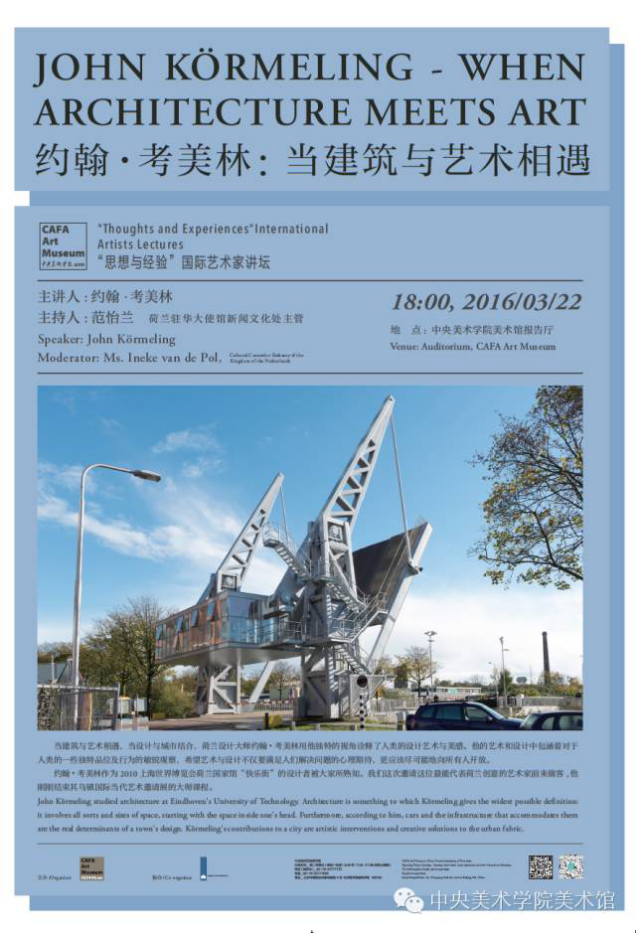
“思想与经验”国际艺术家讲坛
约翰·考美林:当建筑与艺术相遇
主讲人:约翰·考美林
主持人:范怡兰,荷兰驻华大使馆新闻文化处主管
时间:2016年3月22日(周二)18:00 – 19:30
地点:中央美术学院美术馆 学术报告厅
地址:北京市朝阳区花家地南街8号
主办:中央美术学院美术馆
协办:荷兰驻华大使馆
讲座介绍
当建筑与艺术相遇,当设计与城市结合,荷兰设计大师约翰·考美林用他独特的视角诠释了人类的设计艺术与美感。他的艺术和设计中包涵着对于人类的一些独特品位及行为的敏锐观察,希望艺术与设计不仅要满足人们解决问题的心理期待,更应该尽可能地向所有人开放。
约翰·考美林作为2010上海世界博览会荷兰国家馆“快乐街”的设计者被大家所熟知。我们这次邀请这位最能代表荷兰创意的艺术家前来做客,他刚刚结束其乌镇国际当代艺术邀请展的大师课程。
关于艺术家
要想生活得快乐,就得过简单的生活。
——约翰·考美林
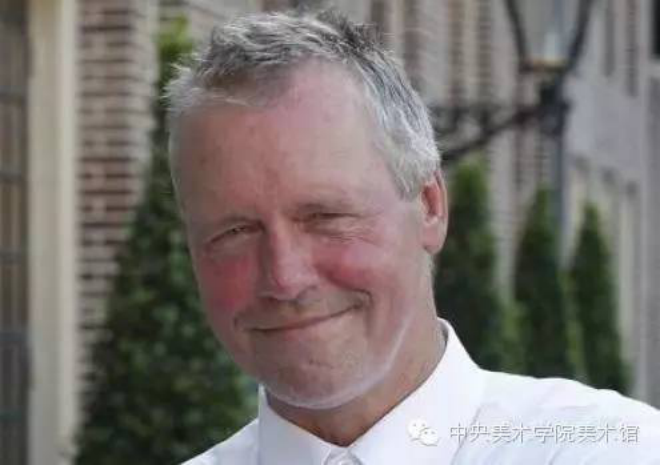
约翰·考美林 1951年生于荷兰埃因霍温,著名建筑家、视觉艺术家、发明家,2010上海世界博览会荷兰国家馆“快乐街”的设计者。约翰·考美林的艺术和设计中包涵着对于人类的一些独特品位及行为的敏锐观察 ,认为艺术与设计不仅要满足人们解决问题的心理期待,更应该尽可能地向所有人开放。
关于作品
| 快乐街 Happy Street / 2010
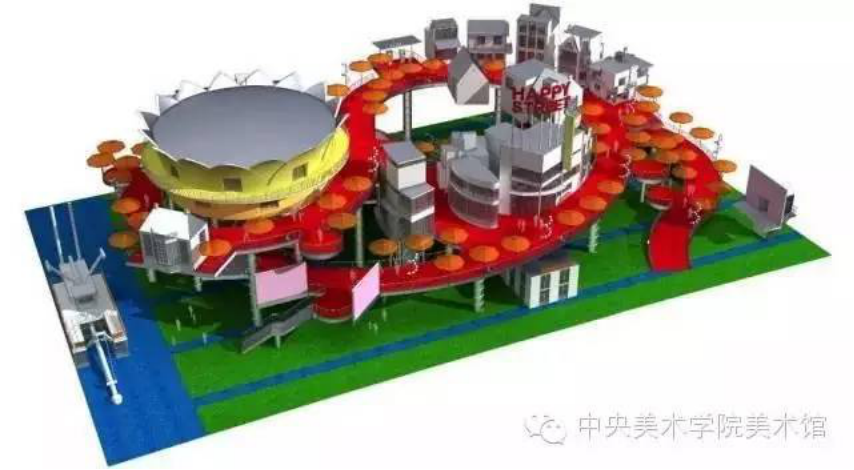
2010年上海世博会荷兰馆“快乐街”是本届展览唯一一个全开放式的国家馆。临街而立的26座微型展馆分别代表着生活区、工作区、工业区等不同城市功能,并以一条长400米、宽5米的“8”字形街道有序贯穿,不仅巧妙地突破了城市规划的现有格局,实现了独立建筑间的自由“对话”,也为观众创造了一个更自由的活动场域。
Happy Street/ 2010
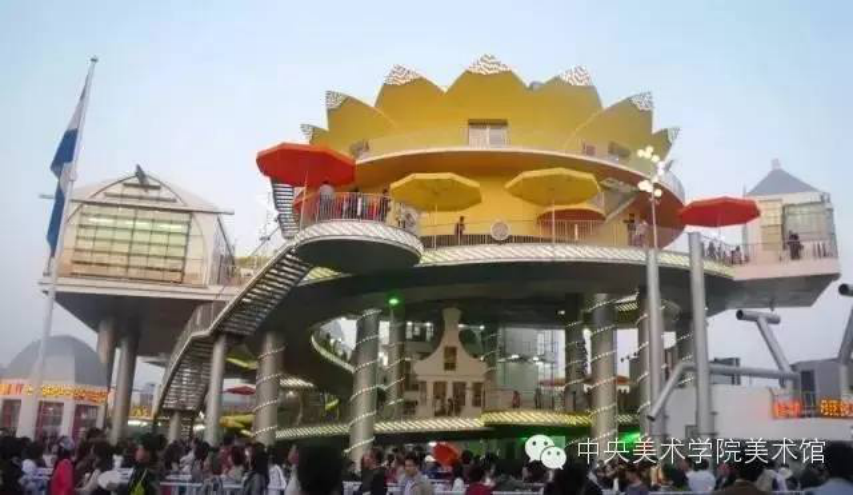 Happy Street / 2010
| 约翰·考美林的作品形式多样,诸如大型灯光雕塑、实物建筑素描、连环画式绘画,用非传统方式解决模型和空间规划等。
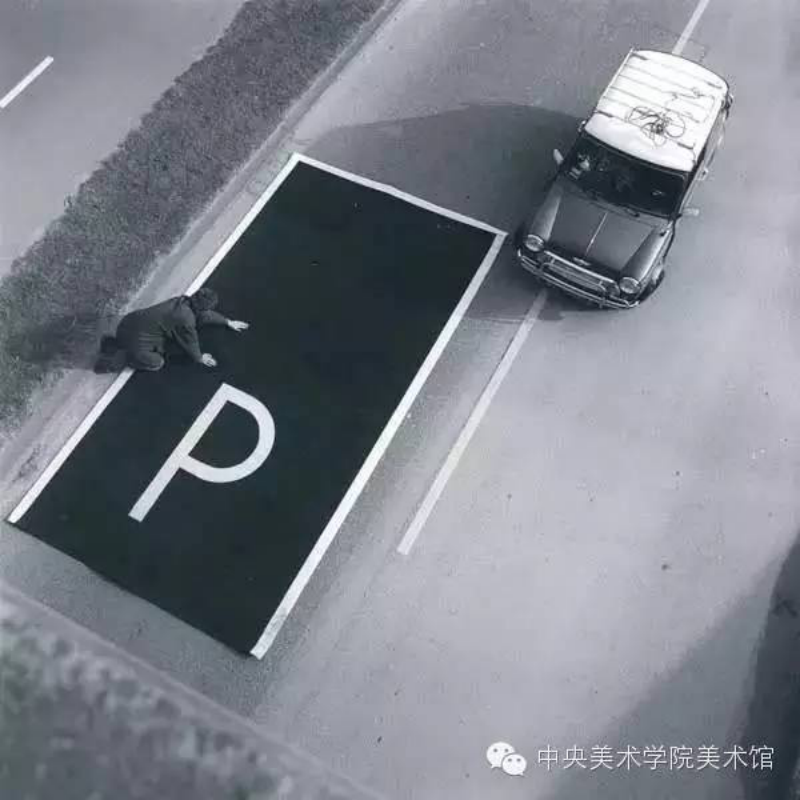 arking Carpet / 1991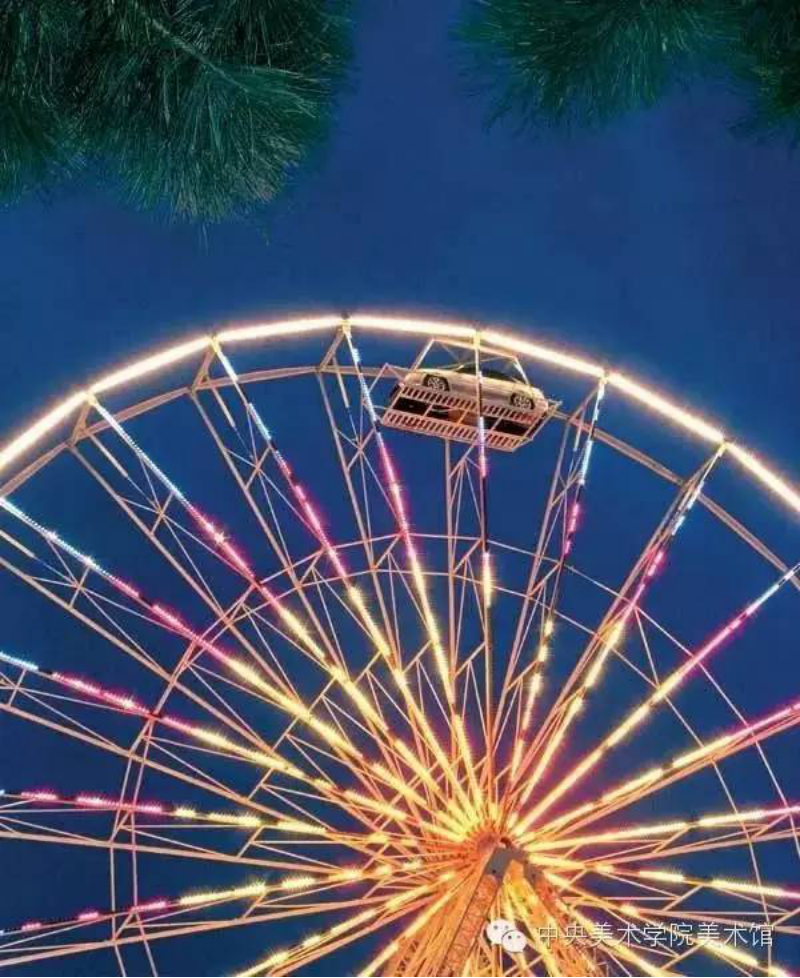
Dirve-in Freeis Wheel / 2000
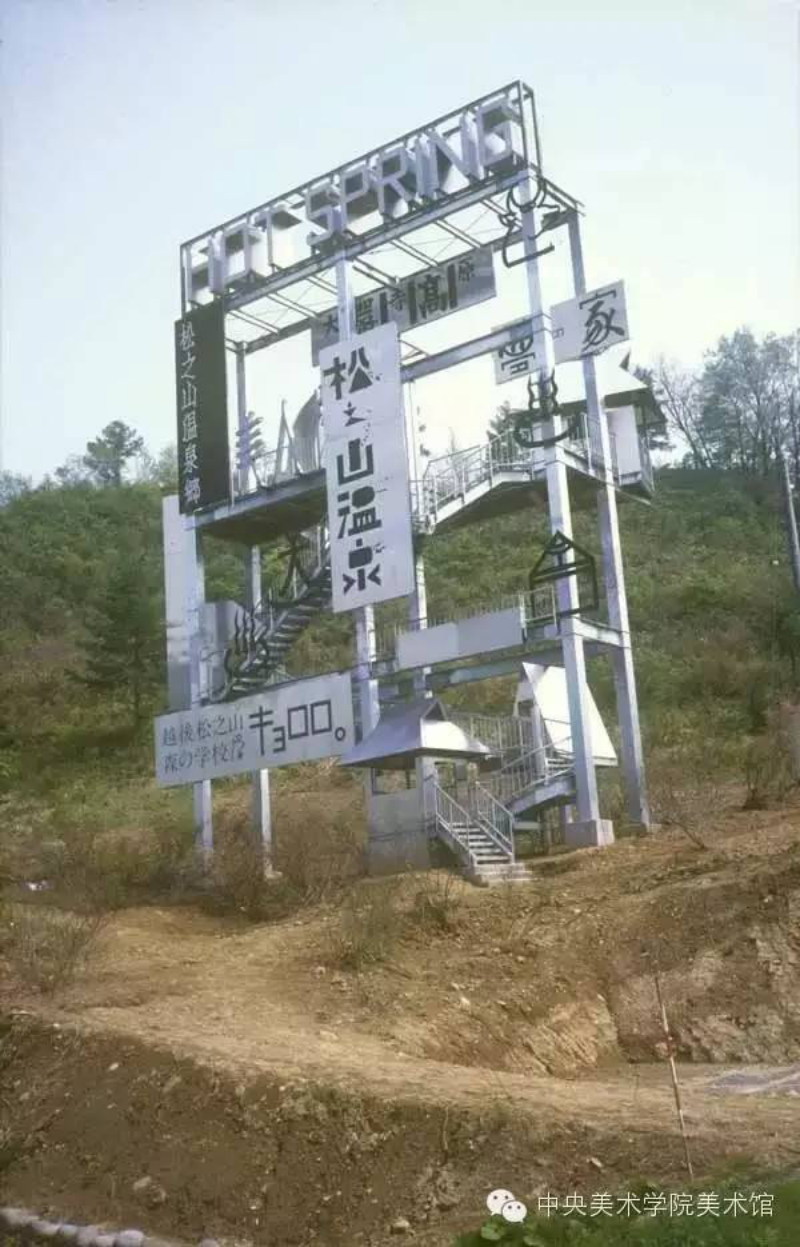
Hot Spring / 2002
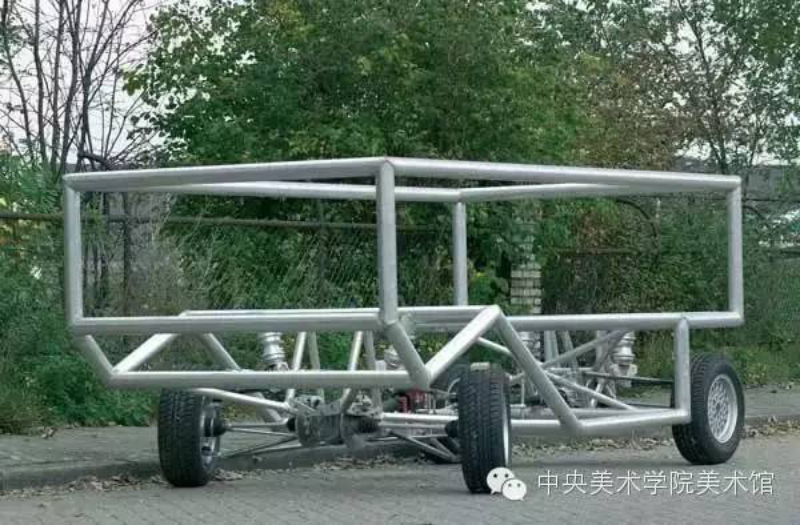 T
T
he New Car / 2002
CAFAM “Thoughts and Experiences”International Artists Lectures-
John Körmeling - When architecture meets art
Speaker: John Körmeling
Moderator: Ms. Ineke van de Pol, Cultural Counselor Embassy of the Kingdom of the Netherlands
Time: 22 March, 2016 18:00 – 19:30
Venue: Auditorium, CAFA Art Museum
Address: No.8, Huajiadi Nan Jie, Chaoyang District, Beijing
Organizer: CAFA Art Museum
Co-organizer: Embassy of the Kingdom of the Netherlands Beijing
About the lecture:
John Körmeling studied architecture at Eindhoven’s University of Technology. Architecture is something to which Körmeling gives the widest possible definition: it involves all sorts and sizes of space, starting with the space inside one’s head. Furthermore, according to him, cars and the infrastructure that accommodates them are the real determinants of a town's design. Körmeling's contributions to a city are artistic interventions and creative solutions to the urban fabric.
About John Körmeling:
John Körmeling studied architecture at Eindhoven’s University of Technology. Visual art, architecture, urban and rural planning, design… - Körmeling's designs and realisations cannot be classified into a single realm of thought. Architecture is something to which Körmeling gives the widest possible definition: it involves all sorts and sizes of space, starting with the space inside one’s head. Furthermore, according to Körmeling, cars and the infrastructure that accommodates them are the real determinants of a town's design. A town has to develop from its intersections; any town that turns its back on its roads becomes a ghost town. Körmeling's contributions to a city are artistic interventions and creative solutions to parking problems and traffic jams. For the Panorama 2000 project, Körmeling developed a ‘drive-in’ wheel for cars. Cars, clamped on the wheel, were lifted 100 feet into the air: no worry about a parking place as the visitor could see the exhibition from the air. Körmeling’s projects, some totally unrealisable, are never stripped of humour.
John Körmeling had solo exhibitions at De Pont, Tilburg (NL) and Van Abbemuseum in Eindhoven (NL). In 2004, Körmeling had a major solo exhibition at the Power Plant in Toronto (CA), for which the notorious drive-in wheel was re-installed. John Körmeling also designed the Dutch Pavillion for the 2010 World Expo in Shanghai (CN). Known as ‘Happy Street’, the pavilion consisted of 26 elevated small buildings, designed after various Dutch architectural styles, along a main pedestrian strip that curves in a figure eight. Each house was a mini pavilion in itself, exploring themes such as energy, water, space and other urban issues to achieve a ‘Better city, Better life’.

2012-02-17
2013-12-09
2013-12-16