Lecture Review of 'Gallery Collection Talks' | Yi Ying: 'German Neo-Expressionism'

1764900146118387.png


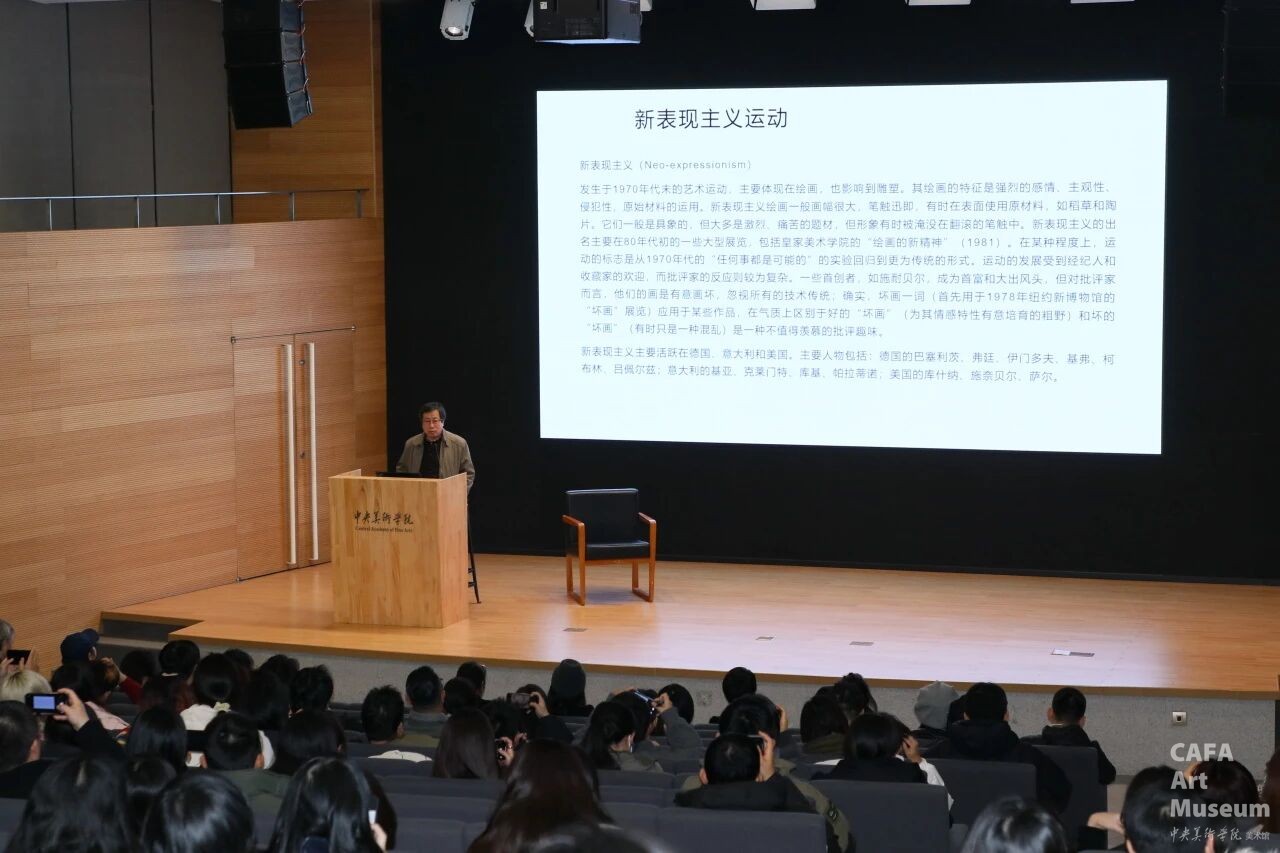
On the afternoon of November 26, 2025, the fourth session of 'Masters in the Collection'—a series of extended academic activities under the exhibition 'Interflowing Artscapes: CAFAM International Exchange Research Exhibition from the Collection'—was held in the Academic Lecture Hall of the Central Academy of Fine Arts Museum. The lecture was delivered by Professor Yi Ying, doctoral supervisor at the Central Academy of Fine Arts and Editor-in-Chief of 'World Fine Arts', with the theme 'German Neo-Expressionism'.


The lecture was hosted by Jin Jun, Director of the Central Academy of Fine Arts Museum. Wang Chunchen, a professor, curator, and art critic at the Central Academy of Fine Arts, delivered the closing remarks. Liu Xiyan, Head of the Planning and Research Department of the Central Academy of Fine Arts Museum, also attended the event. Dr. Hu Xiaohan, co-curator of the exhibition "Interflowing Artscapes", organized and participated in this activity. This lecture was strongly supported by the Graduate School of the Central Academy of Fine Arts and is part of the Graduate School's "Art and Culture" lecture series.

1764900304166864.jpg

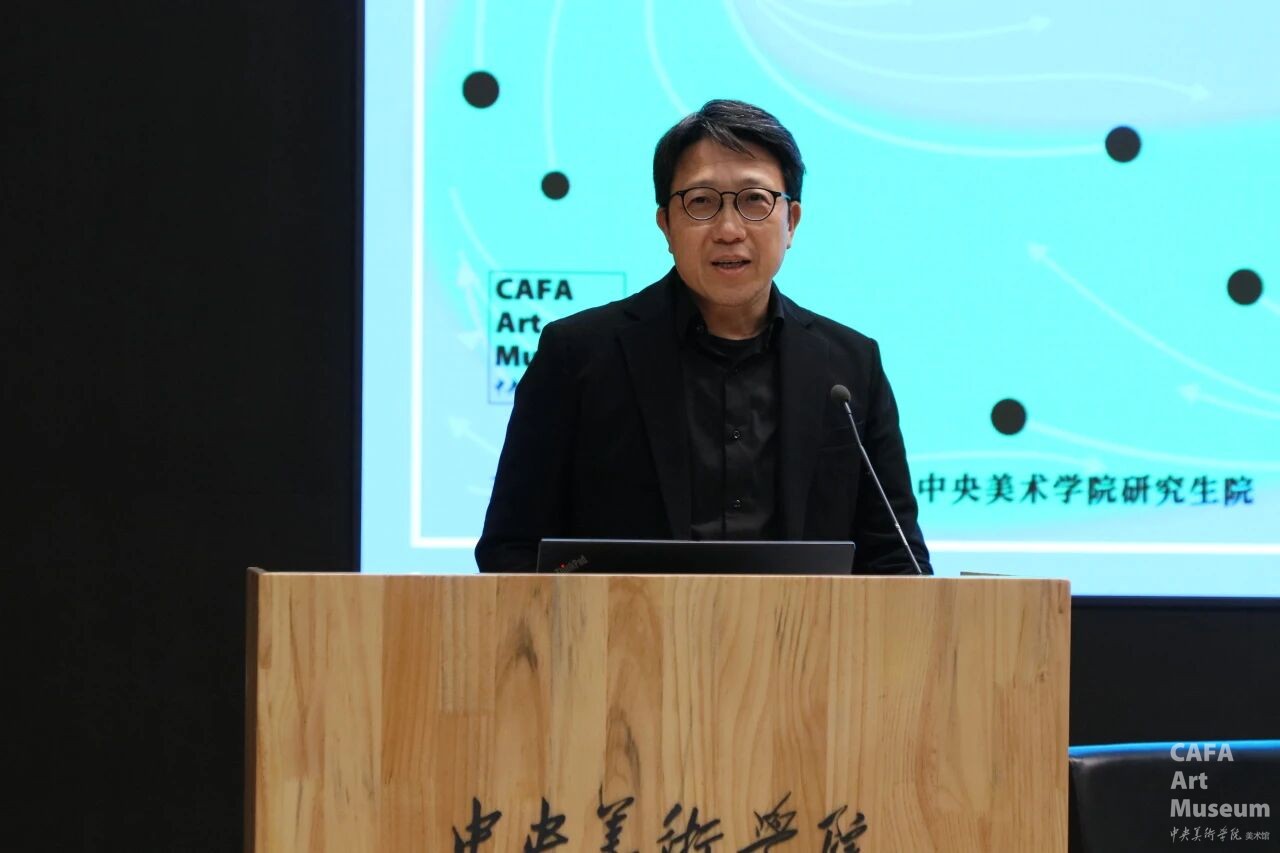
Jin Jun, Director of the National Art Museum of China, presided over the event


Jin Jun first expressed that it is an honor to invite Professor Yi Ying as the keynote speaker for the 'Gallery Masters Talk' series of academic activities of the exhibition 'Interflowing Artscapes: CAFAM International Exchange Research Exhibition from the Collection'. He then grandly introduced Professor Yi Ying's academic achievements and significant status. This lecture, themed 'German Neo-Expressionism', will deeply explore the historical context and contemporary value of works by representative German Neo-Expressionist artists Marcus Lüpertz and A.R. Penck in the museum's collection.


1764900368754263.jpg

Yi Ying, editor-in-chief of 'World Fine Arts' and doctoral supervisor at the Central Academy of Fine Arts, will give the lecture.


Professor Yi Ying starts from the historical roots and social background of German Neo-expressionism, pointing out that Neo-expressionism is an art movement that emerged in the late 1970s, mainly manifested in painting and also influencing sculpture. The characteristics of its paintings include intense emotions, subjectivity, aggressiveness, and the use of raw materials. Neo-expressionist paintings are generally large in scale, with swift brushstrokes, and sometimes raw materials such as straw and ceramic shards are used on the surface. They are mostly figurative, but often deal with intense and painful themes, though the images are sometimes submerged in swirling brushstrokes. Neo-expressionism was primarily active in Germany, Italy, and the United States. Key figures include: from Germany, Baselitz, Fetting, Immodov, Kiefer, Koblisch, Lupertz; from Italy, Chia, Clemente, Cucchi, Paladino; and from the United States, Kushner, Schnabel, Salle.


The rise of German Neo-Expressionism is closely related to the transformation of Germany's politics, economy, and culture from the 1970s to the 1980s. After World War II, Germany was divided into East and West. West Germany, under the influence of the United States, promoted abstract art and conceptual art, while Expressionism, with its German tradition, was suppressed. East Germany, although ideologically committed to Socialist Realism, continued the lineage of Expressionism in terms of style.


Professor Yi Ying emphasized that German Expressionism in history has suffered two 'suppressions': the first was the 'Degenerate Art Exhibition' during the Nazi era, which stigmatized Expressionist works; the second was the permeation of American cultural hegemony after the war, leading German art to lose its indigenous spirit. Therefore, the emergence of Neo-Expressionism is seen as a 'revival' of German artistic traditions, a cultural resistance against 'Americanness' and 'simulacrum'. German Neo-Expressionism emphasizes the 'directness' of creation, meaning starting from the unconscious, instincts, and intuition to break free from formal conventions. Its works are often described as 'bad paintings'—non-professional, anti-technical, and anti-compositional painting methods—that embody a challenge to established aesthetic paradigms.


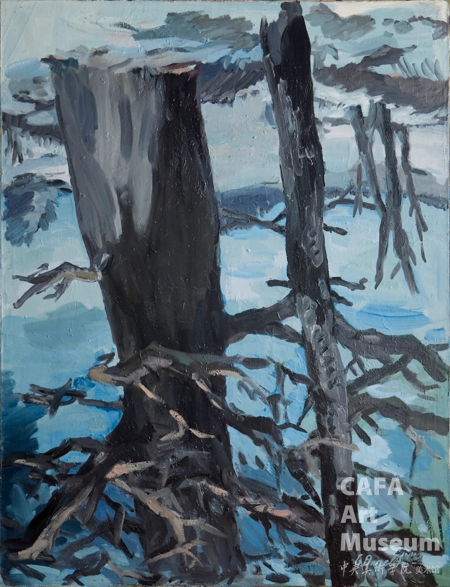
Professor Yi Ying also summarized the critical and theoretical context accompanying German Neo-Expressionism, noting that German Neo-Expressionism was initially propelled into the international spotlight by the art market, and only later did it trigger systematic research in academic circles. The art criticism community often describes its style using concepts such as 'narcissism', 'primitive', and 'anti-form'. However, it is precisely these controversial evaluations that inversely reveal its critical nature and intellectual depth in the process of Germany's cultural reconstruction. Subsequently, Professor Yi Ying introduced the works of several representative Neo-Expressionist artists and conducted a detailed analysis of their creative characteristics and ideological connotations.

https://static.cafamuseum.org/museum-image/image/202512/sy_1764900474953465.png


Professor Yi Ying also summarized the critical and theoretical context accompanying German Neo-Expressionism, noting that German Neo-Expressionism was initially propelled into the international spotlight by the art market, and later sparked systematic research in academic circles. The art criticism community often describes its style using concepts such as 'narcissism', 'primitive', and 'anti-form'. However, it is precisely these controversial evaluations that inversely reveal its critical nature and intellectual depth in the process of German cultural reconstruction. Subsequently, Professor Yi Ying introduced works by several representative Neo-Expressionist artists and conducted a detailed analysis of their creative characteristics and ideological connotations.

1764900505941257.jpg

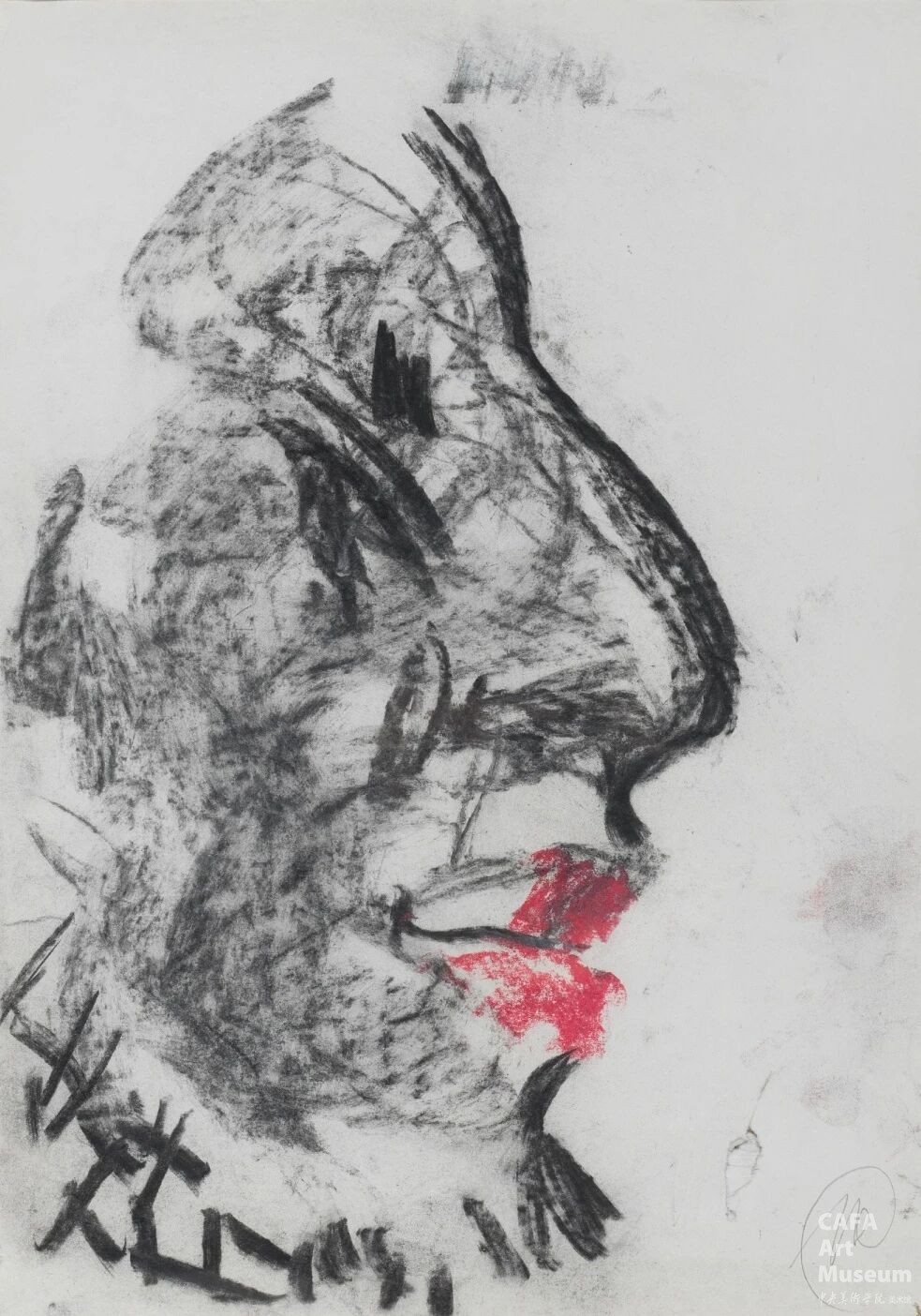
Hercules Sculpture Manuscript, Marcus Lüpertz, 2015, 42×29.5cm, charcoal on paper, collection of the Central Academy of Fine Arts Museum


Professor Yi Ying then introduced Lüpertz and his works, with a focus on analyzing the《Hercules Sculpture Manuscript》collected by the Central Academy of Fine Arts Museum. She pointed out that in this work, Lüpertz appropriates ancient Greek and Roman imagery to consciously connect the history of the Germanic nation with European classical traditions, effectively integrating Germany into the civilizational tradition of Greece and Rome, thereby enhancing the legitimacy and historical depth of its cultural identity. Behind this creative approach lies the reception and reconstruction history of the "noble savage" narrative initiated by Tacitus's《Germania》in modern Germany. Lüpertz fusion of classical themes with modern expressive language not only challenges the aesthetic boundaries between "good art" and "bad art" but also reflects New Expressionism's reconstruction of historical narratives and its ongoing exploration of German cultural identity.

1764900659870984.jpg

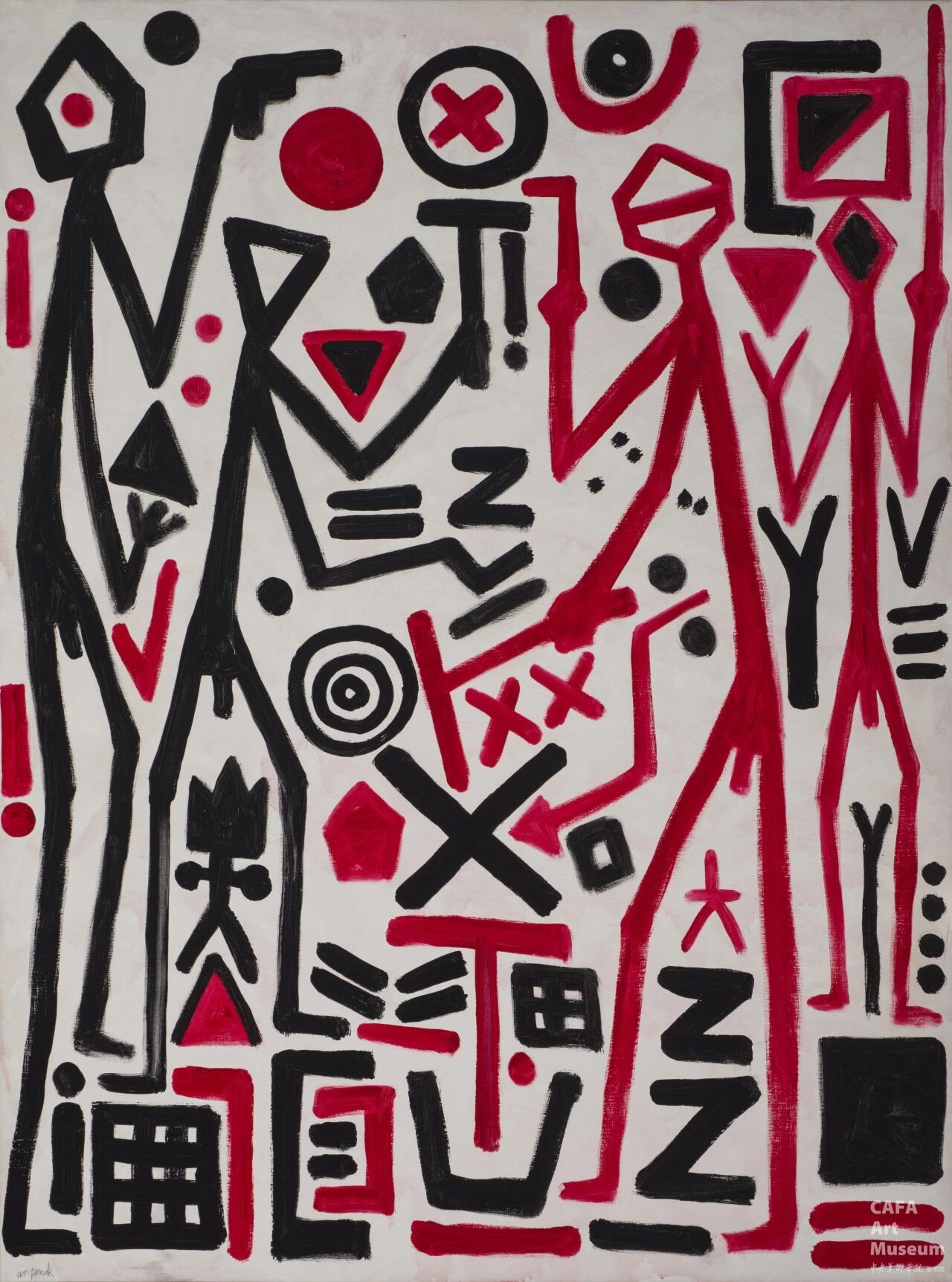
Departure Conditions, A·R·Pengke, 1980s, 159×119cm, Acrylic on Canvas, Collection of the Central Academy of Fine Arts Museum


As an artist who migrated from East Germany to West Germany, A. R. Penck's works encapsulate the ideological tensions of the Cold War era and the pursuit of individual freedom. The Central Academy of Fine Arts Museum's collection, 'Starting Conditions' (1980s, acrylic on canvas), exemplifies his typical style. In the painting, simplified, stick-like symbolic human figures create a scene brimming with primal energy and ritualistic atmosphere. Through highly condensed visual language and striking color contrasts, Penck places themes of human action, communication, and migration within a nearly prehistoric visual context. This not only aligns with his 'directness' artistic philosophy but also metaphorically reflects, against the backdrop of a divided Germany, the individual's longing for freedom and the uncertainty of the unknown.

https://static.cafamuseum.org/museum-image/image/202512/sy_1764900731375920.png

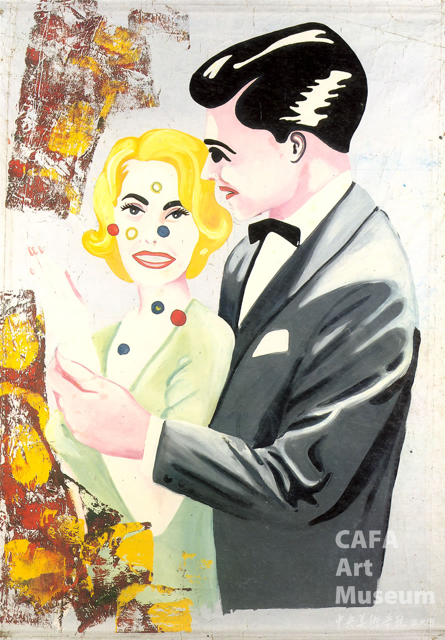
Lover II, Sigmar Polke, 1965, 190 x 142 cm, Acrylic and varnish on canvas


Sigmar Polke stands out uniquely within German Neo-Expressionism, with his work extensively integrating photography, screen printing, and mixed media, showcasing a strong experimental spirit. He often paints on unconventional substrates such as ordinary fabrics and industrial textiles, skillfully employing techniques like halftone dots from newsprint and chemical reactions between pigments and other substances, creating subtle cracks between replication and hand-drawing in the images. His works often obliquely reference Nazi history and post-war German social memory without direct criticism, instead prompting viewers to reflect on historical authenticity and collective responsibility through visual ambiguity and metaphorical materials.

1764900753809226.png

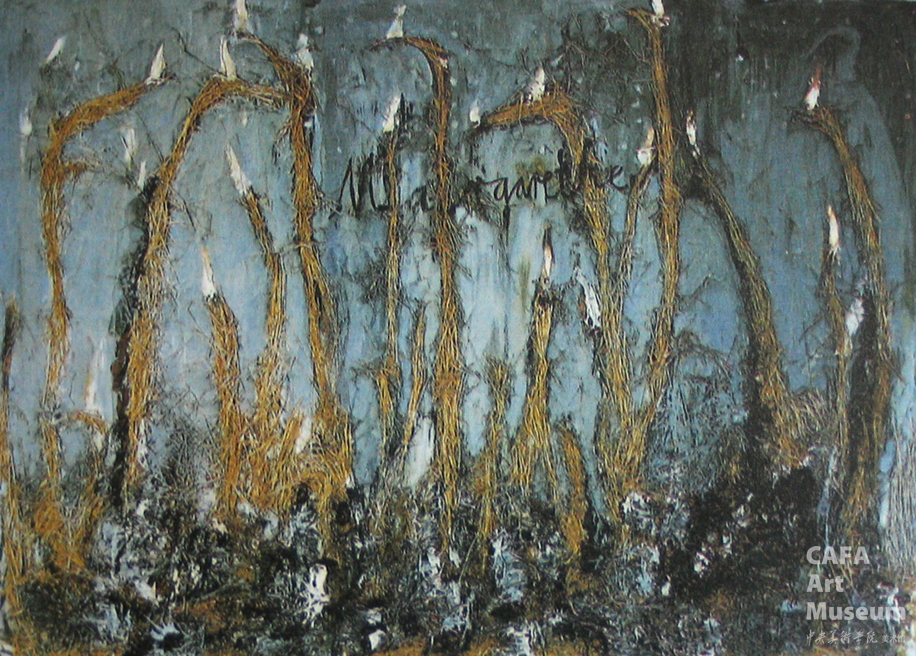
Margaret, Anselm Kiefer, 1981, 290.3×400.8 cm, painting materials, straw, emulsion and silver salt print on linen


Anselm Kiefer is a German Neo-Expressionist artist who is relatively familiar to Chinese audiences. He constructs large-scale paintings and installations using materials such as straw, lead, ash, and books, directly confronting Nazi history, the Holocaust, and the 'original sin' within German culture. His series such as 'Burning Land' and 'Margarete' transform natural landscapes into sites that bear historical trauma, using the decay and rebirth of matter to metaphorically represent the weight of national memory and the possibility of healing. Kiefer's art is not only visually striking but also repeatedly poses profound questions about history, mythology, and the essence of human existence.


1764900849129775.png

German Coffeehouse — Border, Jorg Immendorff, 1977


Jorg Immendorff is renowned for his 'German Coffeehouse' series, which is characterized by strong narrative qualities and political metaphors. His paintings are often as crowded and chaotic as a dramatic stage, filled with symbols from East and West Germany, ideological markers, and personal fantasies. Immendorff frequently worked in a state of dizziness and reverie, causing his images to oscillate between critical realism and surreal imagination. Through recurring symbols such as monkeys, passports, and eagles, he constructed a visual parable about division, power, and identity. It is both a questioning of German history and a profound reflection on the role of art within a political context.


1764900883403351.png

Untitled, Albert Erlin, 1992/2005, 250×210 cm, Acrylic and Oil on Canvas


Martin Kippenberger and Albert Oehlen represent the evolution of Neo-Expressionism in later and contemporary contexts. Kippenberger's work is characterized by a strong 'bad painting' quality and a playful tone, with his pieces concealing sharp critiques of artistic mechanisms and social norms within seemingly casual and rough brushstrokes; whereas Oehlen demonstrates a shift towards new media and computer-generated imagery, incorporating visual logic and color relationships derived from digital generation into his paintings, reflecting Neo-Expressionism's re-examination and expansion of the fundamental language of painting in the technological era.

1764900917253534.jpg

Lecture venue


During the Q&A session, Professor Yi Ying addressed and clarified questions raised by on-site audience members regarding the role of theoretical criticism in art movements and the transnational spread of art trends under the Cold War context. He pointed out that German Neo-Expressionism was driven by artistic practice and market forces first, with theoretical summarization and critical analysis coming later, which differs from its development path in the United States. Additionally, starting from the historical context, Professor Yi analyzed the exchange situation between Chinese and German art during specific historical periods to explain the particularity of the spread of art trends under the Cold War framework, emphasizing the importance of precise historical context analysis when exploring artistic influence.

1764900954344243.jpg

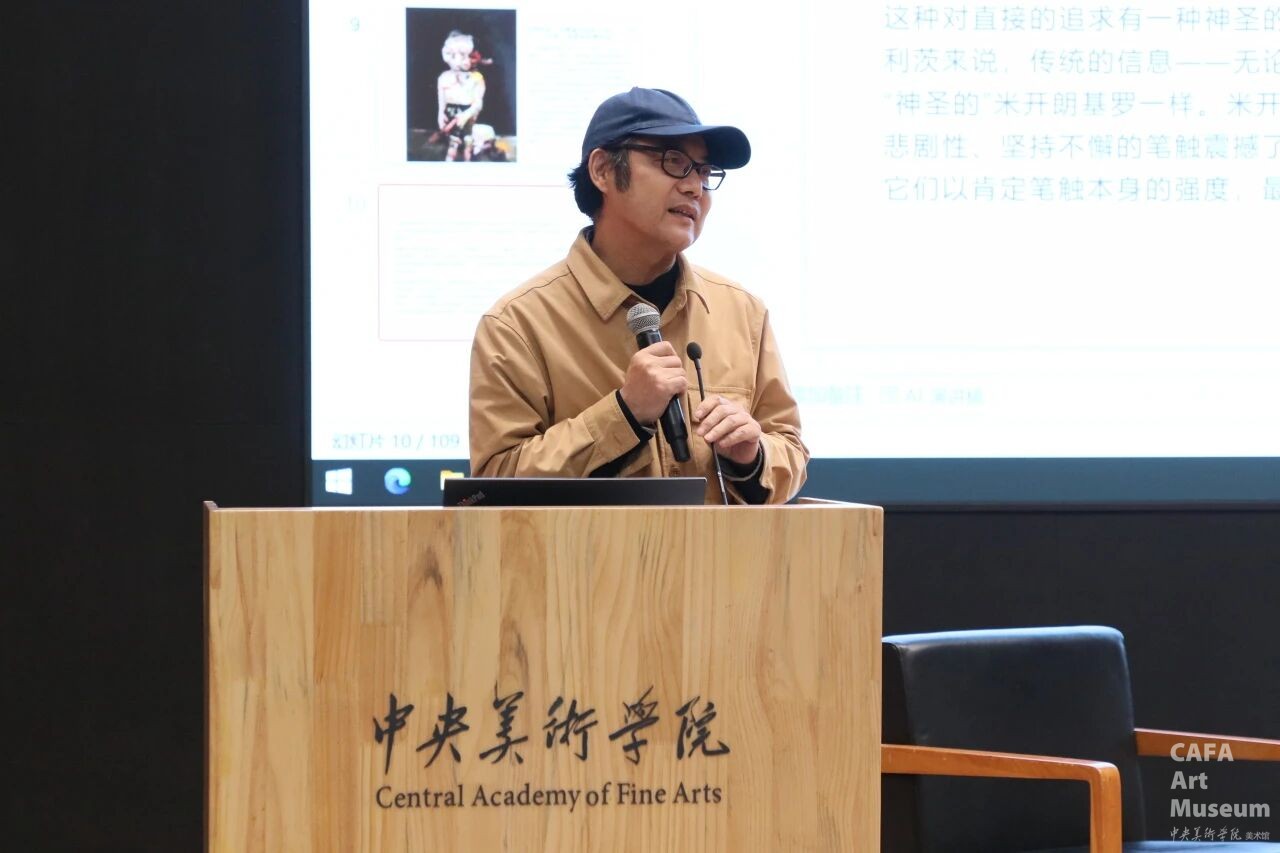
Wang Chunchen, a professor at CAFA, curator, and art critic, made a concluding speech


In his concluding remarks, Professor Wang Chunchen emphasized that Professor Yi Ying's lecture not only systematically sorted out the historical thread of German Neo-Expressionism but also guided the audience to think about its implications for Chinese contemporary painting creation. He pointed out that in today's era when painting is constantly being proclaimed as 'returning', the cultural self-awareness, historical weight, and strong artistic expressiveness demonstrated by German Neo-Expressionism remain an important reference for inspiring artists and students both inside and outside the academy to think about how to make painting regain new vitality and maintain intellectual depth.


Zong Wentian / Written by

1764900997118489.jpg

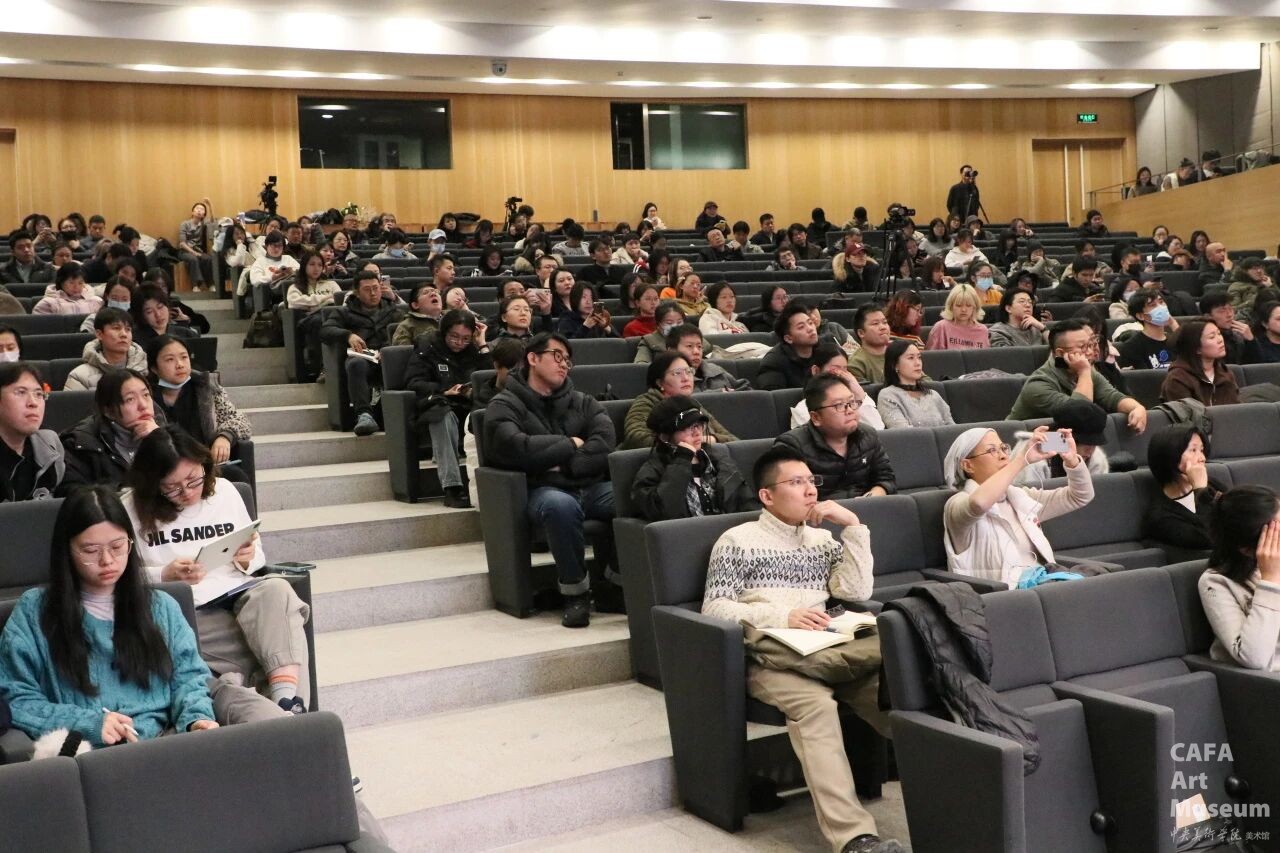
Lecture venue


Related Exhibitions

1764901027580224.jpg

Ministry of Culture and Tourism '2025 National Art Gallery Collection Premium Quality Exhibition Season' Project

Interflowing Artscapes: CAFAM International Exchange Research Exhibition from the Collection


Hosted by: CAFA Arts Museum


Exhibition Time: July 18 - September 3, 2025

Exhibition Location: Hall 3A and Hall 3B, CAFA Arts Museum


Chief Editor / He Yisha

Responsible Editor / Du Yinzhu
Editor / Yan Yuxi

Child Public Education Reservation Form

I agree to the Group Visit Agreement and Statement Please agree to the Group Visit Agreement.
Submit

Adult Public Education Event Reservation Form

I agree to the Group Visit Agreement and Statement Please agree to the Group Visit Agreement.
Sumbit

Group Public Education Event Reservation Form

I agree to the Group Visit Agreement and Statement Please agree to the Group Visit Agreement.
Submit

Group Visit Agreement
and Statement

CAFA Art Museum Publication Authorization Agreement

I fully agree to CAFA Art Museum (CAFAM) submitting to CAFA for publication the images, pictures, texts, writings, and event products (such as works created during participation in workshops) related to me from my participation in public events (including museum member events) organized by the CAFA Art Museum Public Education Department. CAFA can publish these materials by electronic, web, or other digital means, and I hereby agree to be included in the China Knowledge Resource Bank, the CAFA Database, the CAFA Art Museum Database, and related data, documentation, and filing institutions and platforms. Regarding their use in CAFA and dissemination on the internet, I agree to make use of these rights according to the stated Rules.

CAFA Art Museum Event Safety Disclaimer

Article I

This event was organized on the principles of fairness, impartiality, and voluntary participation and withdrawal. Participants undertake all risk and liability for themselves. All events have risks, and participants must be aware of the risks related to their chosen event.

Article II

Event participants must abide by the laws and regulations of the People’s Republic of China, as well as moral and ethical norms. All participants must demonstrate good character, respect for others, friendship, and a willingness to help others.

Article III

Event participants should be adults (people 18 years or older with full civil legal capacity). Underage persons must be accompanied by an adult.

Article IV

Event participants undertake all liability for their personal safety during the event, and event participants are encouraged to purchase personal safety insurance. Should an accident occur during an event, persons not involved in the accident and the museum do not undertake any liability for the accident, but both have the obligation to provide assistance. Event participants should actively organize and implement rescue efforts, but do not undertake any legal or economic liability for the accident itself. The museum does not undertake civil or joint liability for the personal safety of event participants.

Article V

During the event, event participants should respect the order of the museum event and ensure the safety of the museum site, the artworks in displays, exhibitions, and collections, and the derived products. If an event causes any degree of loss or damage to the museum site, space, artworks, or derived products due to an individual, persons not involved in the accident and the museum do not undertake any liability for losses. The event participant must negotiate and provide compensation according to the relevant legal statutes and museum rules. The museum may sue for legal and financial liability.

Article VI

Event participants will participate in the event under the guidance of museum staff and event leaders or instructors and must correctly use the painting tools, materials, equipment, and/or facilities provided for the event. If a participant causes injury or harm to him/herself or others while using the painting tools, materials, equipment, and/or facilities, or causes the damage or destruction of the tools, materials, equipment, and/or facilities, the event participant must undertake all related liability and provide compensation for the financial losses. Persons not involved in the accident and the museum do not undertake any liability for personal accidents.

CAFA Art Museum Portraiture Rights Licensing Agreement

According to The Advertising Law of the People’s Republic of China, The General Principles of the Civil Law of the People’s Republic of China, and The Provisional Opinions of the Supreme People’s Court on Some Issues Related to the Full Implementation of the General Principles of the Civil Law of the People’s Republic of China, and upon friendly negotiation, Party A and Party B have arrived at the following agreement regarding the use of works bearing Party A’s image in order to clarify the rights and obligations of the portrait licenser (Party A) and the user (Party B):

I. General Provisions

(1) Party A is the portraiture rights holder in this agreement. Party A voluntarily licenses its portraiture rights to Party B for the purposes stipulated in this agreement and permitted by law.

(2) Party B (CAFA Art Museum) is a specialized, international modern art museum. CAFA Art Museum keeps pace with the times, and works to create an open, free, and academic space and atmosphere for positive interaction with groups, corporations, institutions, artists, and visitors. With CAFA’s academic research as a foundation, the museum plans multi-disciplinary exhibitions, conferences, and public education events with participants from around the world, providing a platform for exchange, learning, and exhibition for CAFA’s students and instructors, artists from around the world, and the general public. As a public institution, the primary purposes of CAFA Art Museum’s public education events are academic and beneficial to society.

(3) Party B will photograph all CAFA Public Education Department events for Party A.

II. Content, Forms of Use, and Geographical Scope of Use

(1) Content. The content of images taken by Party B bearing Party A’s likeness include: ① CAFA Art Museum ② CAFA campus ③ All events planned or executed by the CAFAM Public Education Department.

(2) Forms of Use. For use in CAFA’s publications, products with CDs, and promotional materials.

(3) Geographical Scope of Use

The applicable geographic scope is global.

The media in which the portraiture may be used encompasses any media that does not infringe upon Party A’s portraiture rights (e.g., magazines and the internet).

III. Term of Portraiture Rights Use

Use in perpetuity.

IV. Licensing Fees

The fees for images bearing Party A’s likeness will be undertaken by Party B.

After completion, Party B does not need to pay any fees to Party A for images bearing Party A’s likeness.

Additional Terms

(1) All matters not discussed in this agreement shall be resolved through friendly negotiation between both parties. Both parties may then sign a supplementary agreement, provided it does not violate any laws or regulations.

(2) This agreement comes into effect on the date that it is signed (sealed) and the relevant boxes are selected by Party A and Party B.

(3) This agreement exists in paper and electronic forms. The paper form is made in duplicate, with Party A and Party B each retaining one copy with the same legal efficacy.

Event participants implicitly accept and undertake all the obligations stated in this agreement. Those who do not consent will be seen as abandoning the right to participate in this event. Before participating in this event, please speak to your family members to obtain their consent and inform them of this disclaimer. After participants sign/check the required box, participants and their families will be seen as having read and agreed to these terms.

I have carefully read and agree to the above provisions.

Group Visit Agreement
and Statement

CAFA Art Museum Publication Authorization Agreement

I fully agree to CAFA Art Museum (CAFAM) submitting to CAFA for publication the images, pictures, texts, writings, and event products (such as works created during participation in workshops) related to me from my participation in public events (including museum member events) organized by the CAFA Art Museum Public Education Department. CAFA can publish these materials by electronic, web, or other digital means, and I hereby agree to be included in the China Knowledge Resource Bank, the CAFA Database, the CAFA Art Museum Database, and related data, documentation, and filing institutions and platforms. Regarding their use in CAFA and dissemination on the internet, I agree to make use of these rights according to the stated Rules.

CAFA Art Museum Event Safety Disclaimer

Article I

This event was organized on the principles of fairness, impartiality, and voluntary participation and withdrawal. Participants undertake all risk and liability for themselves. All events have risks, and participants must be aware of the risks related to their chosen event.

Article II

Event participants must abide by the laws and regulations of the People’s Republic of China, as well as moral and ethical norms. All participants must demonstrate good character, respect for others, friendship, and a willingness to help others.

Article III

Event participants should be adults (people 18 years or older with full civil legal capacity). Underage persons must be accompanied by an adult.

Article IV

Event participants undertake all liability for their personal safety during the event, and event participants are encouraged to purchase personal safety insurance. Should an accident occur during an event, persons not involved in the accident and the museum do not undertake any liability for the accident, but both have the obligation to provide assistance. Event participants should actively organize and implement rescue efforts, but do not undertake any legal or economic liability for the accident itself. The museum does not undertake civil or joint liability for the personal safety of event participants.

Article V

During the event, event participants should respect the order of the museum event and ensure the safety of the museum site, the artworks in displays, exhibitions, and collections, and the derived products. If an event causes any degree of loss or damage to the museum site, space, artworks, or derived products due to an individual, persons not involved in the accident and the museum do not undertake any liability for losses. The event participant must negotiate and provide compensation according to the relevant legal statutes and museum rules. The museum may sue for legal and financial liability.

Article VI

Event participants will participate in the event under the guidance of museum staff and event leaders or instructors and must correctly use the painting tools, materials, equipment, and/or facilities provided for the event. If a participant causes injury or harm to him/herself or others while using the painting tools, materials, equipment, and/or facilities, or causes the damage or destruction of the tools, materials, equipment, and/or facilities, the event participant must undertake all related liability and provide compensation for the financial losses. Persons not involved in the accident and the museum do not undertake any liability for personal accidents.

CAFA Art Museum Portraiture Rights Licensing Agreement

According to The Advertising Law of the People’s Republic of China, The General Principles of the Civil Law of the People’s Republic of China, and The Provisional Opinions of the Supreme People’s Court on Some Issues Related to the Full Implementation of the General Principles of the Civil Law of the People’s Republic of China, and upon friendly negotiation, Party A and Party B have arrived at the following agreement regarding the use of works bearing Party A’s image in order to clarify the rights and obligations of the portrait licenser (Party A) and the user (Party B):

I. General Provisions

(1) Party A is the portraiture rights holder in this agreement. Party A voluntarily licenses its portraiture rights to Party B for the purposes stipulated in this agreement and permitted by law.

(2) Party B (CAFA Art Museum) is a specialized, international modern art museum. CAFA Art Museum keeps pace with the times, and works to create an open, free, and academic space and atmosphere for positive interaction with groups, corporations, institutions, artists, and visitors. With CAFA’s academic research as a foundation, the museum plans multi-disciplinary exhibitions, conferences, and public education events with participants from around the world, providing a platform for exchange, learning, and exhibition for CAFA’s students and instructors, artists from around the world, and the general public. As a public institution, the primary purposes of CAFA Art Museum’s public education events are academic and beneficial to society.

(3) Party B will photograph all CAFA Public Education Department events for Party A.

II. Content, Forms of Use, and Geographical Scope of Use

(1) Content. The content of images taken by Party B bearing Party A’s likeness include: ① CAFA Art Museum ② CAFA campus ③ All events planned or executed by the CAFAM Public Education Department.

(2) Forms of Use. For use in CAFA’s publications, products with CDs, and promotional materials.

(3) Geographical Scope of Use

The applicable geographic scope is global.

The media in which the portraiture may be used encompasses any media that does not infringe upon Party A’s portraiture rights (e.g., magazines and the internet).

III. Term of Portraiture Rights Use

Use in perpetuity.

IV. Licensing Fees

The fees for images bearing Party A’s likeness will be undertaken by Party B.

After completion, Party B does not need to pay any fees to Party A for images bearing Party A’s likeness.

Additional Terms

(1) All matters not discussed in this agreement shall be resolved through friendly negotiation between both parties. Both parties may then sign a supplementary agreement, provided it does not violate any laws or regulations.

(2) This agreement comes into effect on the date that it is signed (sealed) and the relevant boxes are selected by Party A and Party B.

(3) This agreement exists in paper and electronic forms. The paper form is made in duplicate, with Party A and Party B each retaining one copy with the same legal efficacy.

Event participants implicitly accept and undertake all the obligations stated in this agreement. Those who do not consent will be seen as abandoning the right to participate in this event. Before participating in this event, please speak to your family members to obtain their consent and inform them of this disclaimer. After participants sign/check the required box, participants and their families will be seen as having read and agreed to these terms.

I have carefully read and agree to the above provisions.

Group Visit Agreement
and Statement

CAFA Art Museum Publication Authorization Agreement

I fully agree to CAFA Art Museum (CAFAM) submitting to CAFA for publication the images, pictures, texts, writings, and event products (such as works created during participation in workshops) related to me from my participation in public events (including museum member events) organized by the CAFA Art Museum Public Education Department. CAFA can publish these materials by electronic, web, or other digital means, and I hereby agree to be included in the China Knowledge Resource Bank, the CAFA Database, the CAFA Art Museum Database, and related data, documentation, and filing institutions and platforms. Regarding their use in CAFA and dissemination on the internet, I agree to make use of these rights according to the stated Rules.

CAFA Art Museum Event Safety Disclaimer

Article I

This event was organized on the principles of fairness, impartiality, and voluntary participation and withdrawal. Participants undertake all risk and liability for themselves. All events have risks, and participants must be aware of the risks related to their chosen event.

Article II

Event participants must abide by the laws and regulations of the People’s Republic of China, as well as moral and ethical norms. All participants must demonstrate good character, respect for others, friendship, and a willingness to help others.

Article III

Event participants should be adults (people 18 years or older with full civil legal capacity). Underage persons must be accompanied by an adult.

Article IV

Event participants undertake all liability for their personal safety during the event, and event participants are encouraged to purchase personal safety insurance. Should an accident occur during an event, persons not involved in the accident and the museum do not undertake any liability for the accident, but both have the obligation to provide assistance. Event participants should actively organize and implement rescue efforts, but do not undertake any legal or economic liability for the accident itself. The museum does not undertake civil or joint liability for the personal safety of event participants.

Article V

During the event, event participants should respect the order of the museum event and ensure the safety of the museum site, the artworks in displays, exhibitions, and collections, and the derived products. If an event causes any degree of loss or damage to the museum site, space, artworks, or derived products due to an individual, persons not involved in the accident and the museum do not undertake any liability for losses. The event participant must negotiate and provide compensation according to the relevant legal statutes and museum rules. The museum may sue for legal and financial liability.

Article VI

Event participants will participate in the event under the guidance of museum staff and event leaders or instructors and must correctly use the painting tools, materials, equipment, and/or facilities provided for the event. If a participant causes injury or harm to him/herself or others while using the painting tools, materials, equipment, and/or facilities, or causes the damage or destruction of the tools, materials, equipment, and/or facilities, the event participant must undertake all related liability and provide compensation for the financial losses. Persons not involved in the accident and the museum do not undertake any liability for personal accidents.

CAFA Art Museum Portraiture Rights Licensing Agreement

According to The Advertising Law of the People’s Republic of China, The General Principles of the Civil Law of the People’s Republic of China, and The Provisional Opinions of the Supreme People’s Court on Some Issues Related to the Full Implementation of the General Principles of the Civil Law of the People’s Republic of China, and upon friendly negotiation, Party A and Party B have arrived at the following agreement regarding the use of works bearing Party A’s image in order to clarify the rights and obligations of the portrait licenser (Party A) and the user (Party B):

I. General Provisions

(1) Party A is the portraiture rights holder in this agreement. Party A voluntarily licenses its portraiture rights to Party B for the purposes stipulated in this agreement and permitted by law.

(2) Party B (CAFA Art Museum) is a specialized, international modern art museum. CAFA Art Museum keeps pace with the times, and works to create an open, free, and academic space and atmosphere for positive interaction with groups, corporations, institutions, artists, and visitors. With CAFA’s academic research as a foundation, the museum plans multi-disciplinary exhibitions, conferences, and public education events with participants from around the world, providing a platform for exchange, learning, and exhibition for CAFA’s students and instructors, artists from around the world, and the general public. As a public institution, the primary purposes of CAFA Art Museum’s public education events are academic and beneficial to society.

(3) Party B will photograph all CAFA Public Education Department events for Party A.

II. Content, Forms of Use, and Geographical Scope of Use

(1) Content. The content of images taken by Party B bearing Party A’s likeness include: ① CAFA Art Museum ② CAFA campus ③ All events planned or executed by the CAFAM Public Education Department.

(2) Forms of Use. For use in CAFA’s publications, products with CDs, and promotional materials.

(3) Geographical Scope of Use

The applicable geographic scope is global.

The media in which the portraiture may be used encompasses any media that does not infringe upon Party A’s portraiture rights (e.g., magazines and the internet).

III. Term of Portraiture Rights Use

Use in perpetuity.

IV. Licensing Fees

The fees for images bearing Party A’s likeness will be undertaken by Party B.

After completion, Party B does not need to pay any fees to Party A for images bearing Party A’s likeness.

Additional Terms

(1) All matters not discussed in this agreement shall be resolved through friendly negotiation between both parties. Both parties may then sign a supplementary agreement, provided it does not violate any laws or regulations.

(2) This agreement comes into effect on the date that it is signed (sealed) and the relevant boxes are selected by Party A and Party B.

(3) This agreement exists in paper and electronic forms. The paper form is made in duplicate, with Party A and Party B each retaining one copy with the same legal efficacy.

Event participants implicitly accept and undertake all the obligations stated in this agreement. Those who do not consent will be seen as abandoning the right to participate in this event. Before participating in this event, please speak to your family members to obtain their consent and inform them of this disclaimer. After participants sign/check the required box, participants and their families will be seen as having read and agreed to these terms.

I have carefully read and agree to the above provisions.

Event Booking Form

Name:
Gender
Phone:
Valid Certificate: Identity Card
ID Number:
Email:

Reminder:

Hello! Thank you for participating in our public education event and we are looking forward to seeing you! If you cannot attend the event on time, please send a text message to 13261936837 (Liang) to cancel the booking. Please be aware that your eligibility for using the quick booking may be affected If you cancel the booking more than three times. Thank you for your understanding!
Quick loginAccount login
  • Mobile phone number will be your login ID
  •  
Use Artron membership to login