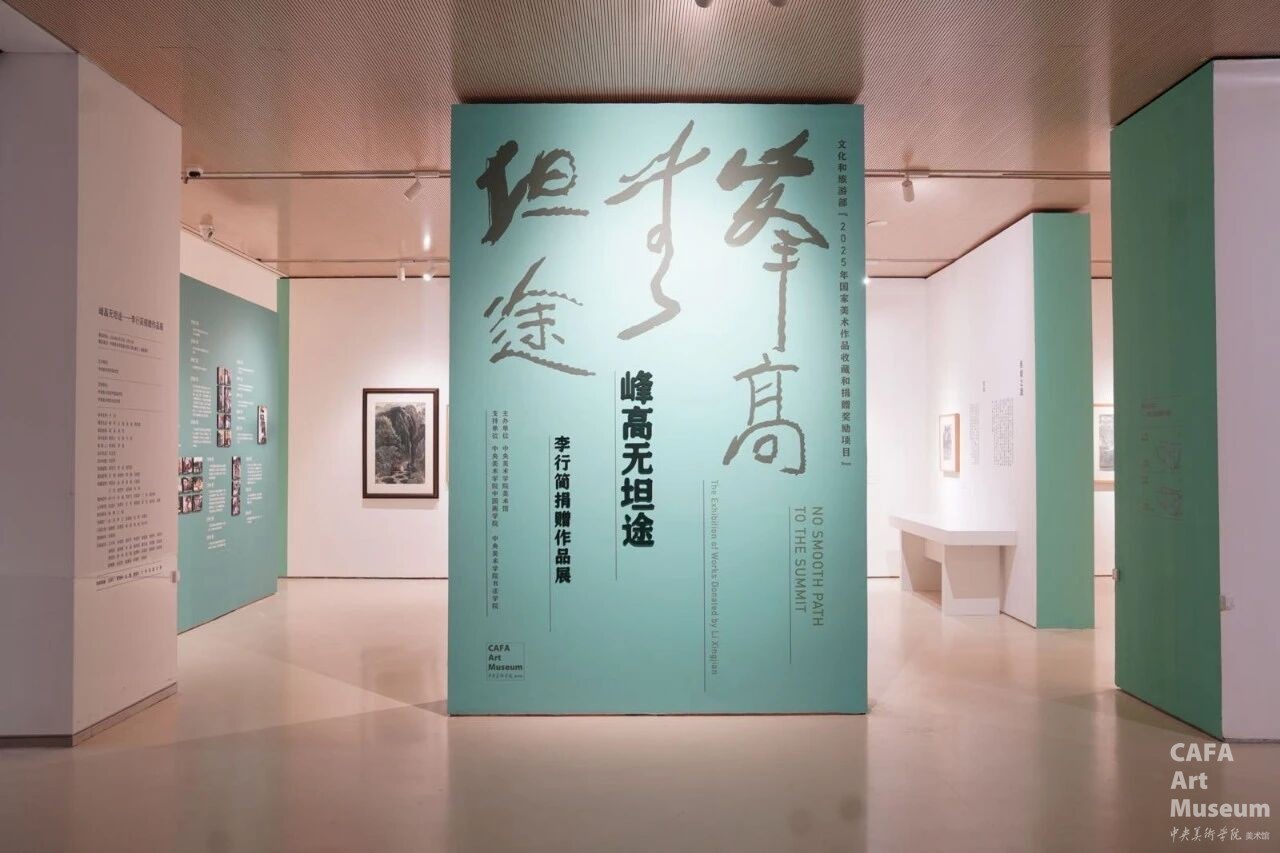
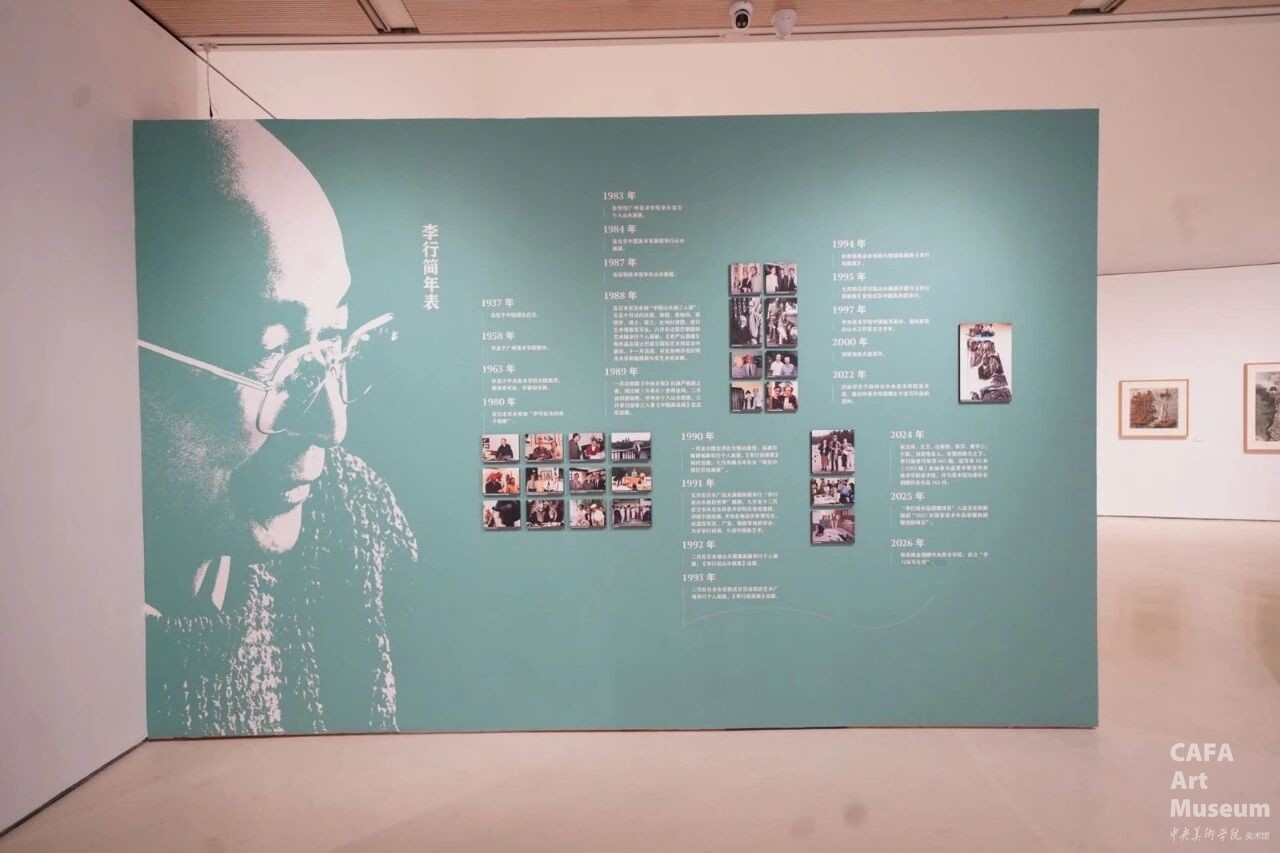
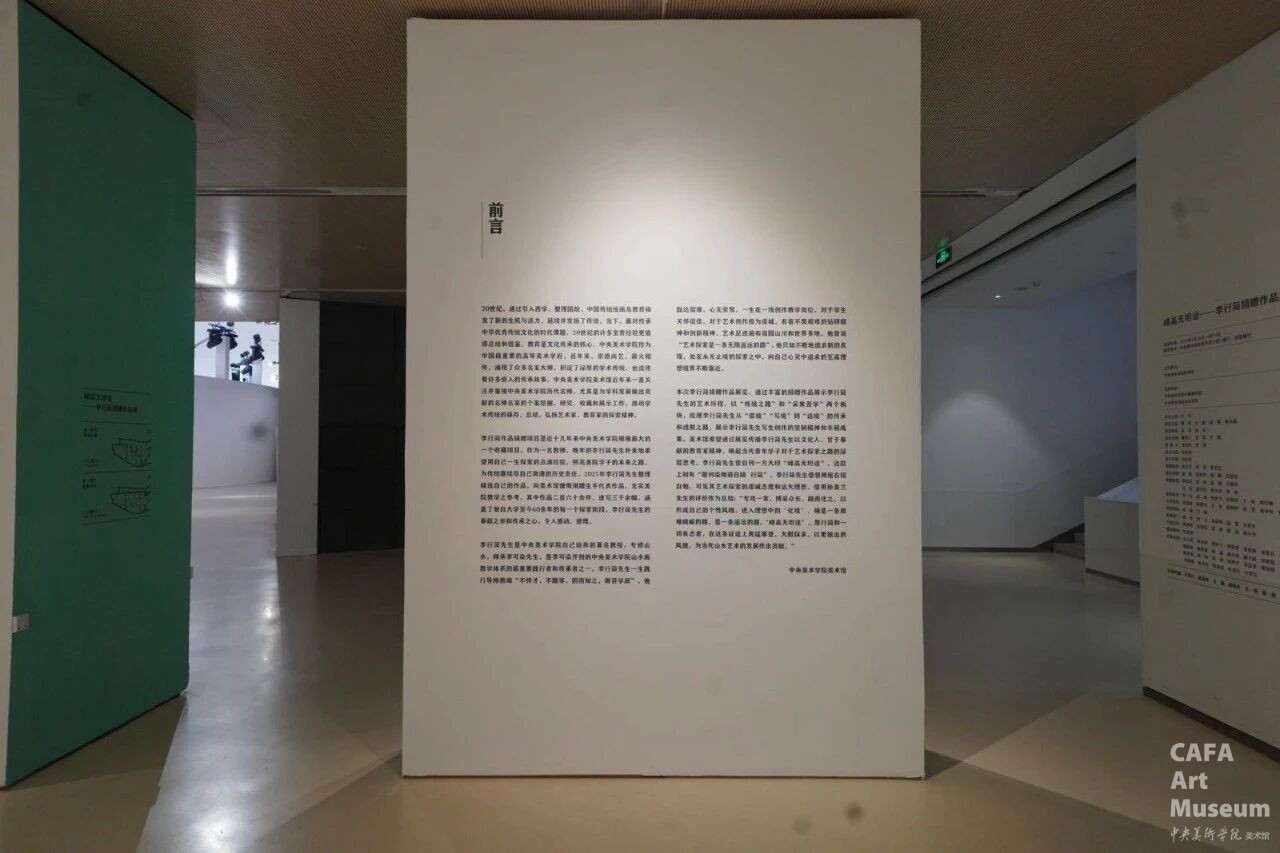
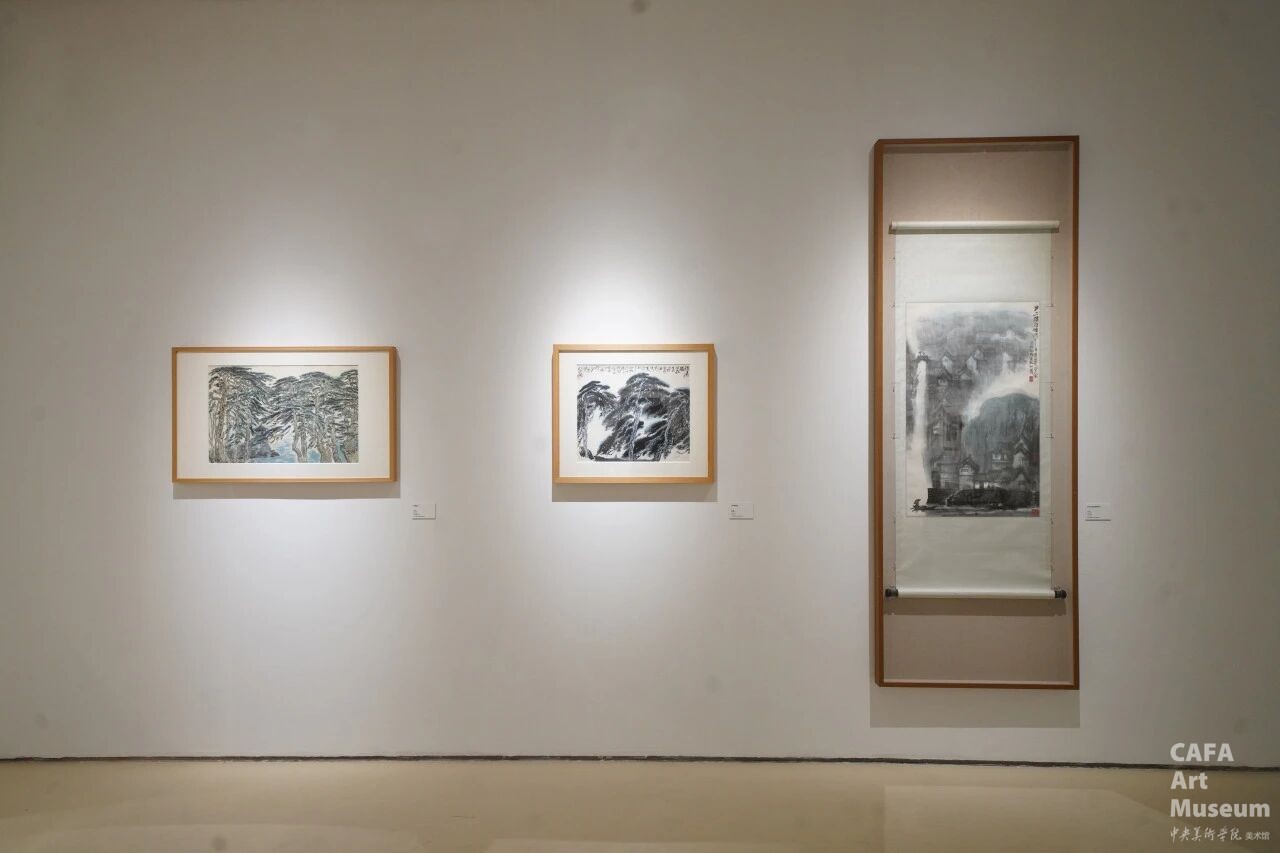
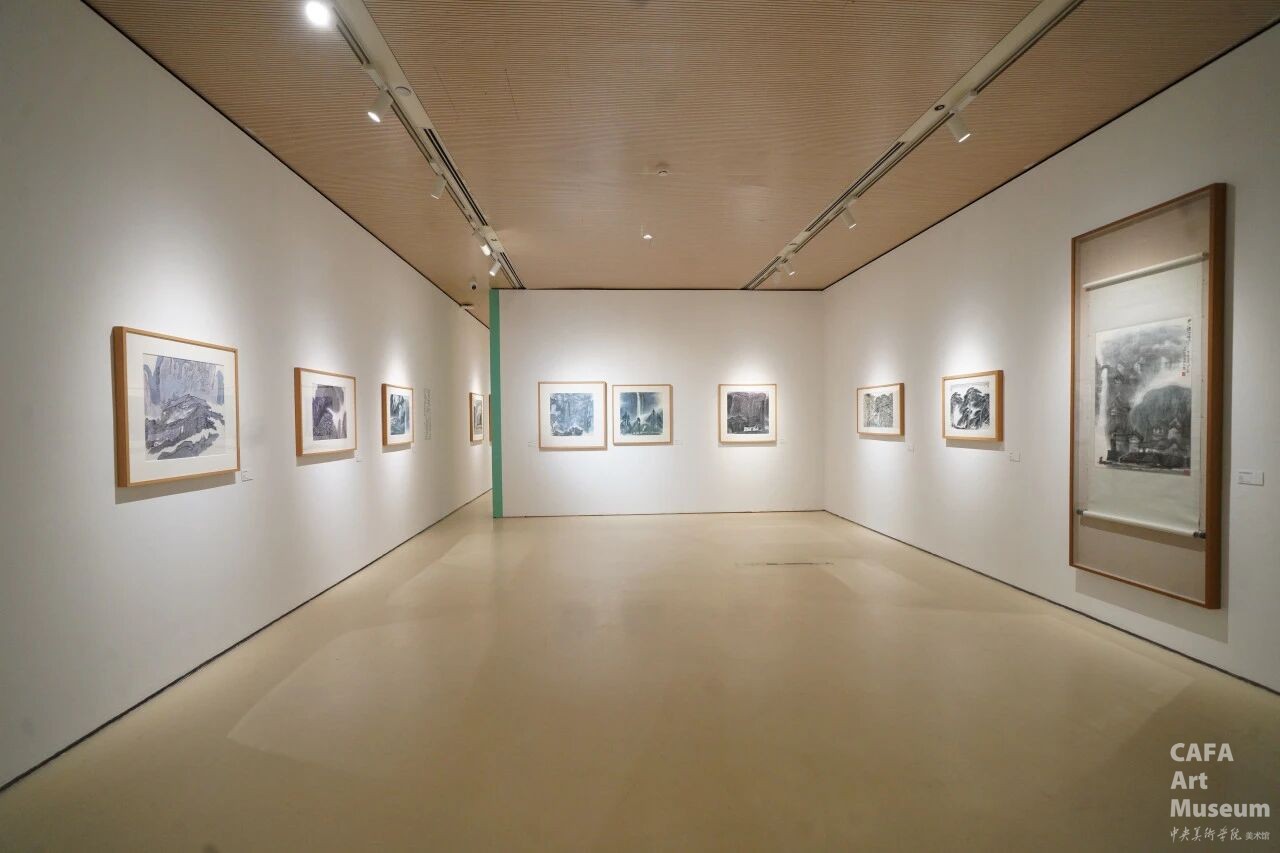
At the exhibition "No Smooth Paths To The Summit – Donated Works by Li Xingjian", the audience is invariably captivated by the magnificent, profound and lushly beautiful landscape paintings created by Li Xingjian. Faced with such a pinnacle of art, one cannot help but wonder: where exactly did this journey of artistic ascent begin?
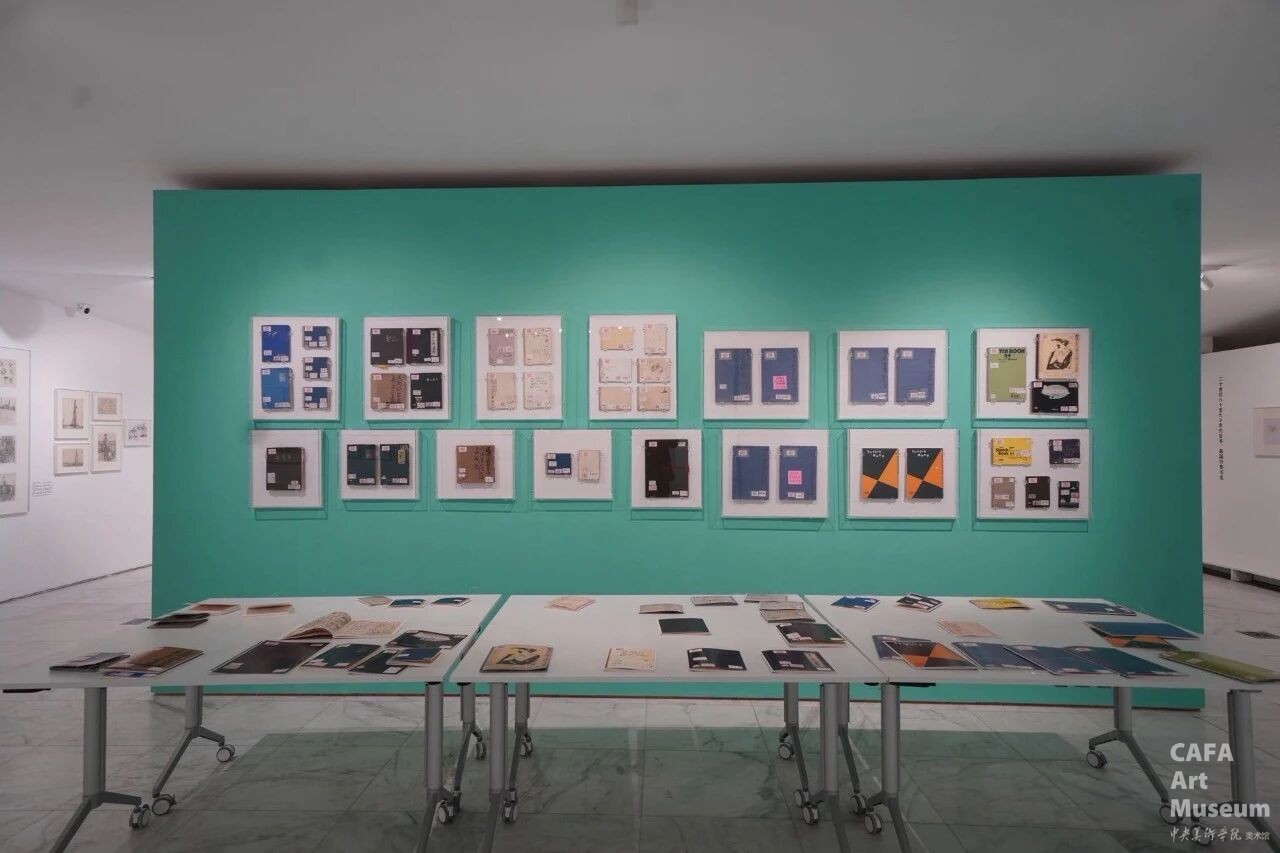
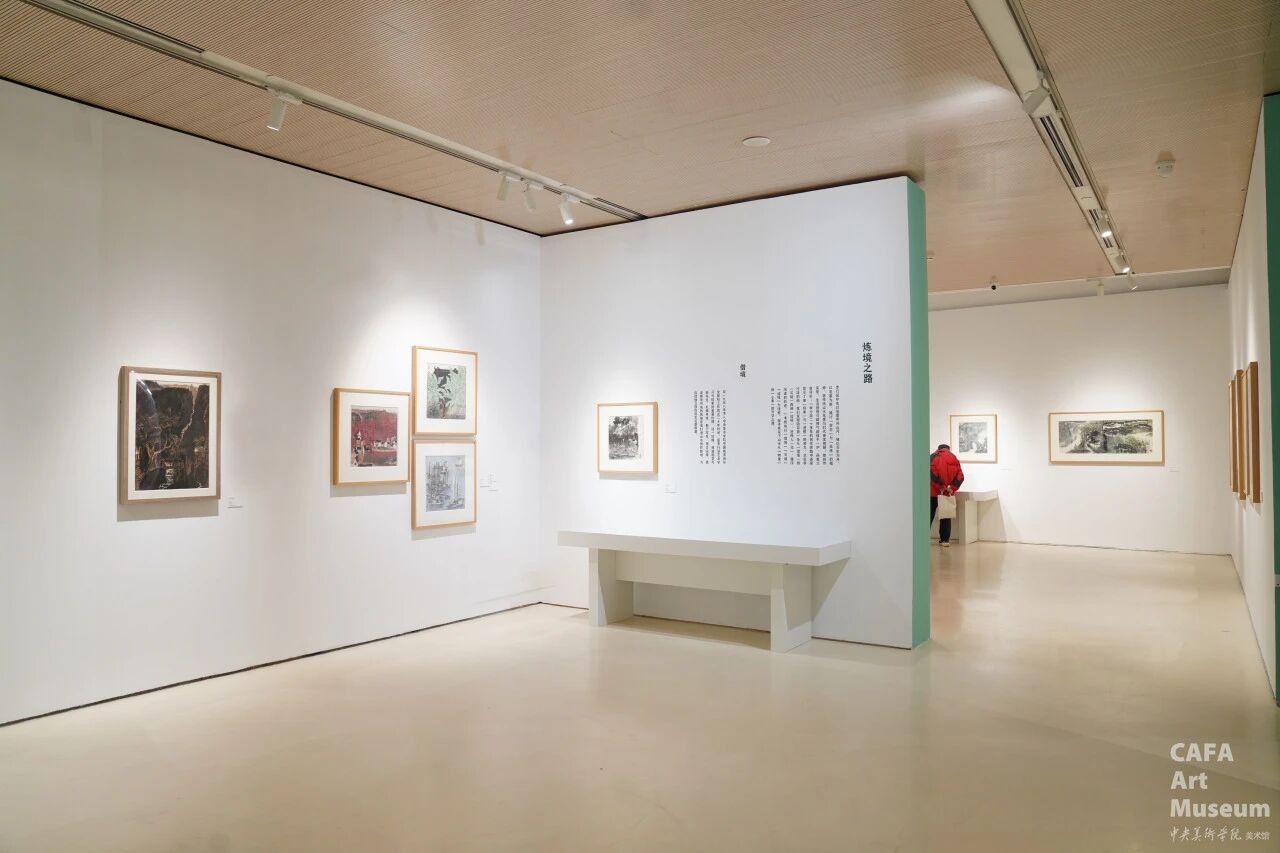
The answer lies in his plain and unadorned academic philosophy. Li Xingjian is not only an accomplished painter but also an art educator who has devoted himself to teaching for years. In his essay The Key Is to Lay a Solid Foundation, he sets aside the glory of his creative achievements and points directly to the core essence of learning Chinese painting. Drawing from his own artistic practice and the teachings of Mr. Li Keran, he clearly lays out the "steps" to mastery without reservation: he advocates taking sketch training as the scientific foundation for modeling and thinking; emphasizes exploring the profound tradition through copying without being confined to rigid formulas; points out that sketching from life is the only way to "learn from nature" and develop a personal artistic language; and further promotes the principle of "selecting one and refining it tenfold" in creation, advocating relentless refinement and perfection.
The key Is To Lay A Solid Foundation
Li Xingjian
March 2003
≒ ≒ ≒ ≒ ≒ ≒ ≒ ≒ ≒ ≒ ≒ ≒
I. I advocate learning sketching
≒ ≒ ≒ ≒ ≒ ≒ ≒ ≒ ≒ ≒ ≒ ≒
Sketching is the foundation of all plastic arts, which goes without saying for departments such as oil painting, printmaking and sculpture. However, there has been considerable disagreement over the years as to whether the Chinese Painting Department should take sketching as the basis of modeling. During my school years (1958-1963), students in the Chinese Painting Department did not study sketching, but later the department began to offer sketching courses to improve students' modeling abilities.
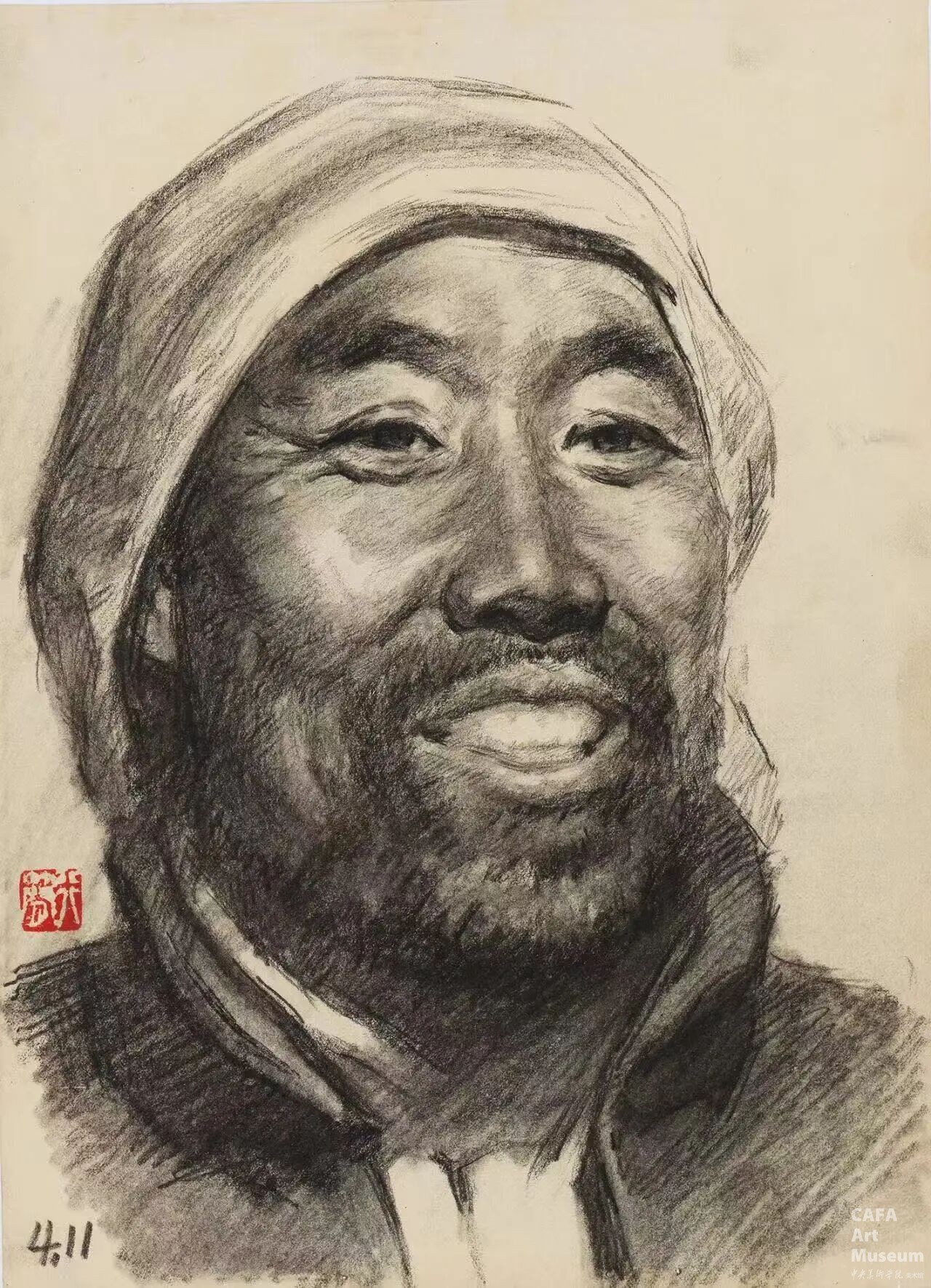
"The Joyful Old Farmer" by Li Xingjian, 1972, pencil on paper, 26×19 cm, collected by CAFA Art Museum
Mr. Li Keran strongly advocated that students of traditional Chinese painting should lay a solid foundation in sketch. His artistic practice has proved that profound basic sketch skills provided favorable conditions for his innovative development of Chinese landscape painting. He said more than once: "If possible, I would study sketch for another ten years."
Teaching sketching is not merely a training in painting skills, but also a scientific training in thinking. It helps students develop a keen ability to observe and capture the subtle characteristics of subjects; to depict objects with precision; and to achieve "refinement in detail and breadth in vision"—the ability to delve deeply into details while maintaining a grasp of the whole. All these can only be attained through long-term and rigorous sketching training.
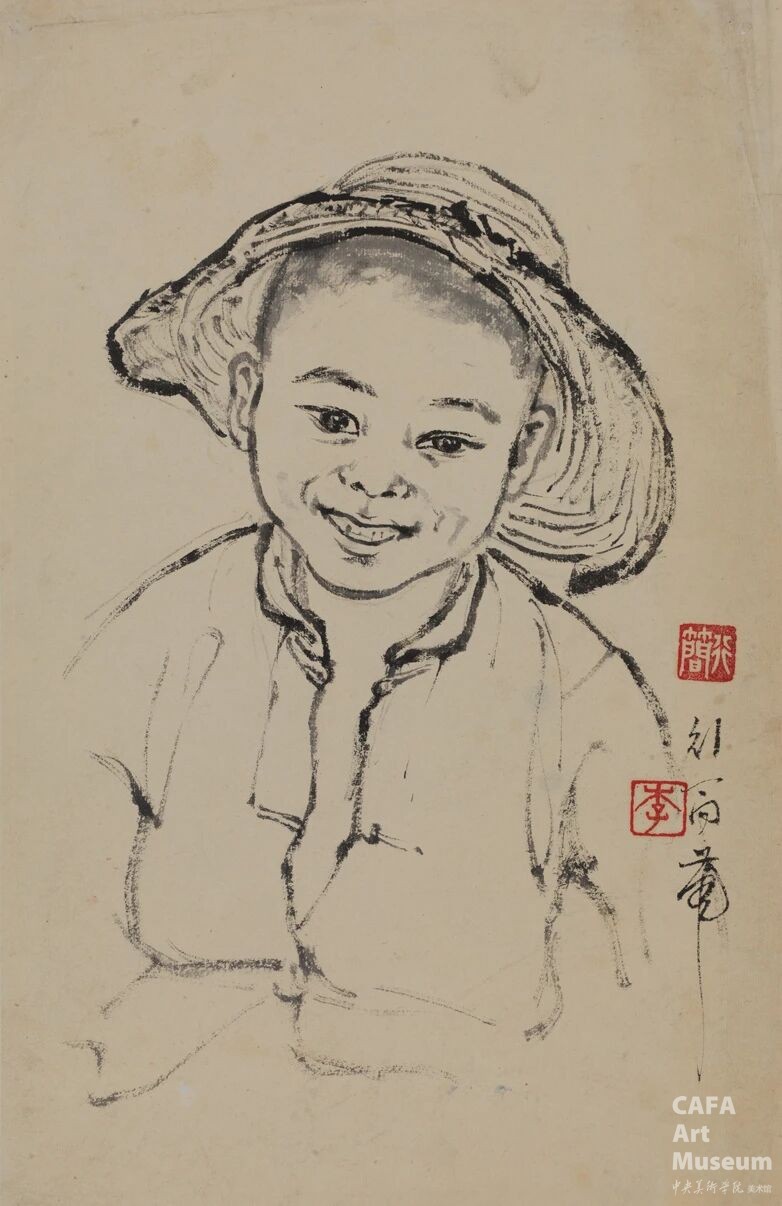
Sketch of a Boy Wearing a Straw Hat, Li Xingjian, 1958, Ink on paper, 33×22 cm, Collection of CAFA Art Museum
≒ ≒ ≒ ≒ ≒ ≒ ≒ ≒ ≒ ≒ ≒ ≒ ≒ ≒ ≒
II. Learning from Tradition is Indispensable
≒ ≒ ≒ ≒ ≒ ≒ ≒ ≒ ≒ ≒ ≒ ≒ ≒ ≒ ≒
The art of any nation develops and innovates continuously on the basis of inheriting its traditions. China's distinguished painting tradition is like an ever-flowing river.
Copying classes are a vital part of learning tradition. Ancient artists advocated "studying all the famous masterpieces under heaven". In the teaching of copying, students should be arranged to appreciate, research and analyze the works of past masters as extensively as possible. This can broaden their vision and deepen their perceptual understanding of traditional Chinese painting. Meanwhile, selected traditional painting theories should also be explained and analyzed to enhance students' comprehension of traditional Chinese painting.
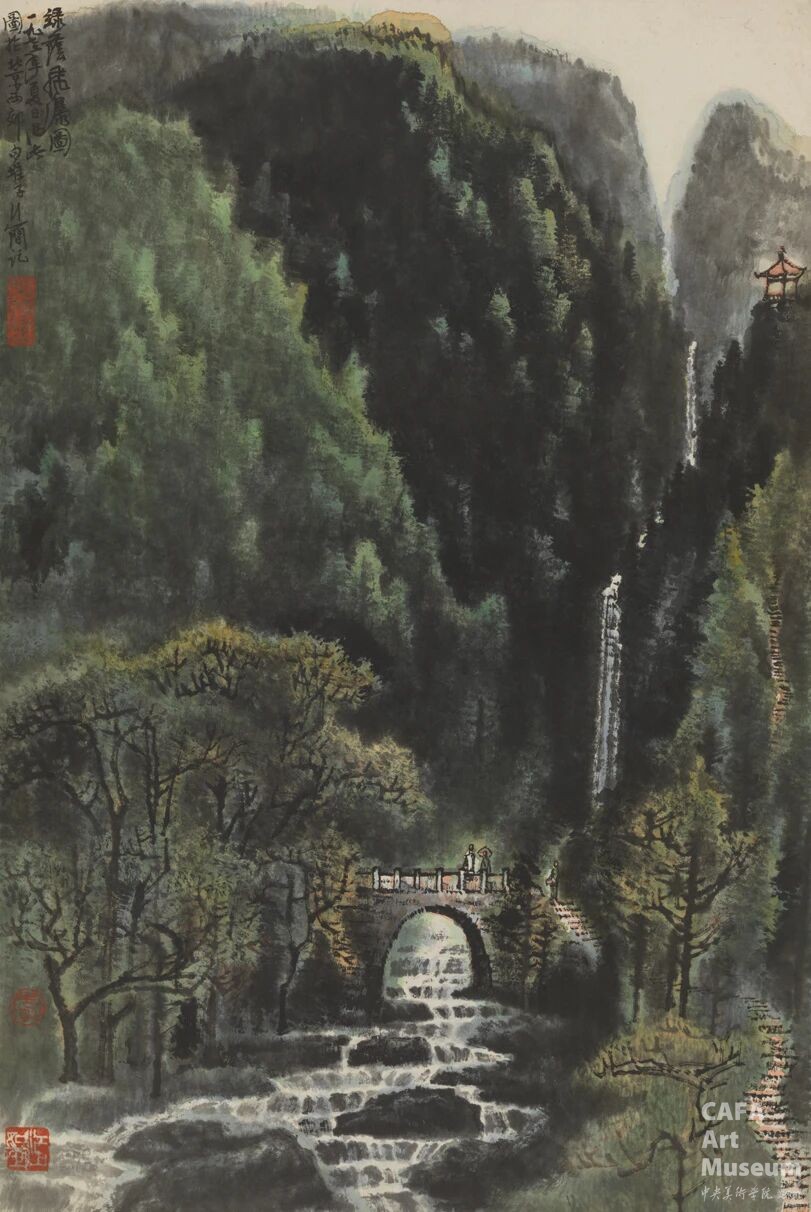
Green Shade and Waterfall, Li Xingjian, 1972, colored ink on paper, 69×46 cm, collected by CAFA Art Museum
A copying class is by no means merely about learning specific techniques and stylistic symbols such as the texture strokes and outline methods of any particular school or master. Instead, it focuses on understanding the common principles in the modeling characteristics and brush-and-ink expression techniques of past artists. One should absorb their strengths while also recognizing their limitations. A copying class is a crucial lesson in learning from the experience of others, including ancient masters.
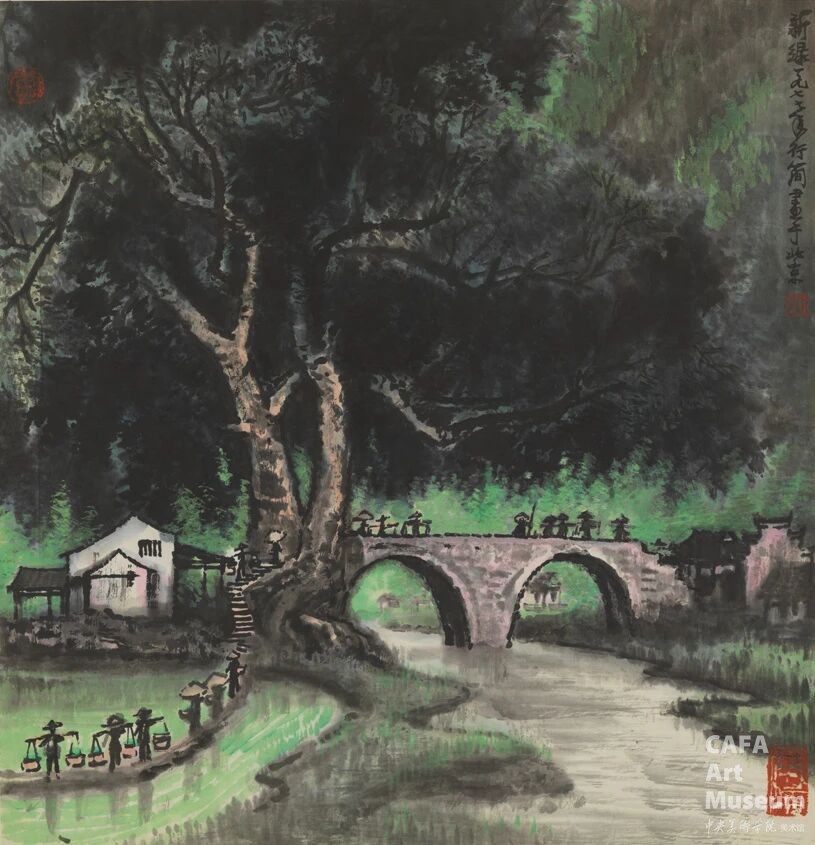
"Fresh Green", Li Xingjian, 1977, color on paper, 47.5×46 cm, collected by CAFA Art Museum
≒ ≒ ≒ ≒ ≒ ≒ ≒ ≒ ≒ ≒ ≒ ≒ ≒ ≒ ≒ ≒ ≒ ≒ ≒
III. Sketching from life is the only way to develop tradition
≒ ≒ ≒ ≒ ≒ ≒ ≒ ≒ ≒ ≒ ≒ ≒ ≒ ≒ ≒ ≒ ≒ ≒ ≒
"Learning from nature"—taking nature as one's teacher—is a fine tradition of Chinese painting. Only through careful and in-depth study of the endless changes in nature can one discover principles that others have not found. Sketching classes train students to go into nature, to remain calm, focused, and patient, and to discover beauty in ordinary scenes. Sketching is a process of creating from life.
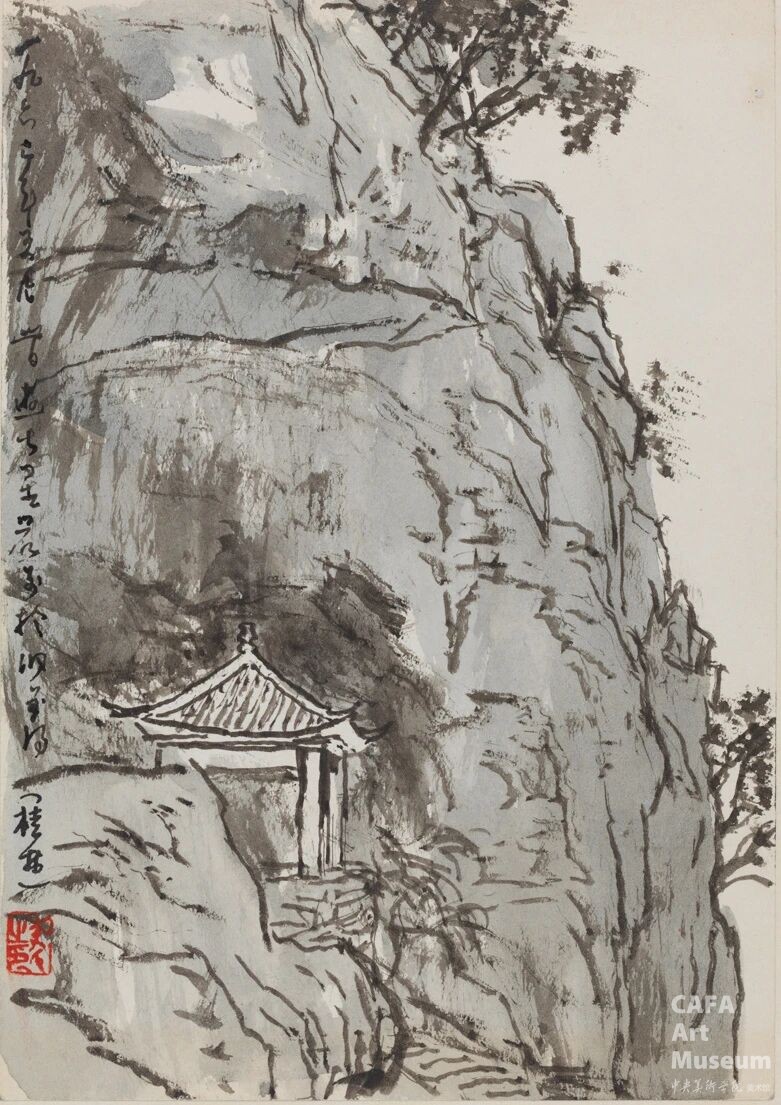
In Front of the Seven Star Cave, Li Xingjian, 1962, ink painting on paper, 17.8×12.3 cm, collected by CAFA Art Museum
When sketching from life, you must trust your eyes and your own feelings, and express your true thoughts. A sketching class should not be about verifying or copying others' formulas and methods, nor should it fall into the stereotypes of predecessors. The most important thing in a sketching class is to create your own artistic language.
Nature is the best teacher for students. Faced with the infinitely rich and ever‑changing nature, we will always be ignorant young learners. Therefore, we must devote ourselves wholeheartedly, ponder deeply, and perceive profoundly, so that we can make discoveries and create. Only in this way can we develop correct ways of observation and a rigorous academic attitude through sketching classes. Continuously drawing nourishment from nature and cultivating good habits constitutes a precious treasure for students.
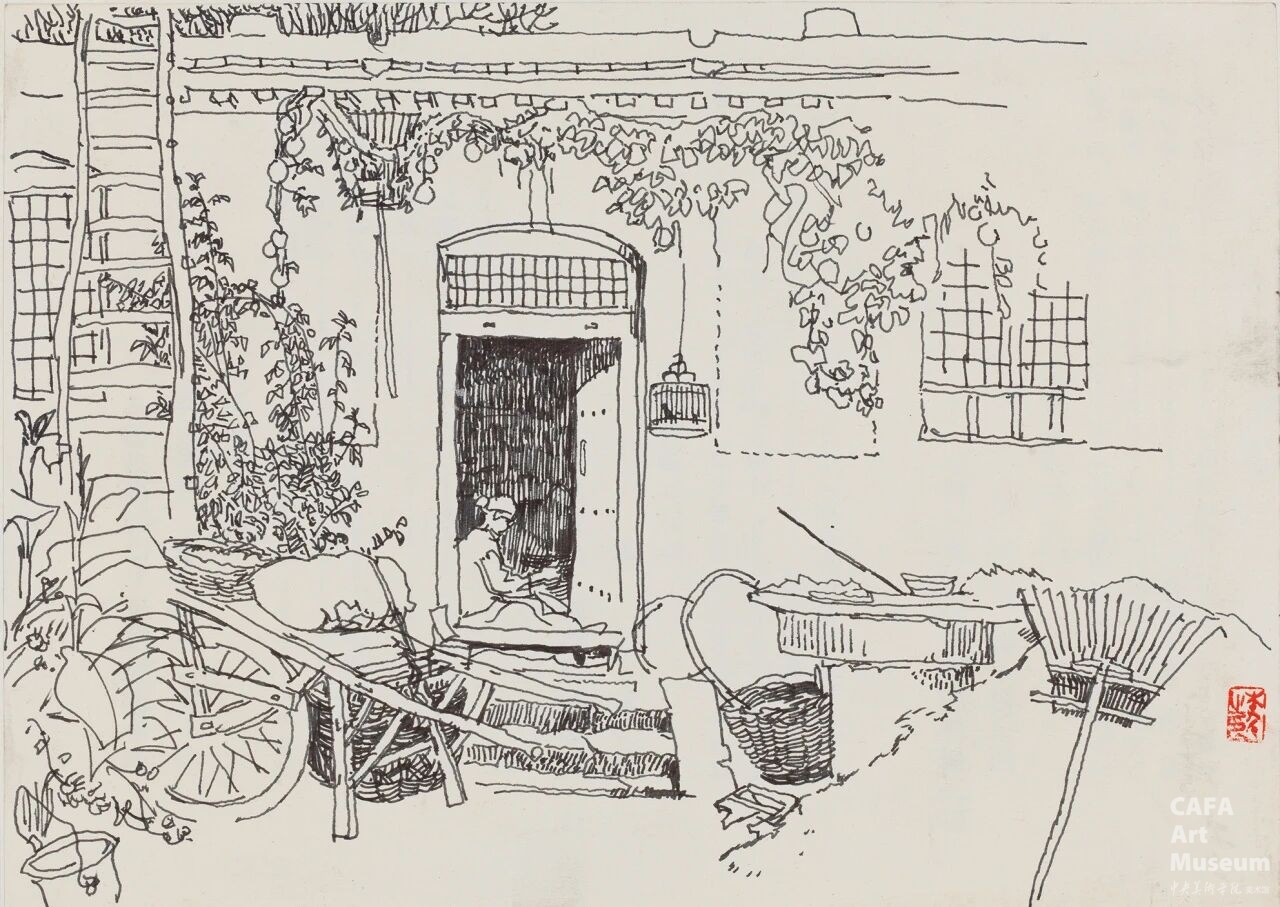
In Front of the Residence by Li Xingjian, 1972, pen and ink on paper, 17×24 cm, collected by CAFA Art Museum
≒ ≒ ≒ ≒ ≒ ≒ ≒ ≒ ≒ ≒ ≒ ≒ ≒ ≒ ≒ ≒ ≒ ≒ ≒ ≒ ≒ ≒ ≒ ≒
IV. Creative writing courses are designed to cultivate students' ability
to process and refine their works
≒ ≒ ≒ ≒ ≒ ≒ ≒ ≒ ≒ ≒ ≒ ≒ ≒ ≒ ≒ ≒ ≒ ≒ ≒ ≒ ≒ ≒ ≒ ≒
Sketching from life is creation directly from the scene. However, due to various limitations, the materials derived from real life cannot be fully refined and processed to achieve a higher artistic level.
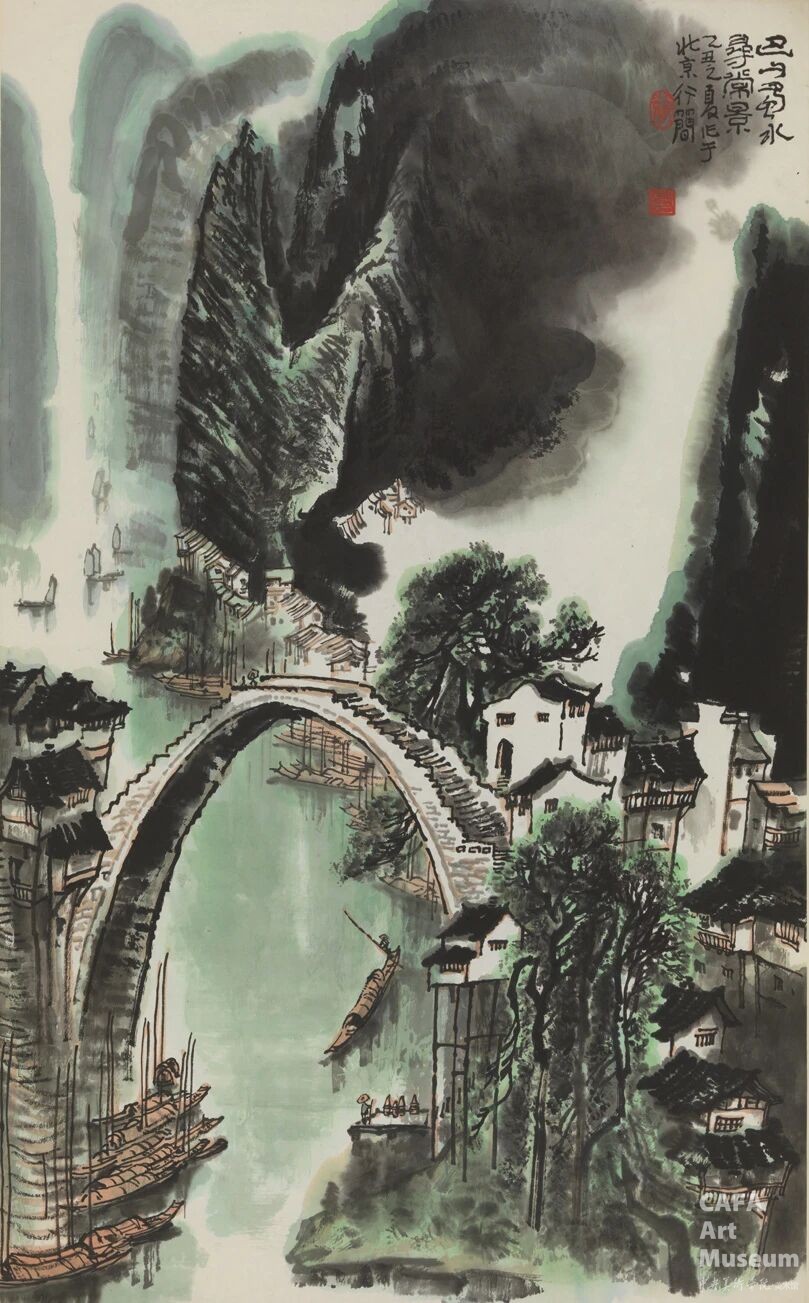
Ordinary Scenes of Bashanshushui, by Li Xingjian, 1985, colored ink on paper, 96×58 cm, collected by CAFA Art Museum
Creative writing courses focus on artistic conception design, and in particular, teach students more practical methods in terms of artistic conception refinement. Mr. Li Keran once proposed that for the raw materials obtained from sketching, one should "extract one and refine it tenfold" and conduct more extensive artistic processing.
In conclusion, I believe that a student's learning process is one of deepening their understanding of the laws of learning and laying a solid foundation. As teachers, we should guide them in the right direction in accordance with the teaching syllabus, and continuously enrich and enhance their artistic accomplishment. This is achieved through a systematic teaching approach of "copying—sketching from life—creating", involving repeated practice, constant summarization, and progressive improvement, so as to leave ample room for their future development. This is beneficial not only to the individual growth of students but also to the development of China's fine arts cause.
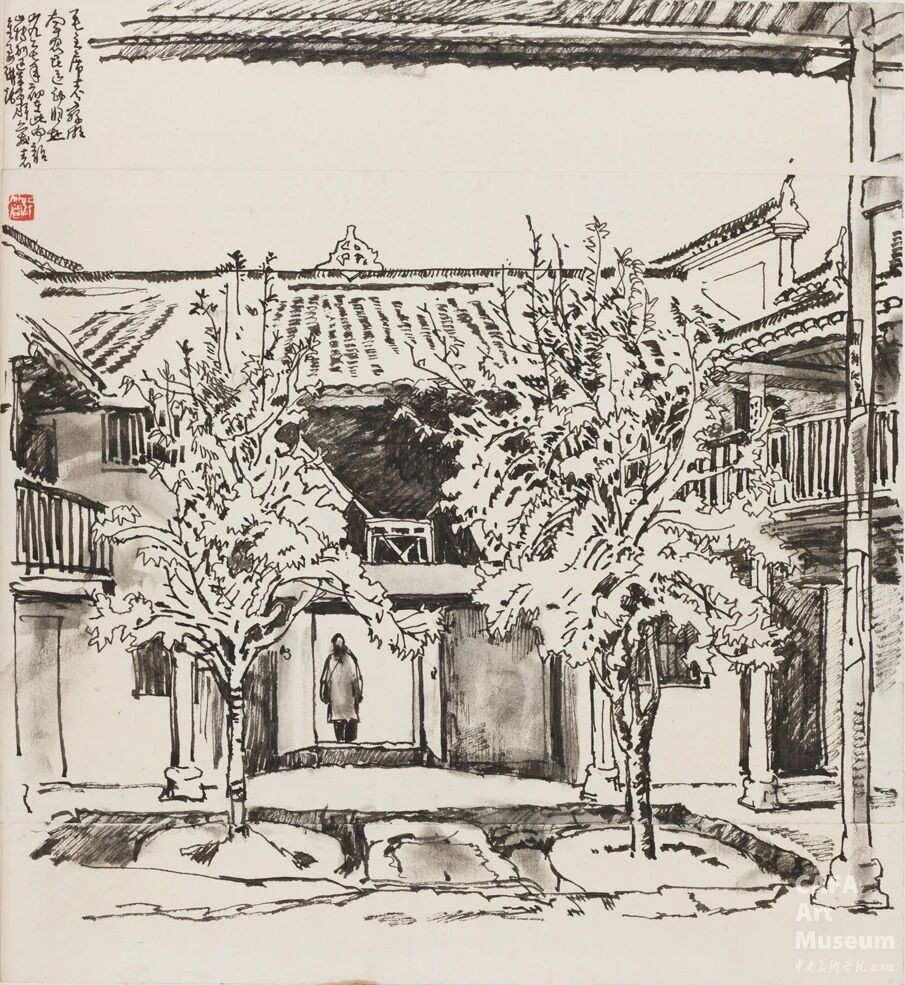
Site of the Hunan Peasant Movement, Li Xingjian, 1978, pen on paper, 29.9×27.2 cm, collected by CAFA Art Museum
Concurrent exhibitions
Chief Editor / He Yisha
Executive Editor / Du Yinzhu
Editor / Zhang Ni