研讨会回顾 | 李行简的艺术探索

1777000273821731.jpg

1777000292954856.jpg

1777000311993059.jpg

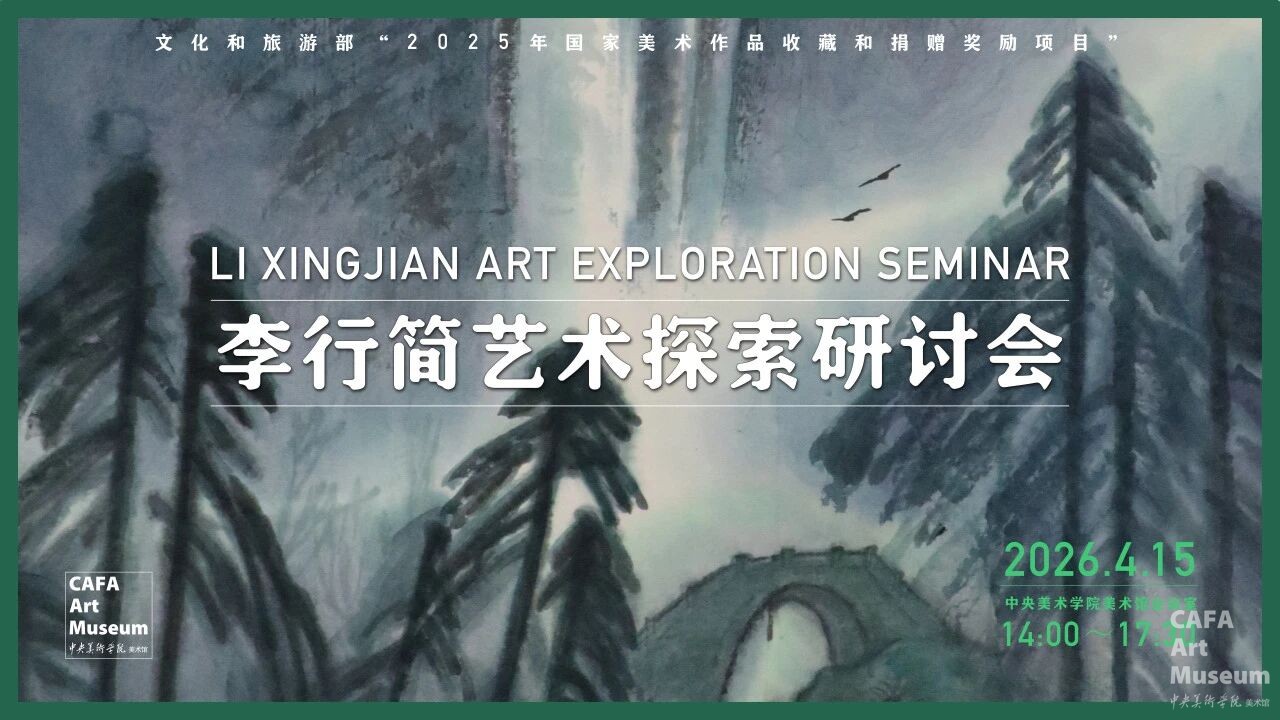
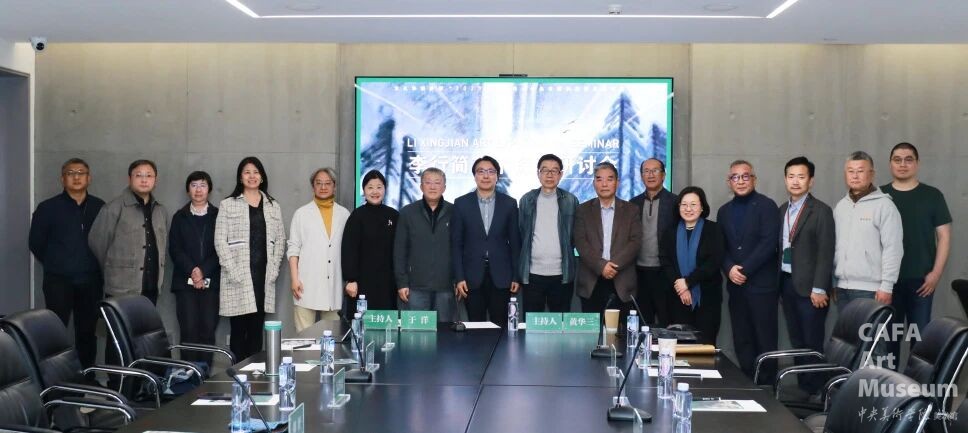
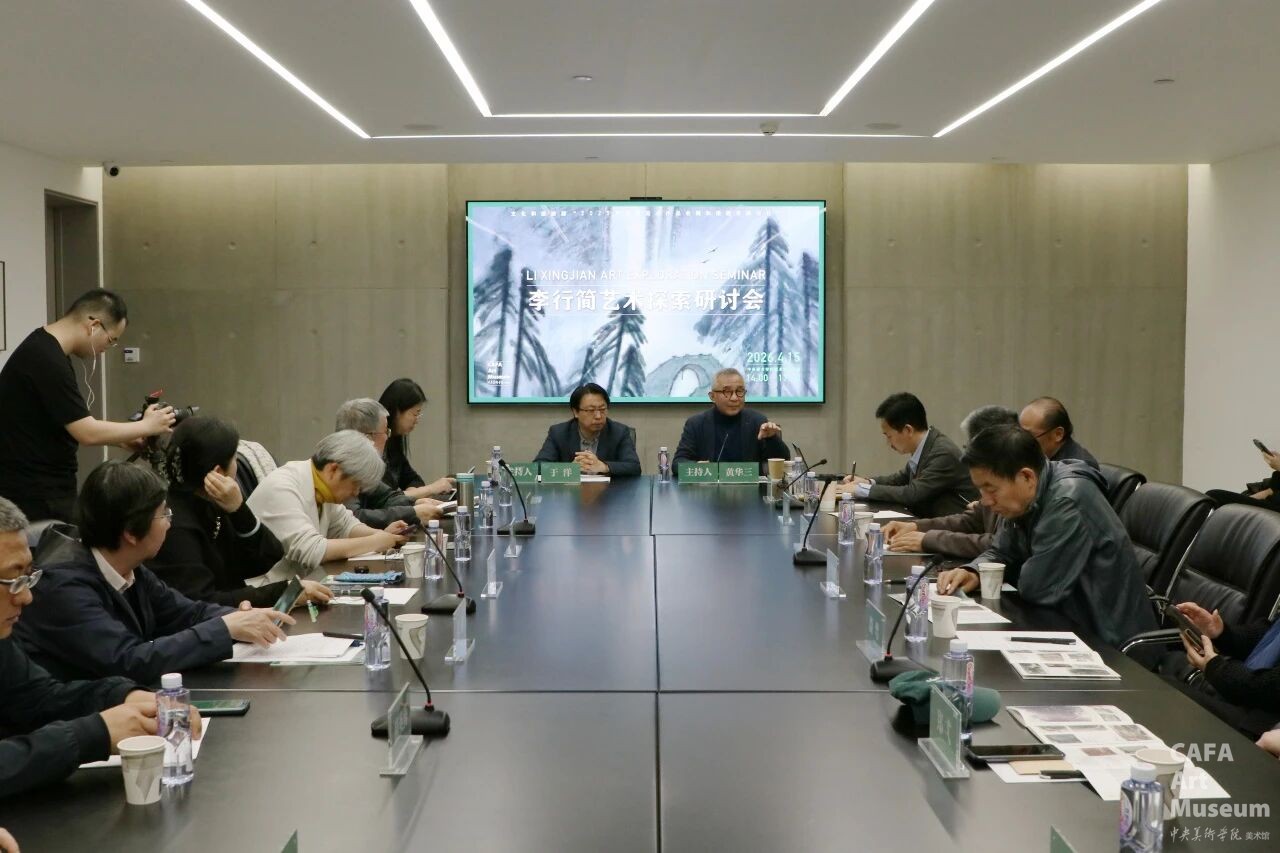
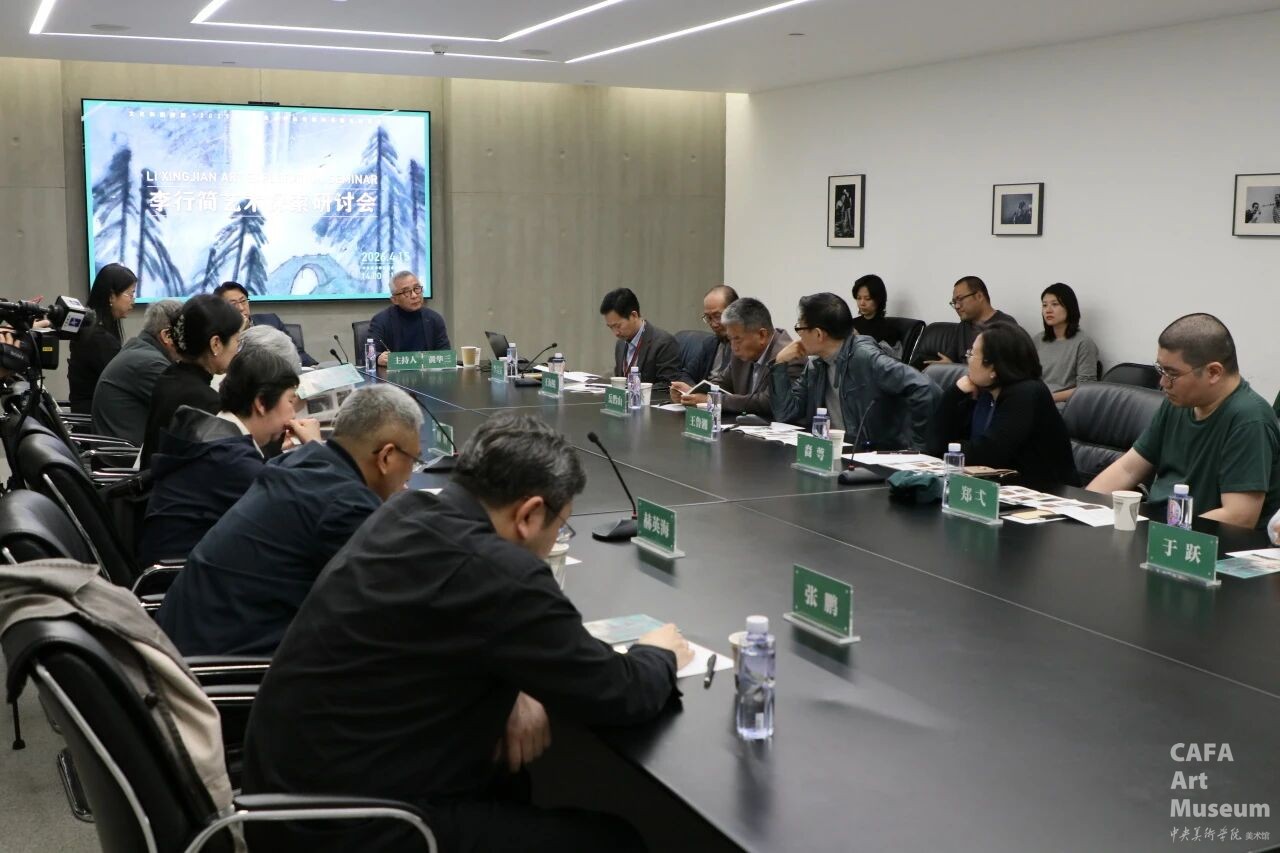
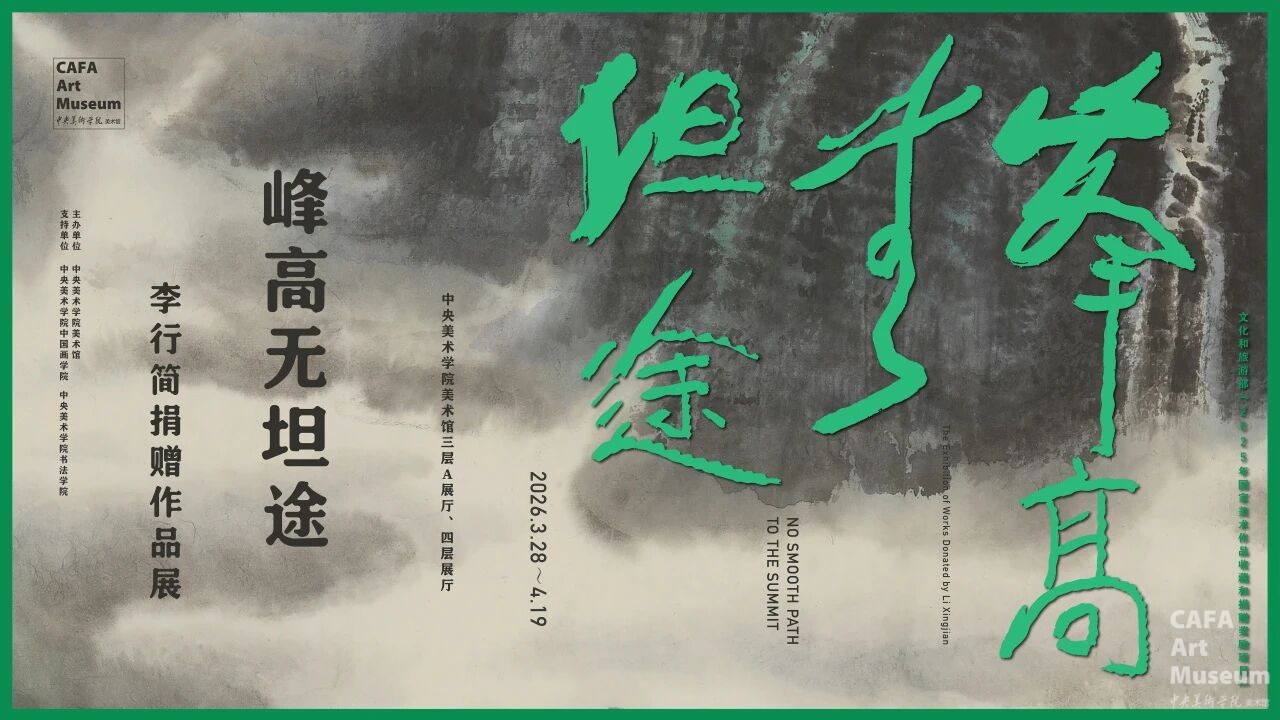
2026年4月15日下午,十余位专家学者汇聚中央美术学院美术馆会议室,召开“李行简艺术探索研讨会”。此次会议是“峰高无坦途——李行简捐赠作品展”的配套学术活动。会议由中央美术学院党委常委、副院长于洋教授及中国人民大学艺术学院黄华三教授共同主持。本次研讨会,发言嘉宾围绕李行简先生的艺术传承、创作理念、写生实践、作品风格演变,以及其捐赠行为的学术价值与文化意义等核心议题展开了深入研讨,对于李行简先生在建构李可染山水画教学体系中的重要作用,践行“苦学派”的艺术求索精神,以及李行简先生在艺术创作中保持开放胸怀,勇于创新的精神给与了高度肯定。

1777000338804521.jpg

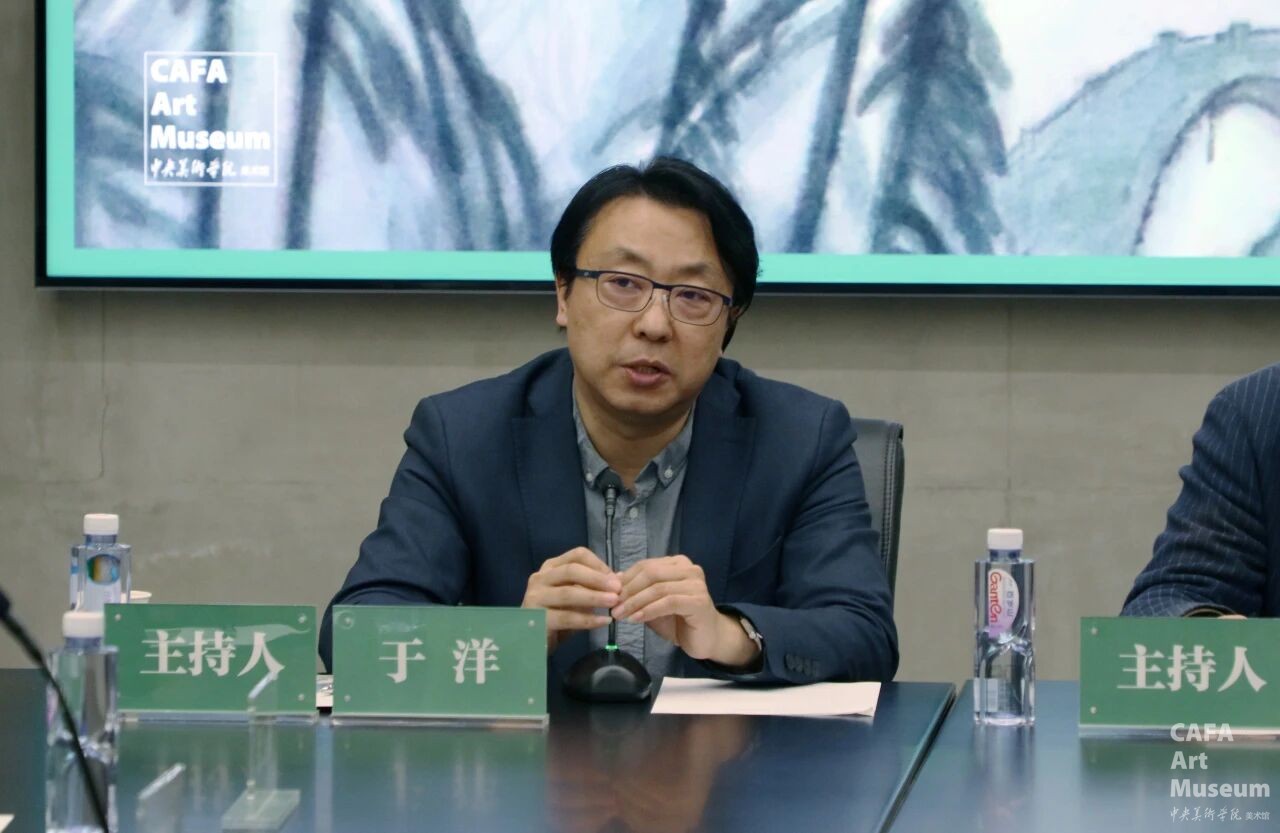
于洋  中央美术学院党委常委、副院长


主持人于洋先生首先介绍了本次参会的各位专家,并对于本次会议的意义及目的向大家进行了介绍。他表示李行简先生此次无私地向母校中央美术学院捐赠他的260余幅中国画作品和3000余幅速写作品,应该说是中央美术学院美术馆有史以来体量最大的一次捐赠,确实是分量非常重的一次展览。李行简先生作为美术学院培养的重要艺术家,李可染山水画教学体系重要的参与者、构建者和实践者,这些作品也是美术学院学脉传承和学术研究的宝贵财富。本次研讨会特别围绕李行简先生的艺术传承、创作理念、写生实践、风格作品的演变,包括本次展览、捐赠项目的学术价值和文化意义展开研讨。

1777000360969940.jpg

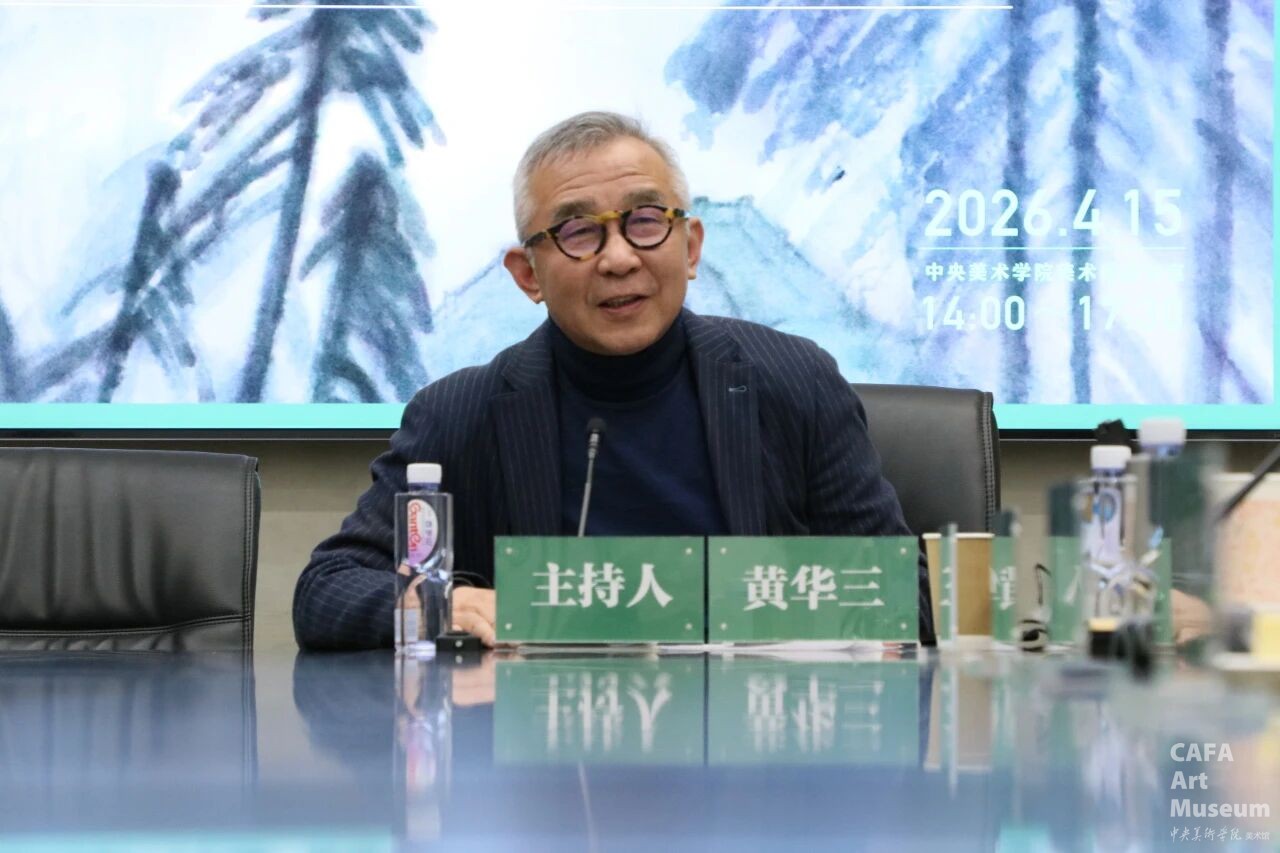
黄华三  中国人民大学教授


主持人黄华三老师作为家属代表,介绍了本次捐赠项目和研讨会的缘起和李行简先生对于美术学院的深厚情怀、无私的捐赠态度,以及在捐赠项目办理过程中提供帮助的各位师友。希望通过本次研讨会梳理李行简先生与中央美术学院山水画教学的意义。

https://static.cafamuseum.org/museum-image/image/202604/sy_1777001747521359.jpg

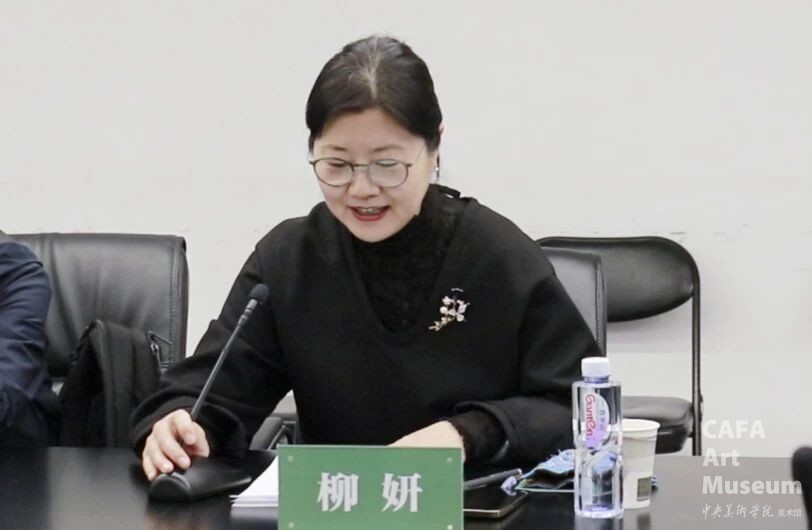
柳妍 北京美术家协会驻会副主席兼秘书长(代范迪安主席致辞)


北京美术家协会驻会副主席兼秘书长柳妍受中国美协主席、北京美术家协会主席,中央美术学院原院长范迪安先生的委托,代为致辞:范迪安先生在致辞中肯定了李行简先生对于中国山水画发展的重要历史贡献,并对于李先生的无私捐赠行为表示敬意,他指出“大道之行在于行稳致远,大道至简在于追求本真”,展示和探讨李行简先生的艺术是为了在新时代更好地把握传承与创新的辩证统一,推动中国画与中国美术朝向高质量发展。他认为,进入新中国的山水画艺术面临如何在弘扬优秀传统的基础上与时俱进的新课题,李行简先生以李可染先生的艺术精神为动力,以李可染先生的创作方法为楷模,在山水画的题材内容和笔墨语言上开拓出崭新的境界。他评价李行简先生艺术探索的三个鲜明特点:一是胸怀宽远,具有强烈的国家情怀,作品透露出博大的境界和时代的风貌,折射出中国山水的精神内涵和文化气象。二是深入生活与自然,坚持写生创作,以大量的对景写生和临场创作积累经验,在与大自然的深入对话中汲取题材,经营画面,构成意境,别开生面。三是坚持锤炼笔墨,追求艺术品质,他秉承李家山水苦学派的信念,集传统笔墨精华,师可染先生精要,形成了笔线老辣、墨色朴茂、意韵醇厚、气象清新的艺术风格,为山水画的传承创新树立了时代的标杆。

1777001768178865.jpg

中国美术家协会秘书长王平发来书面致辞,他认为作为李可染先生的学生,李行简既师其迹,亦师其心,既传承了“李家山水”的精神谱系,又以鲜明的个人风格和深厚造诣,在其中留下了独具分量的一笔。他概括了李行简先生艺术创作的几个重要特征,一是“承李可染衣钵,辟自我新径:新山水画传统的开拓先锋”,二是“素描赋能笔墨:造型基础与新山水画表现力的深度融合”,三是“汲取文人画精髓:以书入画与意境营造的高度自觉”,四是“峰高无坦途:艺术攀登者的永恒追求”。他认为李行简先生将奖励金捐赠中央美术学院,设立“李行简写生奖”,这份“取之于艺,用之于教”的情怀,正如其为人与艺术一样,于朴素中见崇高。他以一生实践告诉我们:艺术之路从无坦途,而“峰高无坦途”,正是每一位艺术攀登者应有的姿态。

https://static.cafamuseum.org/museum-image/image/202604/sy_1777001806366463.jpg

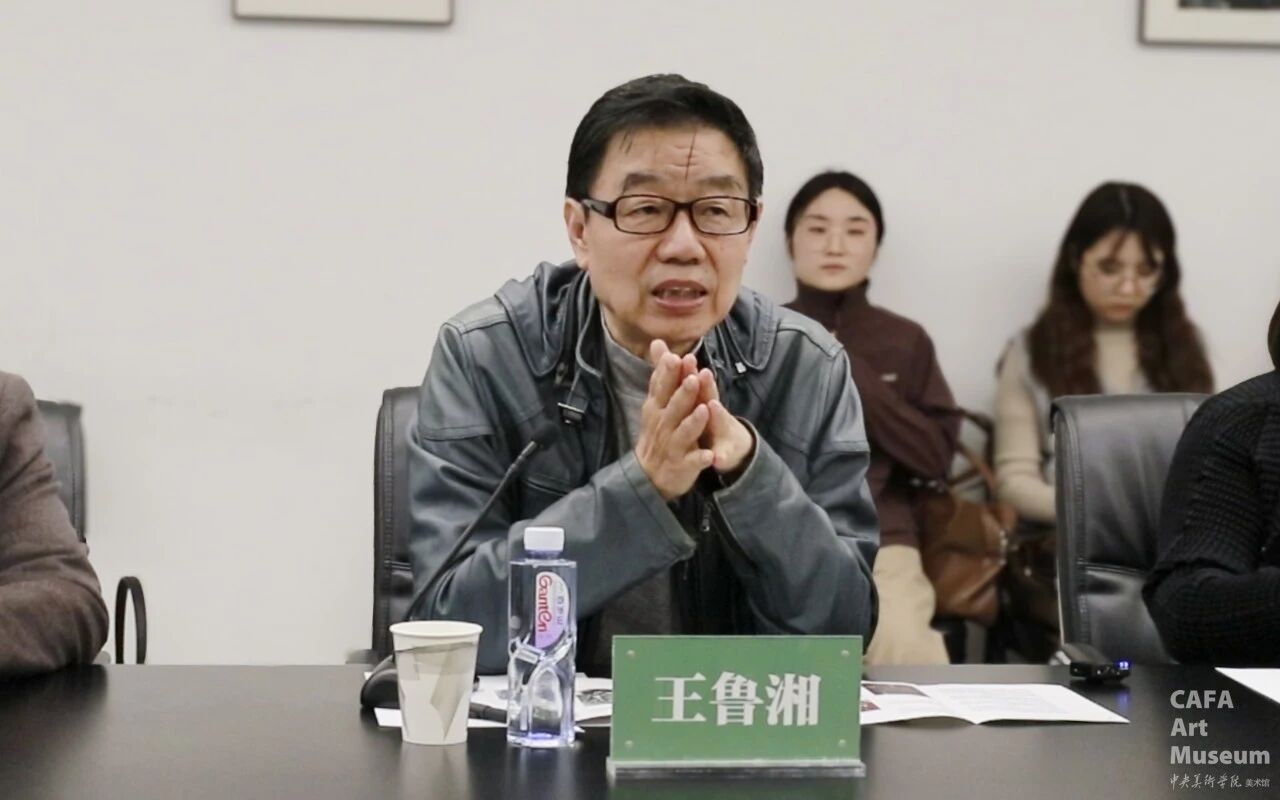
王鲁湘 中国国家画院研究员、知名主持人、文化学者


王鲁湘先生曾在李可染艺术基金会创立之初与李行简先生有过共事。他认为当时年轻、聪慧、苦学的李行简先生是“李家山水”这一美术史流派中的一位主力干将。他通过回顾20世纪50年代初期中国画发展的艰难处境,钩沉了李可染先生与张仃、叶浅予组成中国画革新领导小组进行山水画革新,以及20世纪90年代初对于“李家山水”的争论,分析李行简先生在李可染山水画创作及教学体系当中的重要实践和继承者的作用,同时提及了20世纪90年代之后李行简先生忽然沉默于画坛的复杂心态。通过李可染先生勉励李行简先生的“不恃才、不躐等,困而知之,做苦学派。”他说学生中李行简先生才情最高,“在这些人中间对于李可染先生继承得最好,学习得最像,实践得最认真,创作量最大的就是李行简,本来当时他是作为李家山水要扛大旗的一个人,突然之间好像变得沉默了。”三十多年来好像成为了美术史中的失踪者。通过本次展览和捐赠项目所看到的作品,他认为,首先要对他作出绝对肯定,如果没有他对于李可染的忠诚追随,“李家山水”靠李可染一个人是不能完成体系并构建的,他是第二梯队中间最主要的接棒手,“李家山水”我们放的时间越长,我们可能越能客观公正的去评价它在中国山水画史上的地位和它的贡献,等这一天到来的时候,李行简先生一定会获得他在中国20世纪美术史上应有的地位。

https://static.cafamuseum.org/museum-image/image/202604/sy_1777001838159608.jpg

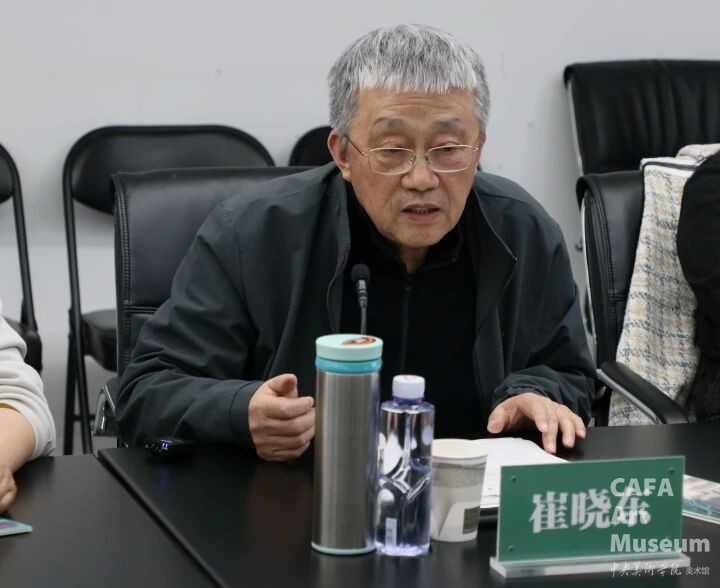
崔晓东 中央美术学院教授、炎黄艺术馆馆长


崔晓东先生作为李行简先生的学生和同事,回忆李行简为人坦荡正直、宽厚谦和,颇具君子之风,令他由衷崇敬。他指出,“李家山水”有两大开创性成果:一是山水画对景写生,以毛笔宣纸直面自然创作,革新了传统创作方式;二是将光线融入山水画,拓展了中国画的表现维度。而李行简完整传承并完善了“临摹—写生—创作”的教学链条,如今全国山水教学普遍重视写生,源头便在于此,这堪称20世纪中国山水画发展的重大突破,也是中央美术学院的重要教学成果。崔晓东强调,李行简是得李可染真传的继承者,深受李可染器重。李可染积墨技法难度极高,需反复积墨却不失通透,至今鲜有人能达到其高度,唯有李行简的技艺最接近恩师。20世纪80年代后,李可染到校授课减少,很多后辈学习“李家山水”的诸多技巧,均得益于李行简的传授,足见其在“李派山水”传承中的核心地位。针对传统继承问题,崔晓东提出当下需重视三大传统:中国古代传统、近现代新文化运动传统及新中国美术传统。其中新中国美术传统成就辉煌,山水画领域以李可染体系为代表。他认为当前画坛存在碎片化的问题,李行简捐赠的作品为传承传统提供了珍贵范本,期待美院能妥善保存、充分利用这批资源,助力传统艺术的传承与发展。


https://static.cafamuseum.org/museum-image/image/202604/sy_1777001867287196.jpg

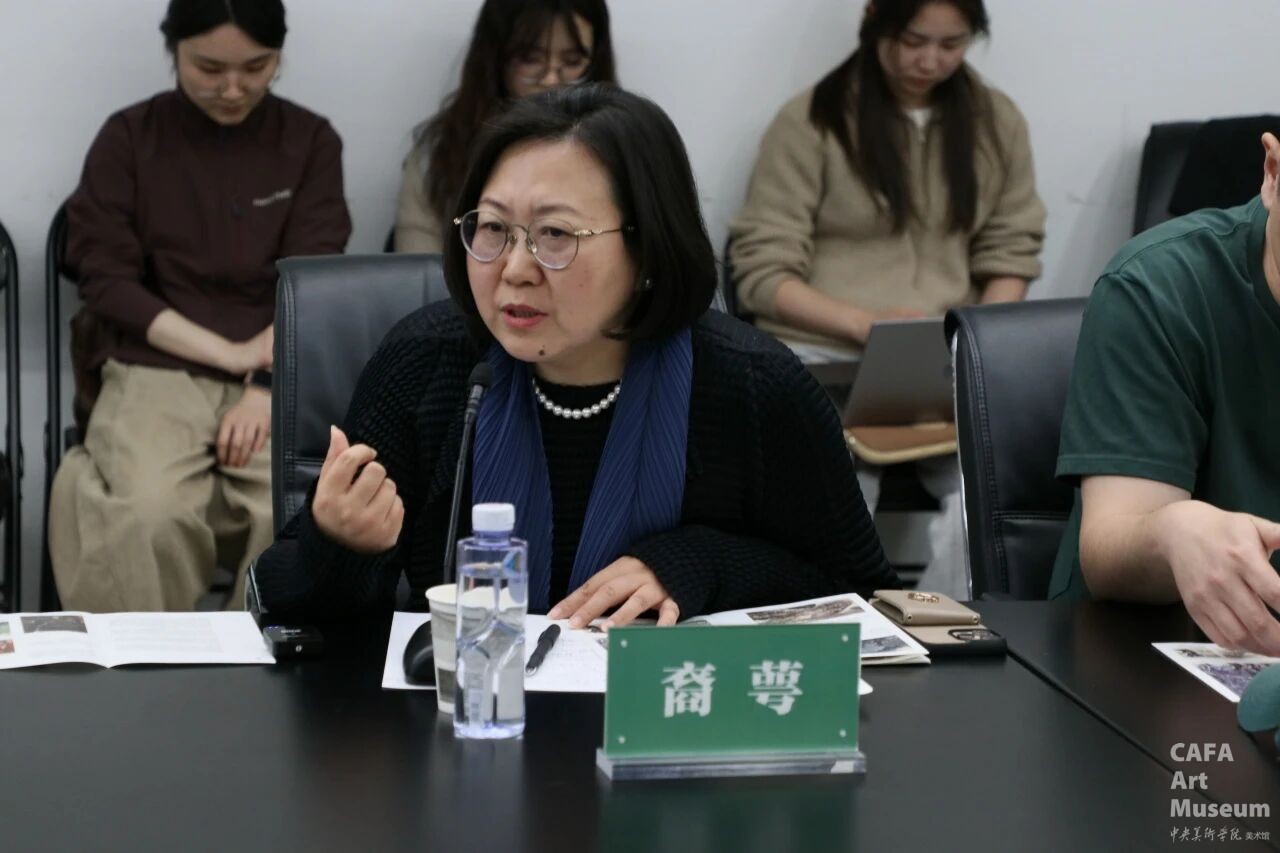
裔萼 ‌中国美术馆研究部主任


裔萼女士指出,本次展览与研讨让我们得以重新认识李行简的艺术成就。她认为,以往美术史书写常将其归于“李家山水”脉络,虽便于归类,却也往往模糊了艺术家自身的独立探索与个性价值。她强调,若仅停留在李行简六七十年代与李可染风格相近的创作,则难以充分评定其艺术地位。然而展览中一批代表性作品,如《峨眉山老洞遇雨图》《雨中小巷》《多少楼台烟雨中》等,展现了他独特的“轻、雅、逸”风格——不同于李可染的“满、重、黑”,李行简更擅长捕捉雨中、雾中清雅朦胧的诗意,体现了其个人的心性与才情。尤为值得注意的是,李可染晚年向文人写意传统的回归,与李行简在八九十年代对自我风格的追寻和确立,均体现了艺术家对自我表达与人格彰显的追求。因此,裔萼认为,应将李行简置于更完整的美术史视野中加以考察,不仅视其为“李家山水”的传承者,而

https://static.cafamuseum.org/museum-image/image/202604/sy_1777001889853341.jpg

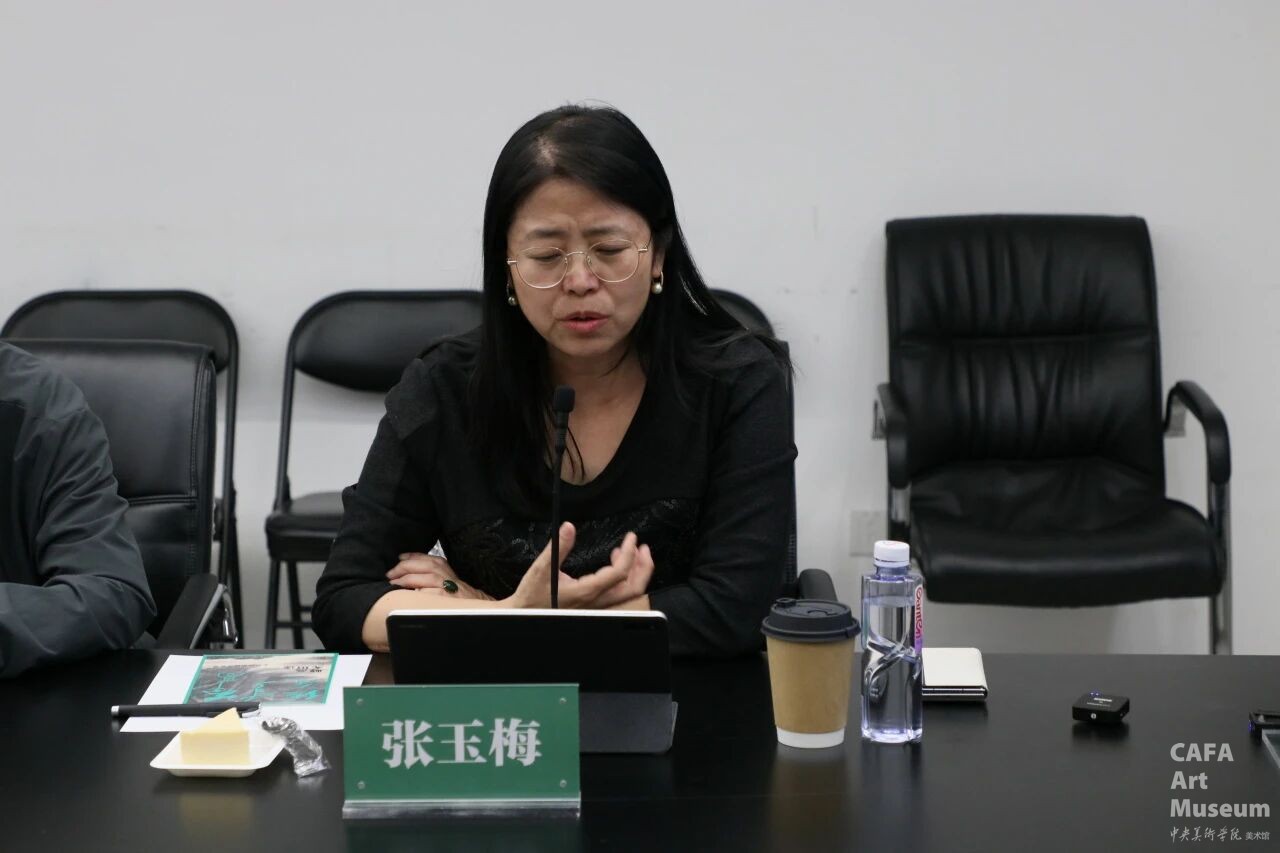
张玉梅  《光明日报》文艺部高级编辑


张玉梅女士分享了她观看展览的深刻体验。她以“沉默的坚持、朴素的深刻”概括对李行简艺术的整体印象,认为其作品能以真诚的创作状态跨越时空,深深感染观者。她着重指出李行简在技法上极为扎实,尤其在山水画的肌理、疏密与黑白关系处理上经得起推敲,体现出将简单之事做到极致的坚持。其写生作品如《桅墙林立》展现出对光影、色彩与细节的巧妙把握,源于深厚的素描功底。她强调,素描不仅是技法训练,更是一种观察方式的培养,李行简正是在“看”与“见”之间展现出独特的视觉智慧。展览名“峰高无坦途”,则既契合李行简的艺术追求,也与李可染先生的艺术理念高度一致,体现了艺术家攀登艺术高峰的刻苦与真诚,这种不迎合浮躁市场、专注坚守的态度,值得当下创作者与研究者学习。

1777001918787822.jpg

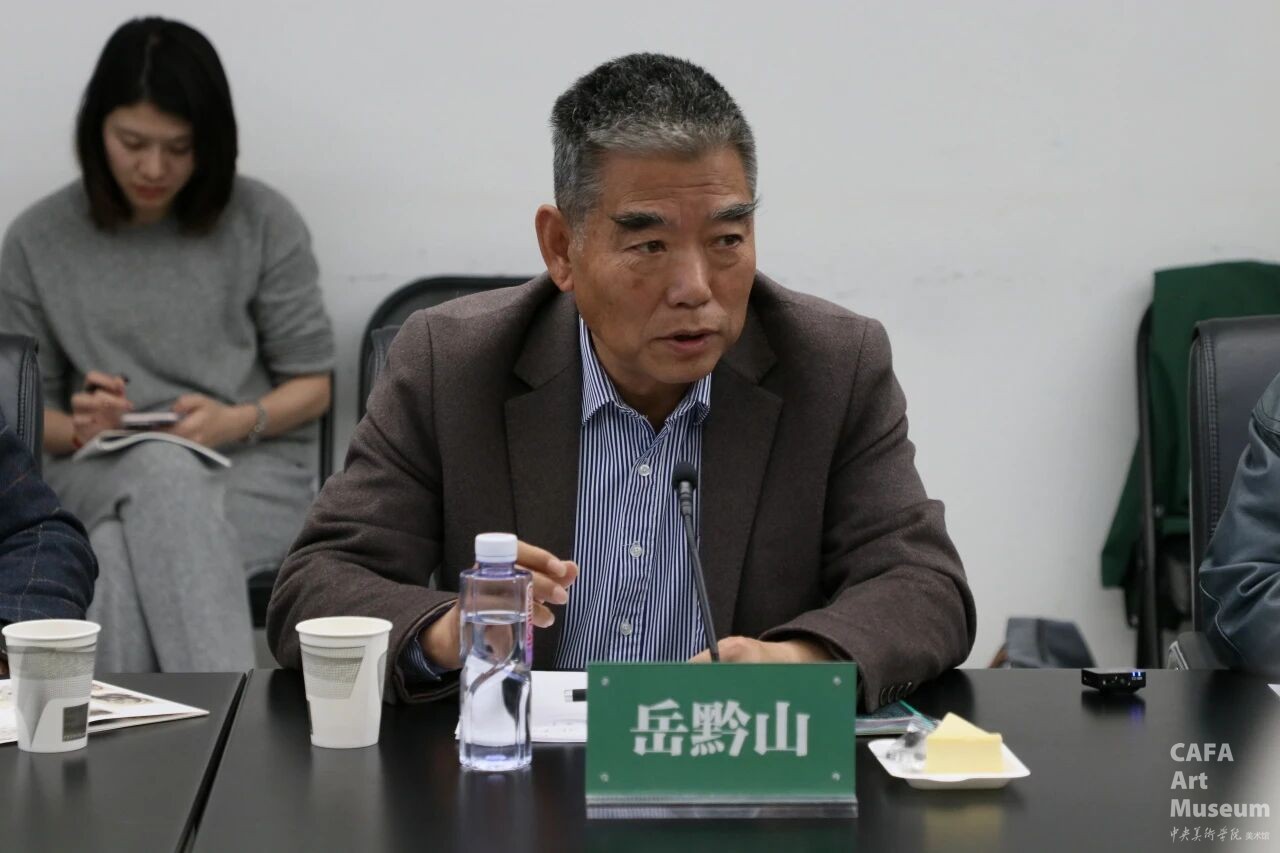
岳黔山 中央美术学院教授


岳黔山先生结合自身经历与学术思考,回忆早在1982年他便通过老师王振中了解到李行简,得知其是李可染最欣赏的学生之一。1986年到北京后,他更是多次接触李行简,对其艺术始终保持关注。岳黔山指出,李可染学派对中国近现代山水画发展贡献卓著,其核心是“写生即对景创作”,李可染将西洋画素描逆光与中国画留白、焦点透视与散点透视巧妙融合,融入齐白石的沉稳用线与黄宾虹的积墨技法,形成独特风格,其“为祖国山河立传”“东方既白”的理念,深深影响了李行简等弟子。他提到,李可染教学范围有限,其艺术与教学理念主要靠李行简、黄润华、张凭等人传承,自己作为再传弟子也深受其益。他强调,李行简并未局限于李可染的艺术样式,自20世纪80年代初便主动探索突破,减少积墨、增加线条运用,注重图式留白,形成自身特色。同时,李可染学派具有“继承不盲从”的特质——包括李宝林、龙瑞、姜宝林、王镛等弟子均受益于李可染,却都形成了自身风格,李行简先生亦是一样。岳黔山高度肯定李行简捐献作品的举措,认为这些作品为传承李可染学派的教学思想与艺术理念提供了宝贵素材,对中央美术学院的中国画教学乃至整个山水画领域的传承与发展,具有不可替代的学术价值。

https://static.cafamuseum.org/museum-image/image/202604/sy_1777001962271608.jpg

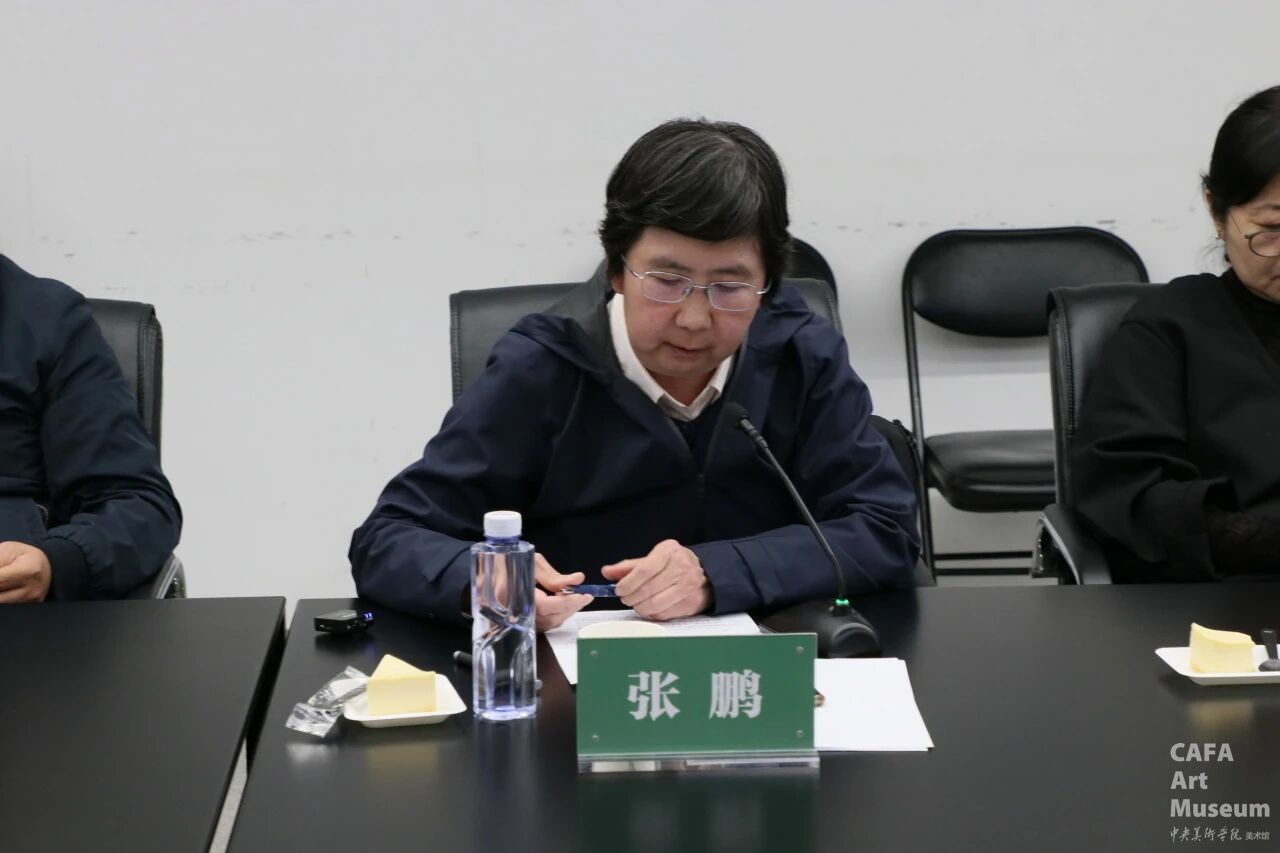
张鹏 中央美术学院学报编辑部主任、《美术研究》杂志社社长


张鹏女士高度评价李行简为“守正创新的典范”。她指出,李行简将李可染“苦学派”艺术理念内化于心、外化于行,是这一理念坚定且彻底的执行者。在创作与教学中,他始终坚守中国画本体,不迎合、不盲从,以“峰高无坦途”自勉,践行着央美学派“学到手再变”的传承精神,守住了艺术的根与魂。在创新方面,张鹏认为李行简的创新是守正基础上的自然生发。他以三千余幅速写积累展现出的虔诚创作态度,这在碎片化时代尤为珍贵。其作品虽尺幅有大小,却始终蕴含大山大水的气象与境界,“景小而境大,象括而意远”。部分作品在笔墨用线、形式表达上呈现出的现代性探索,也为研究其艺术脉络变化提供了切入点。张鹏回顾与李行简的接触,称其为人平和温润,作品亦具浸润之力,这种“不张扬”的力量正是苦学派精神的深层体现。她呼吁学界应系统梳理“苦学派”的传承链条,深化对李行简的研究,不仅为还原一位内敛而伟大的艺术家,更为当代山水画提供文脉清晰、治学严谨的典范。她强调,中央美术学院学报等学术平台应秉持敬畏之心,远离功利,深耕细作,在“大历史”中看见“人”的价值。

https://static.cafamuseum.org/museum-image/image/202604/sy_1777001977263052.jpg

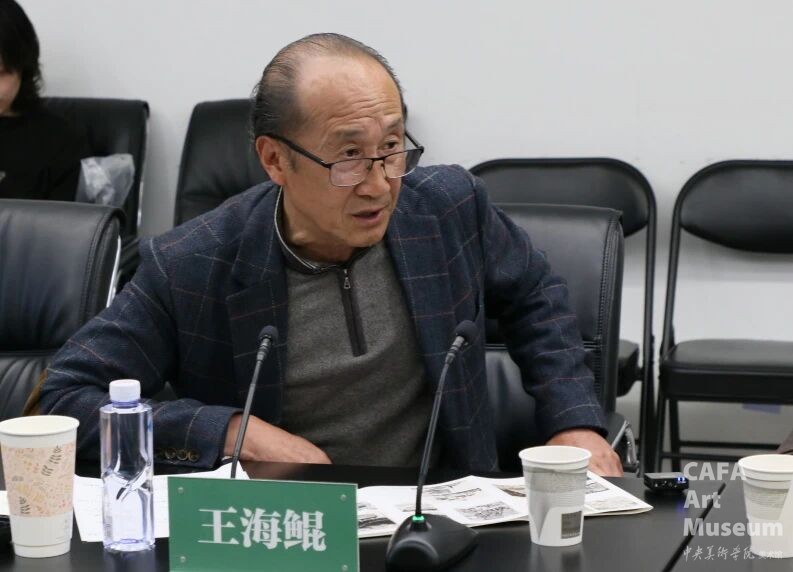
王海鲲 李可染画院常务副院长


王海鲲先生以家族传承与师承的双重身份,深情回顾了李行简先生的艺术人格。他指出,李行简为人温文尔雅,教学严谨认真,其艺术风格深受性格与生活环境影响。相较于李可染历经战乱、笔法中带有生涩与开创性的力量,李行简的绘画更显平和、雅致,尤其在留白、色彩与画面构成上体现出由内而外的温润气质。他特别提及李行简后期的创作,认为经历时代的“撕裂”后,反而让他的艺术迎来新的突破。其后期速写融入版画平面化效果与构成感,展现出回归内心的创作状态,极具启发意义。他还强调了李可染师徒写生时“约法三章”的创作态度,认为这种拒绝接待、专注写生的真诚,是作品动人的关键。正如李可染“狮子搏象”的创作理念,艺术家需集中精力、真诚投入,才能创作出有温度的作品。

1777002094513354.jpg

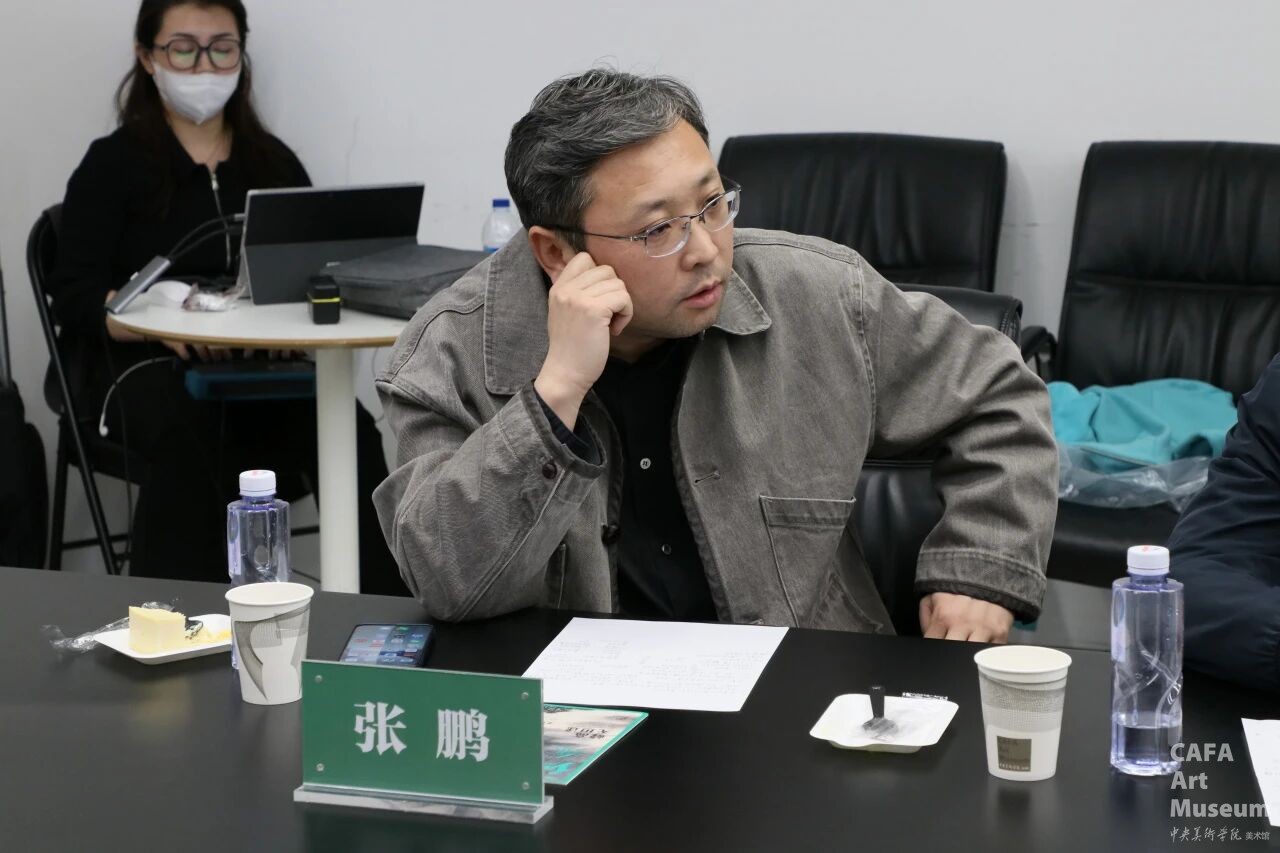
张鹏  《美术》杂志社副主编


张鹏先生从美术史研究与学科建设的角度,阐述了李行简先生捐赠作品的深远意义。以往对李行简的认知常限于“李可染的延续”,而面对其跨越素描、速写至创作的全面文献,我们得以深入剖析其从师承到个性化探索的完整“路径”。这种“路径化”研究,对理解20世纪中国画丰富多元的演进脉络至关重要。他指出,李行简的艺术道路具有鲜明的时代特点与教学参考价值。与深入传统的李可染不同,李行简更侧重于以“对景写生”作为进入中国画体系的核心方式,其大量运用不同媒介的写生与转化过程,为今天的艺术教育提供了生动的图像教材与实践范本。在当下重提“深入生活”的语境中,其真诚、扎实的创作态度尤具启示。他也强烈呼吁学界应以此为契机,启动对李行简艺术的深度专题研究,建议可设为博士生课题,尽快产出扎实的学术成果。这不仅是为了补全“李家山水”乃至中央美院学派的研究链条,更能为反思当前中国画创作与教学中面临的现实问题,提供源自历史经验的重要参照。

1777002173388127.jpg

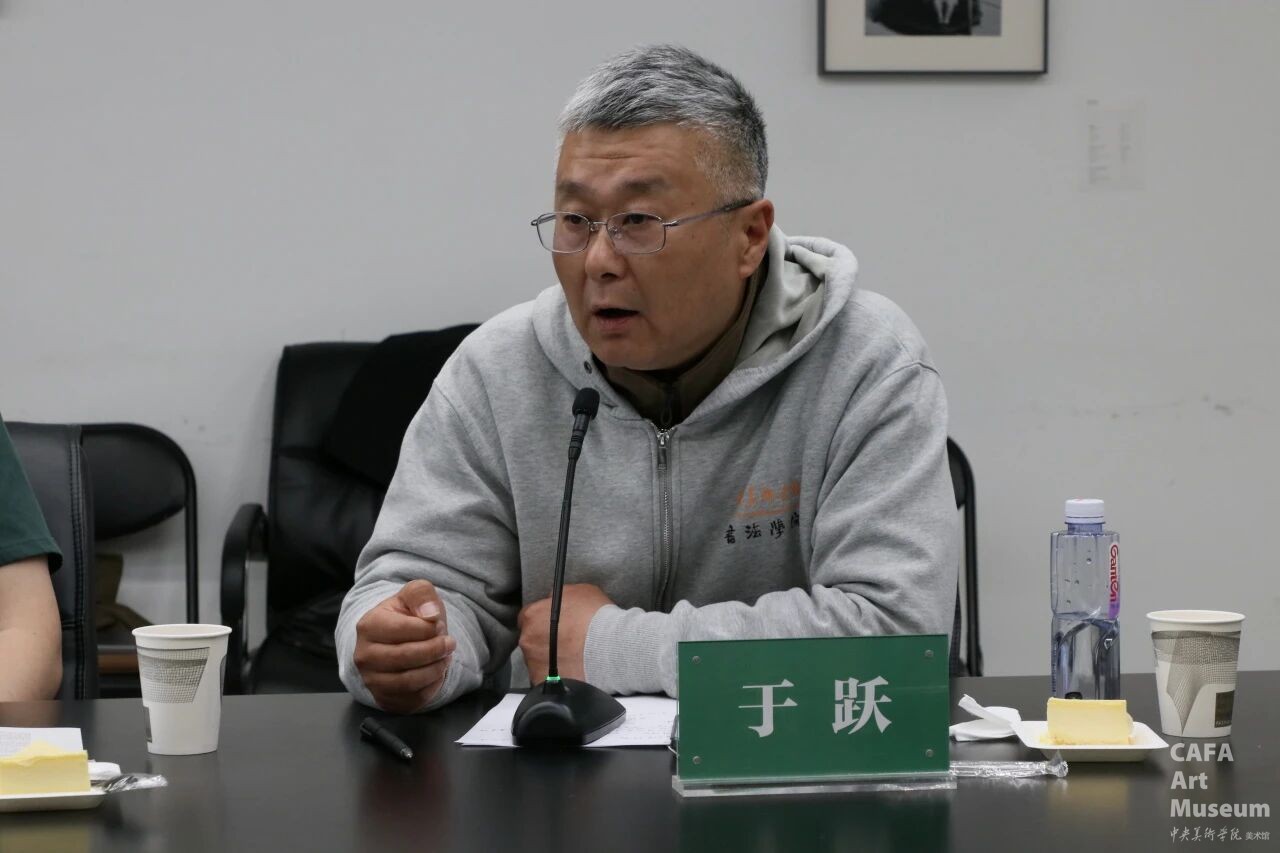
于跃  中央美术学院书法学院教师


于跃先生作为学生深情回顾了李行简先生在山水画教学中的探索与实践。他回忆,20世纪80年代末,当“李家山水”面临外界质疑时,李行简与黄润华等先生并未随波逐流,而是选择以“沉默的智慧”深入传统,对教学进行了系统性改革。他们特别强化了以范宽、石涛、龚贤为重点的临摹课程,旨在通过范宽锤炼深入,通过石涛激发书写,通过龚贤掌握积墨,并要求学生“不起稿,下笔直取”,以此训练精准的观察力与笔墨控制力。他特别提到李行简的写生教学,其核心是将传统临摹的“下笔直取”转化为写生实践。在湘西写生时,李行简常引导学生以石涛等传统技法对应实景,既传承“李家山水”基础,又融入对传统的再思考,彼时他的个人艺术语言已趋于成熟,可见其在传承中求变的探索。他结合自身当前在书法学院的山水画教学实践证实,这套源自八、九十年代,强调“不起稿、下笔直取”与“笔墨转化”的教学方法,在面对零基础学生时依然成效显著,展现出其历久弥新的生命力与高效性。这促使我们回望与反思,李行简先生那一代教育者所构建的、将传统临摹与对景写生深度融合的教学体系,对今天的中国画教学仍是极为宝贵的财富。

1777002267336247.jpg

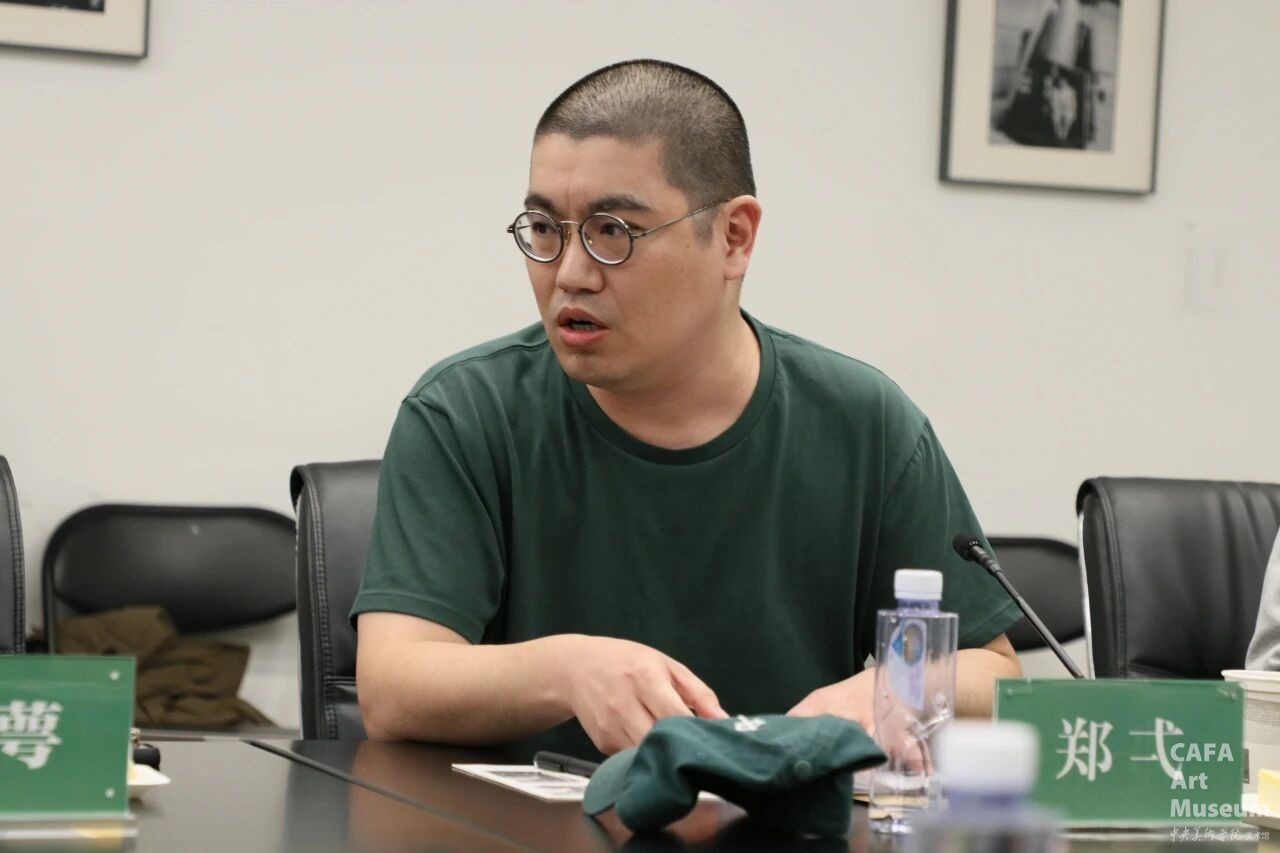
郑弌  中央美术学院教授


郑弌先生分享了对李行简艺术价值的独特见解。他表示,此次观展让他意识到,李行简不仅是“李家山水”的继承者,更是这一体系形成过程中的重要参与者,其艺术探索拓展了“李家山水”的整体面貌,而20世纪八九十年代对“李家山水”的片面诟病,实则源于认知局限。他从两个微观角度展开分析:在构图“满”的特征上,李可染的“满”侧重于对自然秩序的重构,通过积墨层次与画面秩序的搭建实现;而李行简的“满”则带有松动感,他消解了山水主体与背景的严格界限,常采用画面偏置的构图方式,通过主体与背景的互文塑造意境,这与他的为人处事风格高度契合,体现了中国画主体性的重建与精神性复归。在光线运用上,李可染将外光纳入画面秩序构建,而李行简的用光经历了从外光到内光的转向。受岭南画派影响,其早年作品外光色向与明度变化丰富,且强调外光的流动性,与画面的“满”形成互文;八九十年代后,这种流动性演变为写意的意境表达。郑弌认为,尽管李行简不同阶段画面表达有差异,但背后的创作逻辑与价值取向始终恒定,相关研究仍有广阔空间,此次研讨会应成为深入研究的新起点。

1777002619693535.jpg

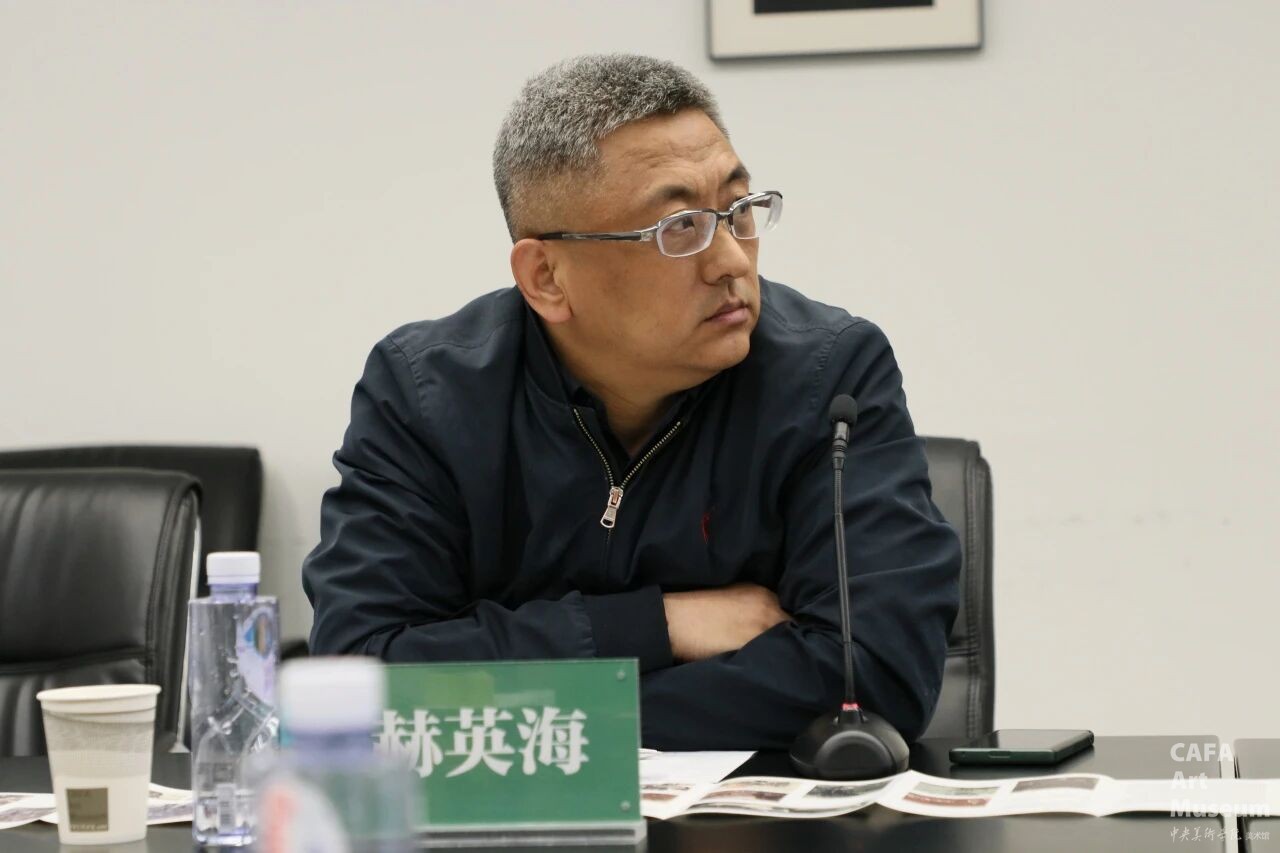
赫英海  北京美术家协会中国画艺委会委员


赫英海先生从艺术感受与教学反思的角度分享了他的观展心得。他认为,李行简的山水作品之所以动人,在于其笔墨与构图背后所流露出的“诗意心灵”,如《多少楼台烟雨中》一作,便凝练了艺术家多年探索后所找到的、承载个人情怀的绘画语言。他同样强调了对李行简艺术展开系统性研究的迫切性,并以1972年的小幅速写《棚前晾衣架》为例,指出其虽为日常小景,却在层次、黑白与点景中见出宏大气魄与对山水画的深刻理解,值得在技法与观念层面深入探究。针对当下中国画教学,赫英海对“下笔直取”的教学理念感触颇深。他直言,如今部分师生过度依赖摄影、高清大图等工具,甚至在写生时离不开电子设备,这种现象值得警惕。他强调,写生的核心是“写其生意”,过度依赖工具会弱化对现场情境的感知,唯有直面自然、用心体悟,才能真正捕捉到艺术的格调和诗性,这也是李行简艺术实践留给当代的重要启示。

1777002649895834.jpg

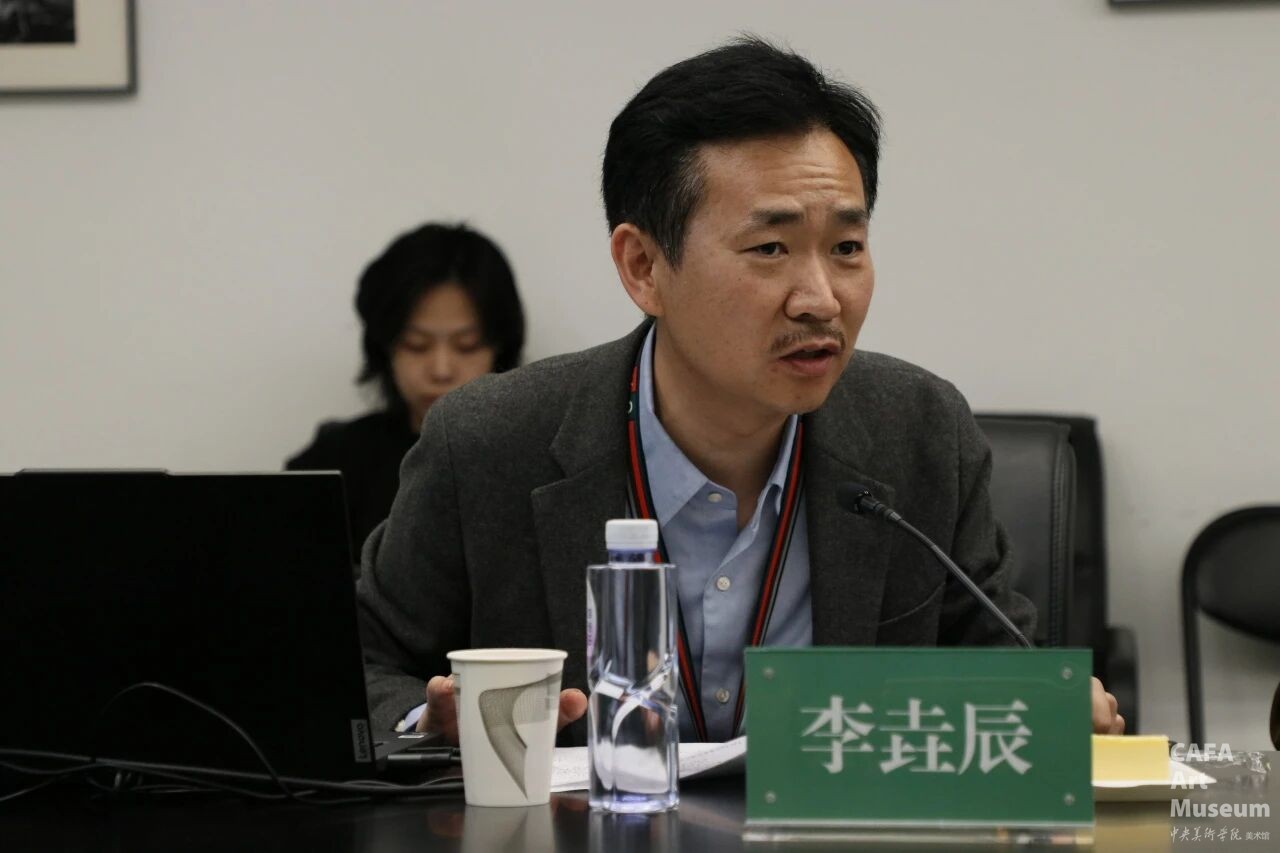
李垚辰  中央美术学院美术馆直属党支部副书记


李垚辰先生分享了本次捐赠与展览项目推进中的感动与感悟,对各位专家及李行简先生表达了诚挚感谢。他表示,李行简先生主动提出无偿捐赠作品,且慷慨允许工作人员自主挑选,最终精选260余件作品,完整留存其艺术成长脉络,这份无私令人动容。他提及,该捐赠项目从2022年推进至2026年,过程艰辛。当时85岁的李行简先生远在加拿大,与家人一同克服疫情困难,将所有捐赠速写逐页扫描、分类整理,这份严谨与真诚令人敬佩。李垚辰强调,此次捐赠的作品量足且完整,是中央美术学院培养的艺术名家的珍贵个案,蕴含诸多待挖掘的价值。美术馆计划将作品出版公之于众,助力社会重新认识这位低调内敛的艺术家。他表示,李行简先生践行“峰高无坦途”的探索精神,专注艺术、不慕虚名,美术馆将肩负历史责任,做好后续工作,不负先生嘱托,传承其艺术精神。


相关展览

1777002700851756.jpg

主编 / 何一沙

责编  / 杜隐珠

编辑  /  张妮

拍摄 / 孙霄萌


Child Public Education Reservation Form

I agree to the Group Visit Agreement and Statement Please agree to the Group Visit Agreement.
Submit

Adult Public Education Event Reservation Form

I agree to the Group Visit Agreement and Statement Please agree to the Group Visit Agreement.
Sumbit

Group Public Education Event Reservation Form

I agree to the Group Visit Agreement and Statement Please agree to the Group Visit Agreement.
Submit

Group Visit Agreement
and Statement

CAFA Art Museum Publication Authorization Agreement

I fully agree to CAFA Art Museum (CAFAM) submitting to CAFA for publication the images, pictures, texts, writings, and event products (such as works created during participation in workshops) related to me from my participation in public events (including museum member events) organized by the CAFA Art Museum Public Education Department. CAFA can publish these materials by electronic, web, or other digital means, and I hereby agree to be included in the China Knowledge Resource Bank, the CAFA Database, the CAFA Art Museum Database, and related data, documentation, and filing institutions and platforms. Regarding their use in CAFA and dissemination on the internet, I agree to make use of these rights according to the stated Rules.

CAFA Art Museum Event Safety Disclaimer

Article I

This event was organized on the principles of fairness, impartiality, and voluntary participation and withdrawal. Participants undertake all risk and liability for themselves. All events have risks, and participants must be aware of the risks related to their chosen event.

Article II

Event participants must abide by the laws and regulations of the People’s Republic of China, as well as moral and ethical norms. All participants must demonstrate good character, respect for others, friendship, and a willingness to help others.

Article III

Event participants should be adults (people 18 years or older with full civil legal capacity). Underage persons must be accompanied by an adult.

Article IV

Event participants undertake all liability for their personal safety during the event, and event participants are encouraged to purchase personal safety insurance. Should an accident occur during an event, persons not involved in the accident and the museum do not undertake any liability for the accident, but both have the obligation to provide assistance. Event participants should actively organize and implement rescue efforts, but do not undertake any legal or economic liability for the accident itself. The museum does not undertake civil or joint liability for the personal safety of event participants.

Article V

During the event, event participants should respect the order of the museum event and ensure the safety of the museum site, the artworks in displays, exhibitions, and collections, and the derived products. If an event causes any degree of loss or damage to the museum site, space, artworks, or derived products due to an individual, persons not involved in the accident and the museum do not undertake any liability for losses. The event participant must negotiate and provide compensation according to the relevant legal statutes and museum rules. The museum may sue for legal and financial liability.

Article VI

Event participants will participate in the event under the guidance of museum staff and event leaders or instructors and must correctly use the painting tools, materials, equipment, and/or facilities provided for the event. If a participant causes injury or harm to him/herself or others while using the painting tools, materials, equipment, and/or facilities, or causes the damage or destruction of the tools, materials, equipment, and/or facilities, the event participant must undertake all related liability and provide compensation for the financial losses. Persons not involved in the accident and the museum do not undertake any liability for personal accidents.

CAFA Art Museum Portraiture Rights Licensing Agreement

According to The Advertising Law of the People’s Republic of China, The General Principles of the Civil Law of the People’s Republic of China, and The Provisional Opinions of the Supreme People’s Court on Some Issues Related to the Full Implementation of the General Principles of the Civil Law of the People’s Republic of China, and upon friendly negotiation, Party A and Party B have arrived at the following agreement regarding the use of works bearing Party A’s image in order to clarify the rights and obligations of the portrait licenser (Party A) and the user (Party B):

I. General Provisions

(1) Party A is the portraiture rights holder in this agreement. Party A voluntarily licenses its portraiture rights to Party B for the purposes stipulated in this agreement and permitted by law.

(2) Party B (CAFA Art Museum) is a specialized, international modern art museum. CAFA Art Museum keeps pace with the times, and works to create an open, free, and academic space and atmosphere for positive interaction with groups, corporations, institutions, artists, and visitors. With CAFA’s academic research as a foundation, the museum plans multi-disciplinary exhibitions, conferences, and public education events with participants from around the world, providing a platform for exchange, learning, and exhibition for CAFA’s students and instructors, artists from around the world, and the general public. As a public institution, the primary purposes of CAFA Art Museum’s public education events are academic and beneficial to society.

(3) Party B will photograph all CAFA Public Education Department events for Party A.

II. Content, Forms of Use, and Geographical Scope of Use

(1) Content. The content of images taken by Party B bearing Party A’s likeness include: ① CAFA Art Museum ② CAFA campus ③ All events planned or executed by the CAFAM Public Education Department.

(2) Forms of Use. For use in CAFA’s publications, products with CDs, and promotional materials.

(3) Geographical Scope of Use

The applicable geographic scope is global.

The media in which the portraiture may be used encompasses any media that does not infringe upon Party A’s portraiture rights (e.g., magazines and the internet).

III. Term of Portraiture Rights Use

Use in perpetuity.

IV. Licensing Fees

The fees for images bearing Party A’s likeness will be undertaken by Party B.

After completion, Party B does not need to pay any fees to Party A for images bearing Party A’s likeness.

Additional Terms

(1) All matters not discussed in this agreement shall be resolved through friendly negotiation between both parties. Both parties may then sign a supplementary agreement, provided it does not violate any laws or regulations.

(2) This agreement comes into effect on the date that it is signed (sealed) and the relevant boxes are selected by Party A and Party B.

(3) This agreement exists in paper and electronic forms. The paper form is made in duplicate, with Party A and Party B each retaining one copy with the same legal efficacy.

Event participants implicitly accept and undertake all the obligations stated in this agreement. Those who do not consent will be seen as abandoning the right to participate in this event. Before participating in this event, please speak to your family members to obtain their consent and inform them of this disclaimer. After participants sign/check the required box, participants and their families will be seen as having read and agreed to these terms.

I have carefully read and agree to the above provisions.

Group Visit Agreement
and Statement

CAFA Art Museum Publication Authorization Agreement

I fully agree to CAFA Art Museum (CAFAM) submitting to CAFA for publication the images, pictures, texts, writings, and event products (such as works created during participation in workshops) related to me from my participation in public events (including museum member events) organized by the CAFA Art Museum Public Education Department. CAFA can publish these materials by electronic, web, or other digital means, and I hereby agree to be included in the China Knowledge Resource Bank, the CAFA Database, the CAFA Art Museum Database, and related data, documentation, and filing institutions and platforms. Regarding their use in CAFA and dissemination on the internet, I agree to make use of these rights according to the stated Rules.

CAFA Art Museum Event Safety Disclaimer

Article I

This event was organized on the principles of fairness, impartiality, and voluntary participation and withdrawal. Participants undertake all risk and liability for themselves. All events have risks, and participants must be aware of the risks related to their chosen event.

Article II

Event participants must abide by the laws and regulations of the People’s Republic of China, as well as moral and ethical norms. All participants must demonstrate good character, respect for others, friendship, and a willingness to help others.

Article III

Event participants should be adults (people 18 years or older with full civil legal capacity). Underage persons must be accompanied by an adult.

Article IV

Event participants undertake all liability for their personal safety during the event, and event participants are encouraged to purchase personal safety insurance. Should an accident occur during an event, persons not involved in the accident and the museum do not undertake any liability for the accident, but both have the obligation to provide assistance. Event participants should actively organize and implement rescue efforts, but do not undertake any legal or economic liability for the accident itself. The museum does not undertake civil or joint liability for the personal safety of event participants.

Article V

During the event, event participants should respect the order of the museum event and ensure the safety of the museum site, the artworks in displays, exhibitions, and collections, and the derived products. If an event causes any degree of loss or damage to the museum site, space, artworks, or derived products due to an individual, persons not involved in the accident and the museum do not undertake any liability for losses. The event participant must negotiate and provide compensation according to the relevant legal statutes and museum rules. The museum may sue for legal and financial liability.

Article VI

Event participants will participate in the event under the guidance of museum staff and event leaders or instructors and must correctly use the painting tools, materials, equipment, and/or facilities provided for the event. If a participant causes injury or harm to him/herself or others while using the painting tools, materials, equipment, and/or facilities, or causes the damage or destruction of the tools, materials, equipment, and/or facilities, the event participant must undertake all related liability and provide compensation for the financial losses. Persons not involved in the accident and the museum do not undertake any liability for personal accidents.

CAFA Art Museum Portraiture Rights Licensing Agreement

According to The Advertising Law of the People’s Republic of China, The General Principles of the Civil Law of the People’s Republic of China, and The Provisional Opinions of the Supreme People’s Court on Some Issues Related to the Full Implementation of the General Principles of the Civil Law of the People’s Republic of China, and upon friendly negotiation, Party A and Party B have arrived at the following agreement regarding the use of works bearing Party A’s image in order to clarify the rights and obligations of the portrait licenser (Party A) and the user (Party B):

I. General Provisions

(1) Party A is the portraiture rights holder in this agreement. Party A voluntarily licenses its portraiture rights to Party B for the purposes stipulated in this agreement and permitted by law.

(2) Party B (CAFA Art Museum) is a specialized, international modern art museum. CAFA Art Museum keeps pace with the times, and works to create an open, free, and academic space and atmosphere for positive interaction with groups, corporations, institutions, artists, and visitors. With CAFA’s academic research as a foundation, the museum plans multi-disciplinary exhibitions, conferences, and public education events with participants from around the world, providing a platform for exchange, learning, and exhibition for CAFA’s students and instructors, artists from around the world, and the general public. As a public institution, the primary purposes of CAFA Art Museum’s public education events are academic and beneficial to society.

(3) Party B will photograph all CAFA Public Education Department events for Party A.

II. Content, Forms of Use, and Geographical Scope of Use

(1) Content. The content of images taken by Party B bearing Party A’s likeness include: ① CAFA Art Museum ② CAFA campus ③ All events planned or executed by the CAFAM Public Education Department.

(2) Forms of Use. For use in CAFA’s publications, products with CDs, and promotional materials.

(3) Geographical Scope of Use

The applicable geographic scope is global.

The media in which the portraiture may be used encompasses any media that does not infringe upon Party A’s portraiture rights (e.g., magazines and the internet).

III. Term of Portraiture Rights Use

Use in perpetuity.

IV. Licensing Fees

The fees for images bearing Party A’s likeness will be undertaken by Party B.

After completion, Party B does not need to pay any fees to Party A for images bearing Party A’s likeness.

Additional Terms

(1) All matters not discussed in this agreement shall be resolved through friendly negotiation between both parties. Both parties may then sign a supplementary agreement, provided it does not violate any laws or regulations.

(2) This agreement comes into effect on the date that it is signed (sealed) and the relevant boxes are selected by Party A and Party B.

(3) This agreement exists in paper and electronic forms. The paper form is made in duplicate, with Party A and Party B each retaining one copy with the same legal efficacy.

Event participants implicitly accept and undertake all the obligations stated in this agreement. Those who do not consent will be seen as abandoning the right to participate in this event. Before participating in this event, please speak to your family members to obtain their consent and inform them of this disclaimer. After participants sign/check the required box, participants and their families will be seen as having read and agreed to these terms.

I have carefully read and agree to the above provisions.

Group Visit Agreement
and Statement

CAFA Art Museum Publication Authorization Agreement

I fully agree to CAFA Art Museum (CAFAM) submitting to CAFA for publication the images, pictures, texts, writings, and event products (such as works created during participation in workshops) related to me from my participation in public events (including museum member events) organized by the CAFA Art Museum Public Education Department. CAFA can publish these materials by electronic, web, or other digital means, and I hereby agree to be included in the China Knowledge Resource Bank, the CAFA Database, the CAFA Art Museum Database, and related data, documentation, and filing institutions and platforms. Regarding their use in CAFA and dissemination on the internet, I agree to make use of these rights according to the stated Rules.

CAFA Art Museum Event Safety Disclaimer

Article I

This event was organized on the principles of fairness, impartiality, and voluntary participation and withdrawal. Participants undertake all risk and liability for themselves. All events have risks, and participants must be aware of the risks related to their chosen event.

Article II

Event participants must abide by the laws and regulations of the People’s Republic of China, as well as moral and ethical norms. All participants must demonstrate good character, respect for others, friendship, and a willingness to help others.

Article III

Event participants should be adults (people 18 years or older with full civil legal capacity). Underage persons must be accompanied by an adult.

Article IV

Event participants undertake all liability for their personal safety during the event, and event participants are encouraged to purchase personal safety insurance. Should an accident occur during an event, persons not involved in the accident and the museum do not undertake any liability for the accident, but both have the obligation to provide assistance. Event participants should actively organize and implement rescue efforts, but do not undertake any legal or economic liability for the accident itself. The museum does not undertake civil or joint liability for the personal safety of event participants.

Article V

During the event, event participants should respect the order of the museum event and ensure the safety of the museum site, the artworks in displays, exhibitions, and collections, and the derived products. If an event causes any degree of loss or damage to the museum site, space, artworks, or derived products due to an individual, persons not involved in the accident and the museum do not undertake any liability for losses. The event participant must negotiate and provide compensation according to the relevant legal statutes and museum rules. The museum may sue for legal and financial liability.

Article VI

Event participants will participate in the event under the guidance of museum staff and event leaders or instructors and must correctly use the painting tools, materials, equipment, and/or facilities provided for the event. If a participant causes injury or harm to him/herself or others while using the painting tools, materials, equipment, and/or facilities, or causes the damage or destruction of the tools, materials, equipment, and/or facilities, the event participant must undertake all related liability and provide compensation for the financial losses. Persons not involved in the accident and the museum do not undertake any liability for personal accidents.

CAFA Art Museum Portraiture Rights Licensing Agreement

According to The Advertising Law of the People’s Republic of China, The General Principles of the Civil Law of the People’s Republic of China, and The Provisional Opinions of the Supreme People’s Court on Some Issues Related to the Full Implementation of the General Principles of the Civil Law of the People’s Republic of China, and upon friendly negotiation, Party A and Party B have arrived at the following agreement regarding the use of works bearing Party A’s image in order to clarify the rights and obligations of the portrait licenser (Party A) and the user (Party B):

I. General Provisions

(1) Party A is the portraiture rights holder in this agreement. Party A voluntarily licenses its portraiture rights to Party B for the purposes stipulated in this agreement and permitted by law.

(2) Party B (CAFA Art Museum) is a specialized, international modern art museum. CAFA Art Museum keeps pace with the times, and works to create an open, free, and academic space and atmosphere for positive interaction with groups, corporations, institutions, artists, and visitors. With CAFA’s academic research as a foundation, the museum plans multi-disciplinary exhibitions, conferences, and public education events with participants from around the world, providing a platform for exchange, learning, and exhibition for CAFA’s students and instructors, artists from around the world, and the general public. As a public institution, the primary purposes of CAFA Art Museum’s public education events are academic and beneficial to society.

(3) Party B will photograph all CAFA Public Education Department events for Party A.

II. Content, Forms of Use, and Geographical Scope of Use

(1) Content. The content of images taken by Party B bearing Party A’s likeness include: ① CAFA Art Museum ② CAFA campus ③ All events planned or executed by the CAFAM Public Education Department.

(2) Forms of Use. For use in CAFA’s publications, products with CDs, and promotional materials.

(3) Geographical Scope of Use

The applicable geographic scope is global.

The media in which the portraiture may be used encompasses any media that does not infringe upon Party A’s portraiture rights (e.g., magazines and the internet).

III. Term of Portraiture Rights Use

Use in perpetuity.

IV. Licensing Fees

The fees for images bearing Party A’s likeness will be undertaken by Party B.

After completion, Party B does not need to pay any fees to Party A for images bearing Party A’s likeness.

Additional Terms

(1) All matters not discussed in this agreement shall be resolved through friendly negotiation between both parties. Both parties may then sign a supplementary agreement, provided it does not violate any laws or regulations.

(2) This agreement comes into effect on the date that it is signed (sealed) and the relevant boxes are selected by Party A and Party B.

(3) This agreement exists in paper and electronic forms. The paper form is made in duplicate, with Party A and Party B each retaining one copy with the same legal efficacy.

Event participants implicitly accept and undertake all the obligations stated in this agreement. Those who do not consent will be seen as abandoning the right to participate in this event. Before participating in this event, please speak to your family members to obtain their consent and inform them of this disclaimer. After participants sign/check the required box, participants and their families will be seen as having read and agreed to these terms.

I have carefully read and agree to the above provisions.

Event Booking Form

Name:
Gender
Phone:
Valid Certificate: Identity Card
ID Number:
Email:

Reminder:

Hello! Thank you for participating in our public education event and we are looking forward to seeing you! If you cannot attend the event on time, please send a text message to 13261936837 (Liang) to cancel the booking. Please be aware that your eligibility for using the quick booking may be affected If you cancel the booking more than three times. Thank you for your understanding!
Quick loginAccount login
  • Mobile phone number will be your login ID
  •  
Use Artron membership to login