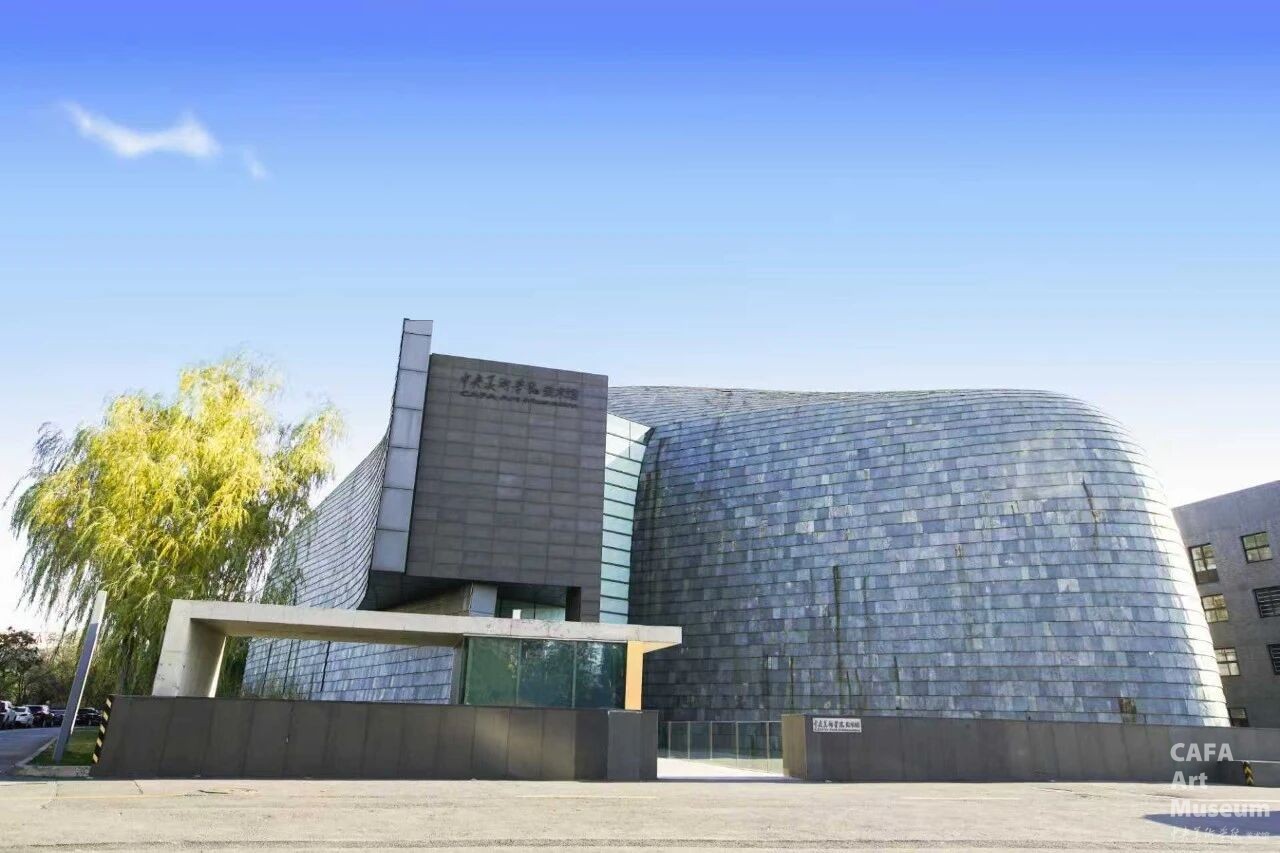
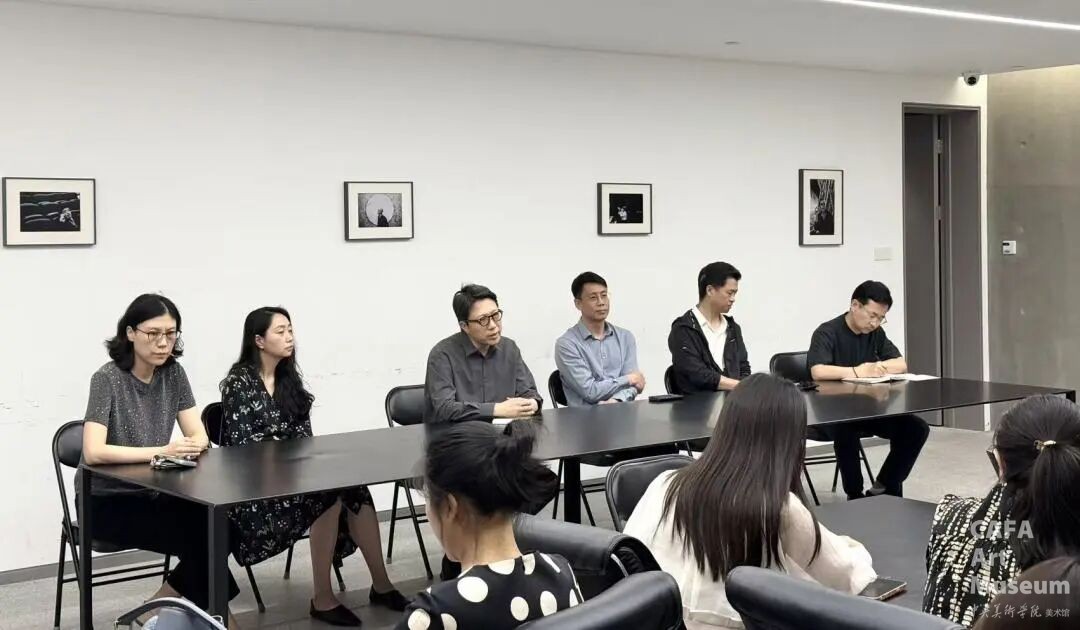
On the morning of June 22, 2026, the opening ceremony of the first session of the Training Program on Cultural and Creative IP Design, Operation and Management, hosted by the CAFA Art Museum, was held in the conference room of the Art Museum.Jin Jun, Director of CAFA Art Museum; Han Wenchao, Secretary of the Directly Affiliated Party Branch; Hai Jun and Gao Gao, Deputy Directors of CAFA Art Museum; Li Yaochen, Deputy Secretary of the Directly Affiliated Party Branch, attended the ceremony.
╪Part .01
Opening Ceremony
Speech by Leaders
Participants of this training program come from all over the country, covering practitioners from cultural and museum institutions, cultural tourism enterprises, cultural and creative brands, university teachers and professionals in other diverse fields. Most of them are senior practitioners and institutional leaders with years of in-depth experience in the industry, who look forward to exchanging experience and inspiring one another during the six days of joint study.
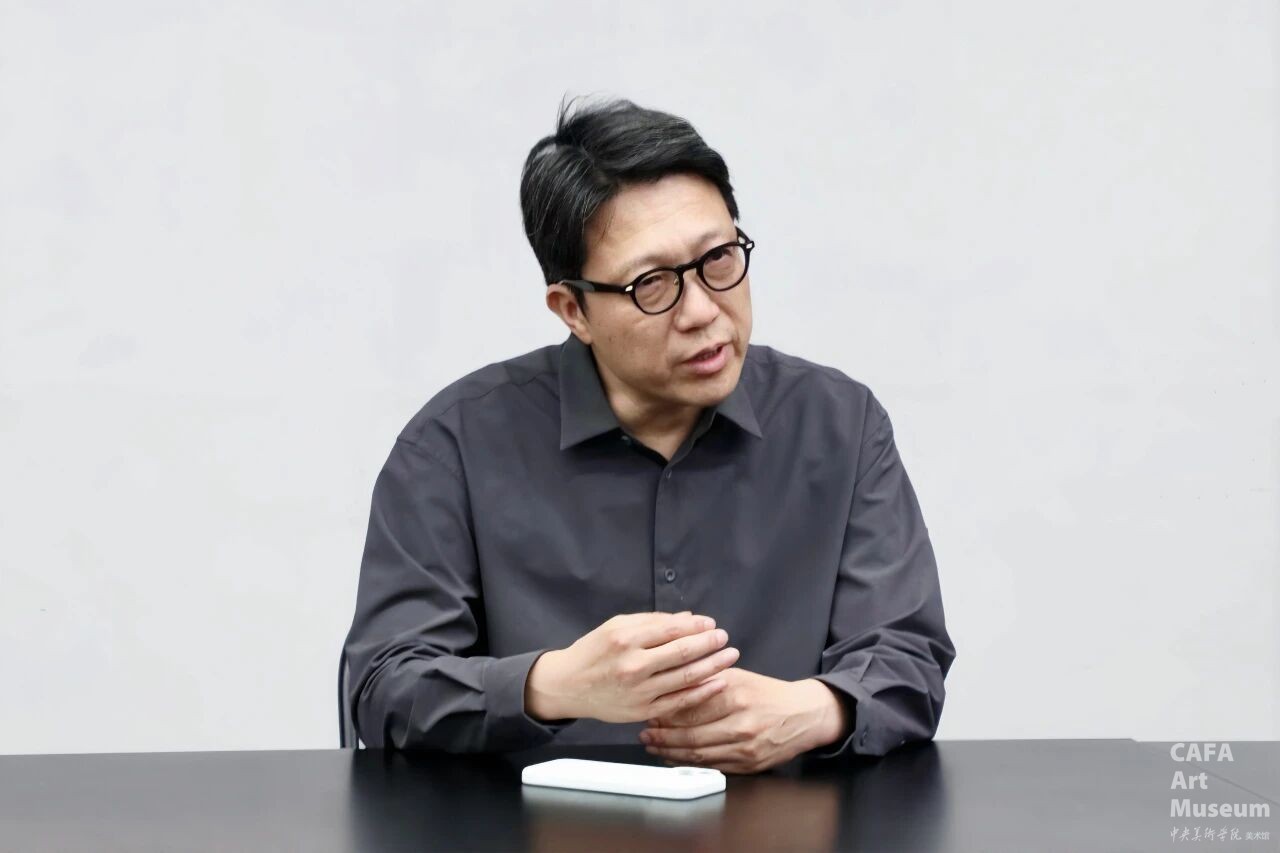
Speech by Jin Jun, Director of the CAFA Art Museum
In his speech, Jin Jun, Director of the CAFA Art Museum, stated that as one of China’s key national art museums, the CAFA Art Museum is actively responding to the overall arrangements of the Ministry of Culture and Tourism concerning the design, research and development, operation and communication of cultural and creative products. Cultural and creative merchandise serves not only as a vital carrier for disseminating artistic content featured in exhibitions, but also as a core channel linking the museum with the public and expanding the breadth and depth of art communication. At present, new cultural and creative products and museum gift shops of CAFA Art Museum are being launched one after another, fostering sound connections with visitors and the wider community. He expressed the hope to jointly explore future development trends in this field together with all participants of the training program.
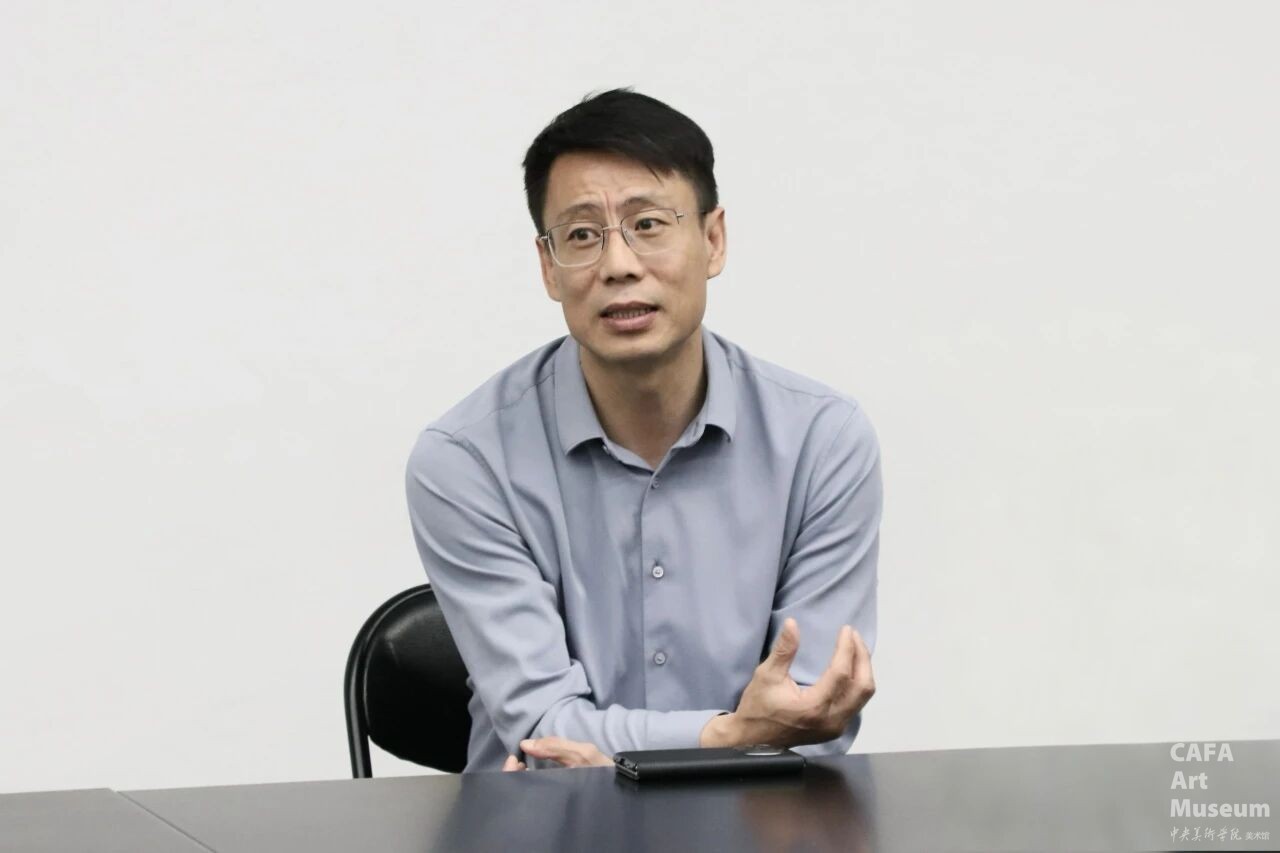
Han Wenchao, Secretary of the Directly Affiliated Party Branch of the CAFA Art Museum, delivered a speech
Han Wenchao, Secretary of the Directly Affiliated Party Branch of the CAFA Art Museum, extended a warm welcome to participants traveling from afar. He noted that the art museum acts as a window linking the academy to society. The annual Graduation Season event launched by the museum in recent years has grown into a highly popular cultural phenomenon in Beijing. This training program constitutes a key component of CAFA’s resumed non-degree education. Upon completing the courses, participants will forge a bond with the Central Academy of Fine Arts and be recognized as "alumni" of the Art Museum. He expressed his wish that this program will serve as a starting point for long-term exchanges and collaboration among all parties.
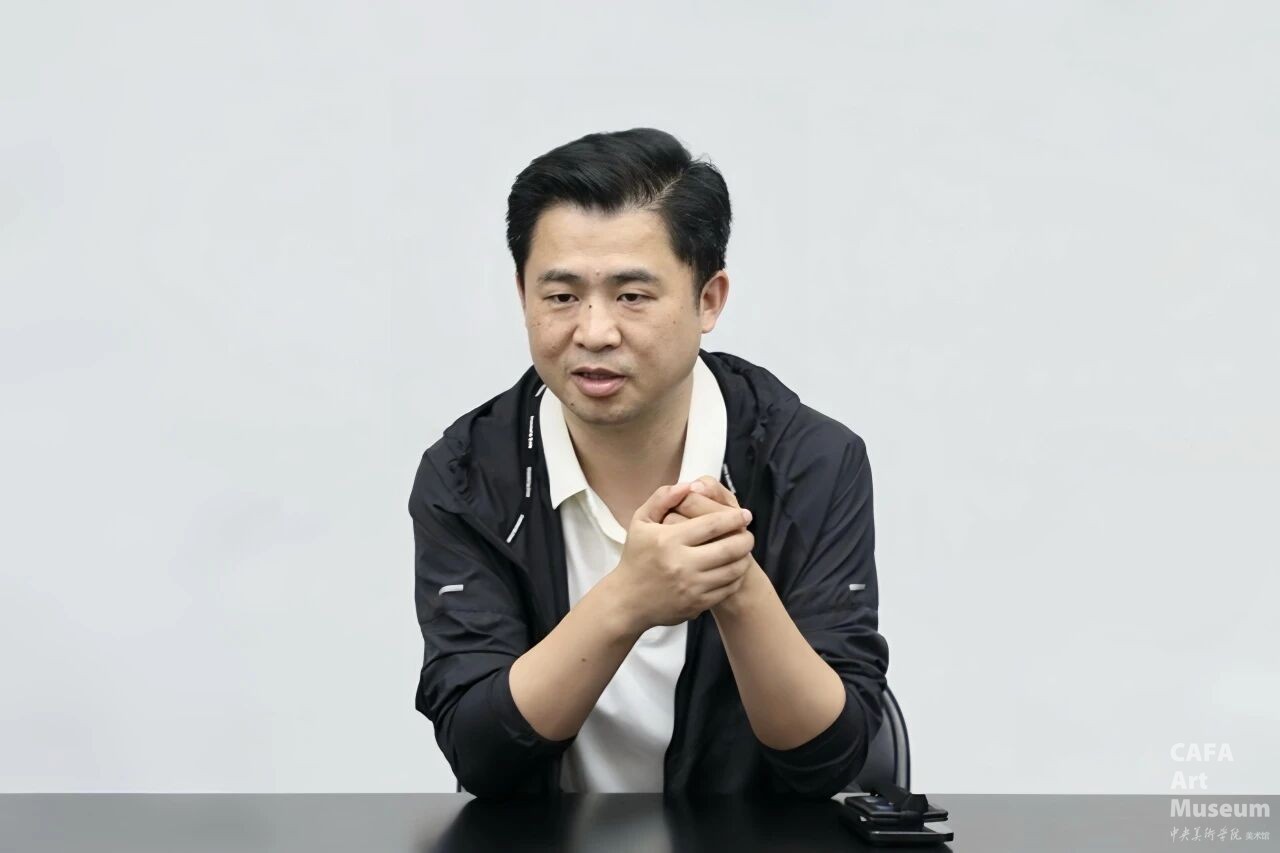
Speech by Haijun, Deputy Director of the CAFA Art Museum
Haijun, Deputy Curator of CAFA Art Museum, elaborated on the curriculum design philosophy. Given that almost all participants are senior professionals in the cultural and creative industry with experience leading or taking part in cultural and creative projects, the training program centers on cultural design and prioritizes sharing and exchange. It aims to inspire participants to build systematic frameworks by examining the development of the entire industry ecosystem, rather than focusing on training for specific research topics. In terms of instructors, apart from multiple professors from the Academy of Fine Arts, representatives from benchmark cultural and creative institutions including the National Museum of China and the Palace Museum, as well as frontline creators of AIGC cultural innovation, have been specially invited to deliver lectures. The program strives to integrate perspectives from three sectors: cultural institutions, industry players and universities, enabling participants to learn from one another and make progress together within the professional framework of cultural and creative IP design, operation and management. The CAFA Art Museum also hopes to continuously advance aesthetic education and social services through this training program, expand its collaborative network, and pursue coordinated development alongside all partners.
╪Part .02
Visit the School History Museum
Explore the Graduation Exhibition
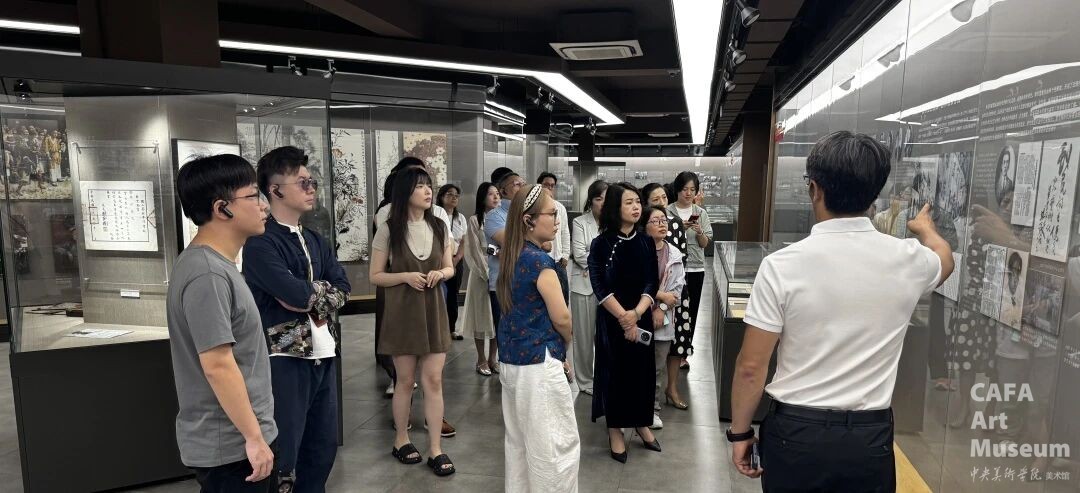
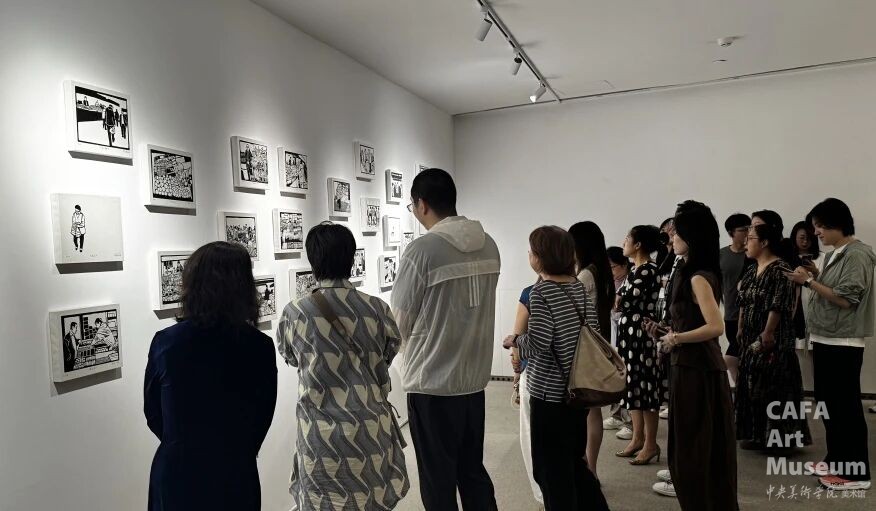
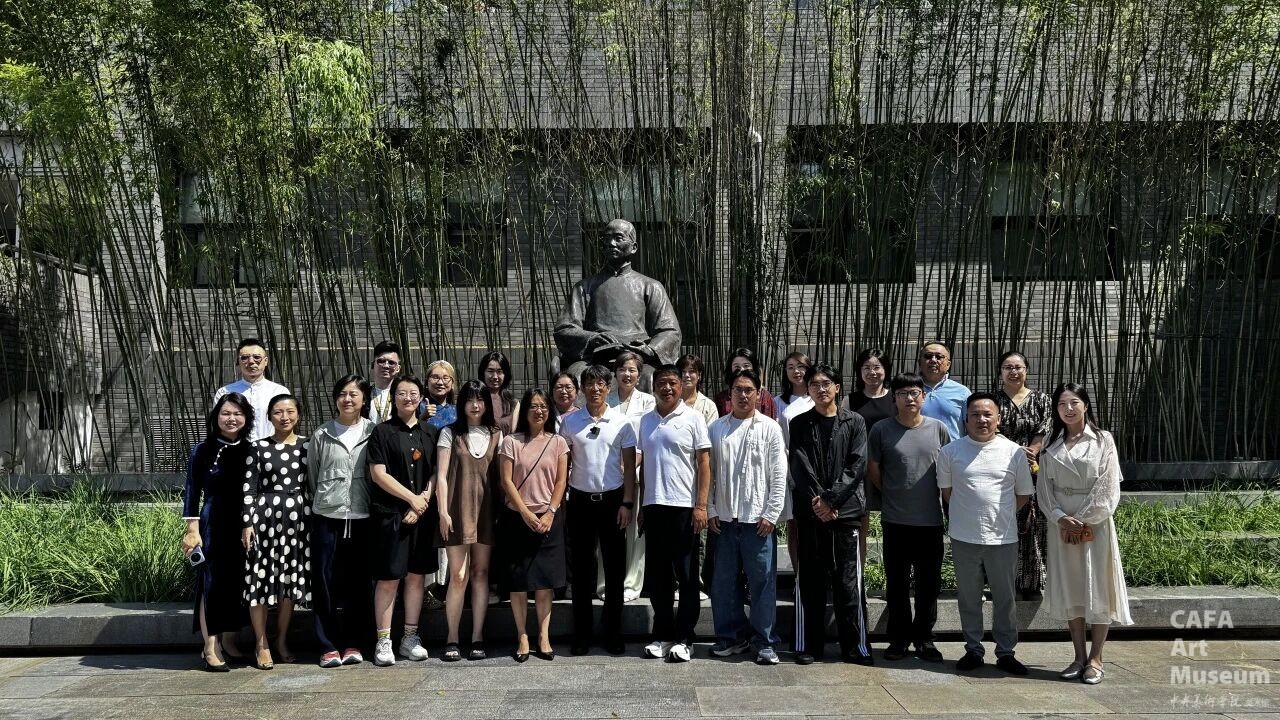
Following the opening ceremony, led by Teacher Wang Jun from the Public Education Department of the Art Museum, all participants visited the School History Museum of the Central Academy of Fine Arts and the ongoing Graduation Season Exhibition, getting an up-close look at the creations and vibrant vitality of young CAFA students.
╪Part .03
From Collections to Daily Life
Sharing Practices of Cultural & Creative Development
Teacher Liao Fei delivered a lecture themed From Collections to Daily Life: Blockbuster Creation and Exhibition-Integrated Creative Practices of the National Museum of China. He systematically introduced the development system and development model of cultural and creative products at the National Museum of China. Combining case studies including the phoenix crown fridge magnet, the special exhibition of Li Jingxun’s relics, the Year of the Horse zodiac exhibition, and the overseas exhibition of ancient Greek artifacts, the course thoroughly analyzed the innovative approach of "integrating exhibitions and cultural creation" as well as the market-oriented operation logic adopted by the National Museum of China. He also shared successful experience in revitalizing cultural relics, spreading culture, and deeply integrating cultural heritage into people’s daily lives.
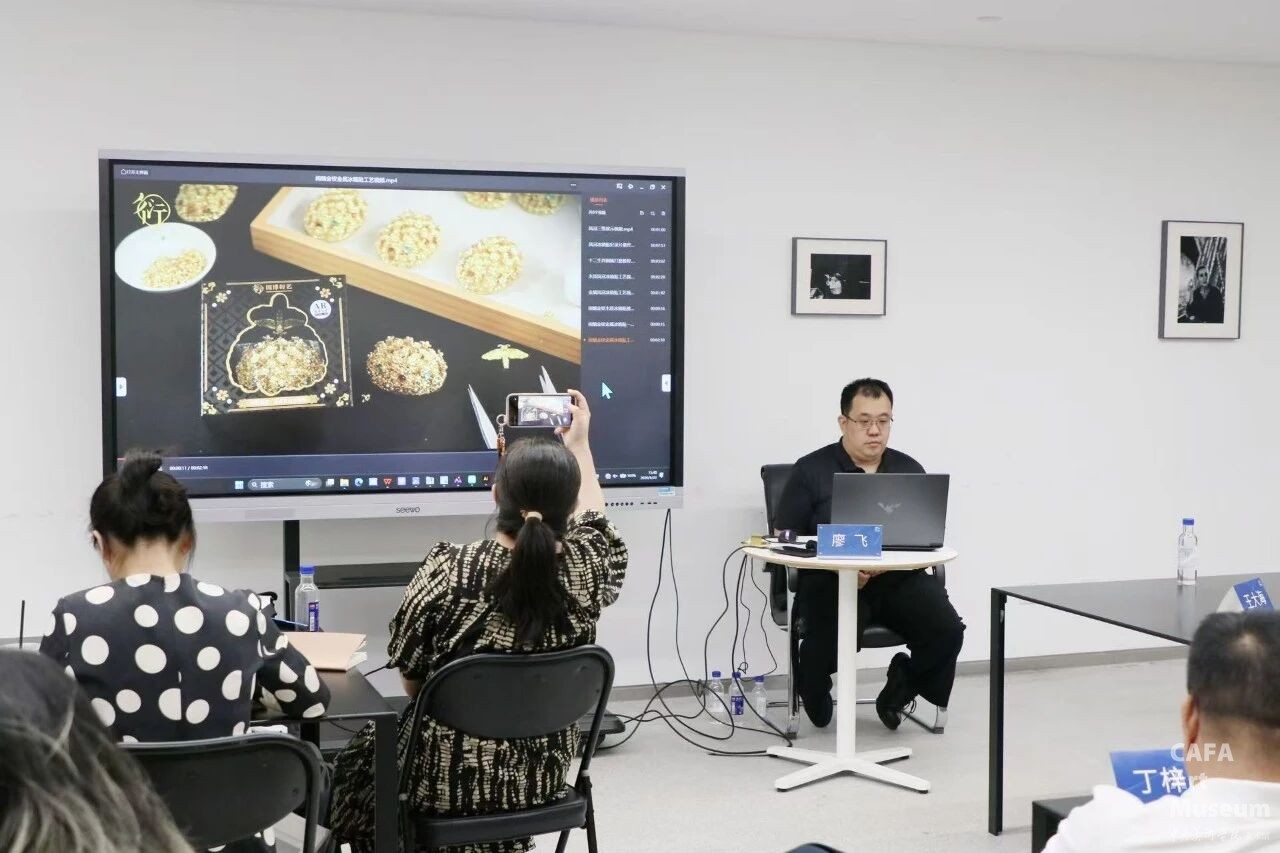
Scene of the Lecture Delivered by Liao Fei, General Manager of National Museum of China (Beijing) Cultural Industry Development Co., Ltd
Teacher Tie Zheng illustrated cases of cultural and creative development from the Winter Olympics and the Palace Museum, elaborating on the selection of cultural and creative IPs, development routes and models, as well as diversified cultural communication approaches. He analyzed how to integrate historical and cultural elements into modern life so as to inherit and promote China’s fine traditional culture.
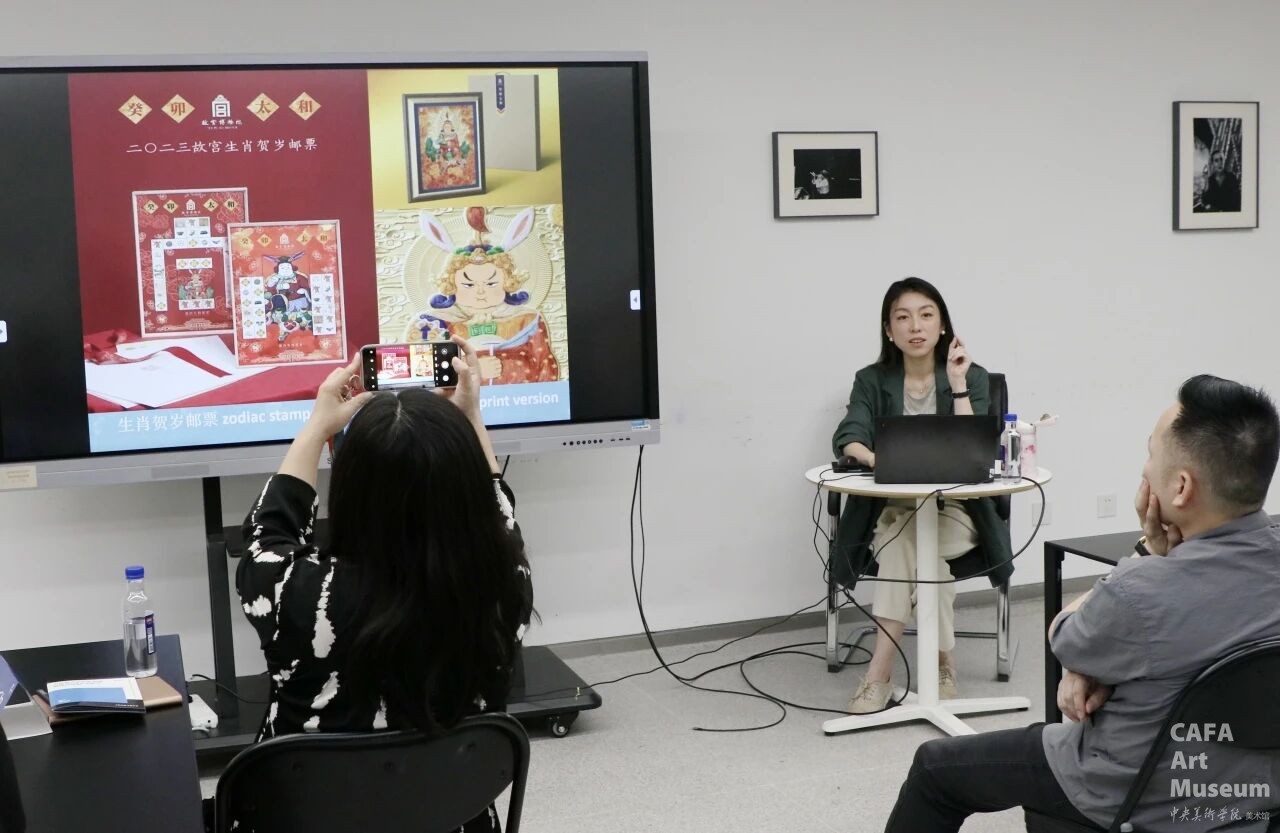
Scene of the Lecture by Tie Zheng, Associate Research Librarian, Cultural and Creative Industry Department, the Palace Museum
╪Part .04
Short-term Immersion
Long-term Empowerment
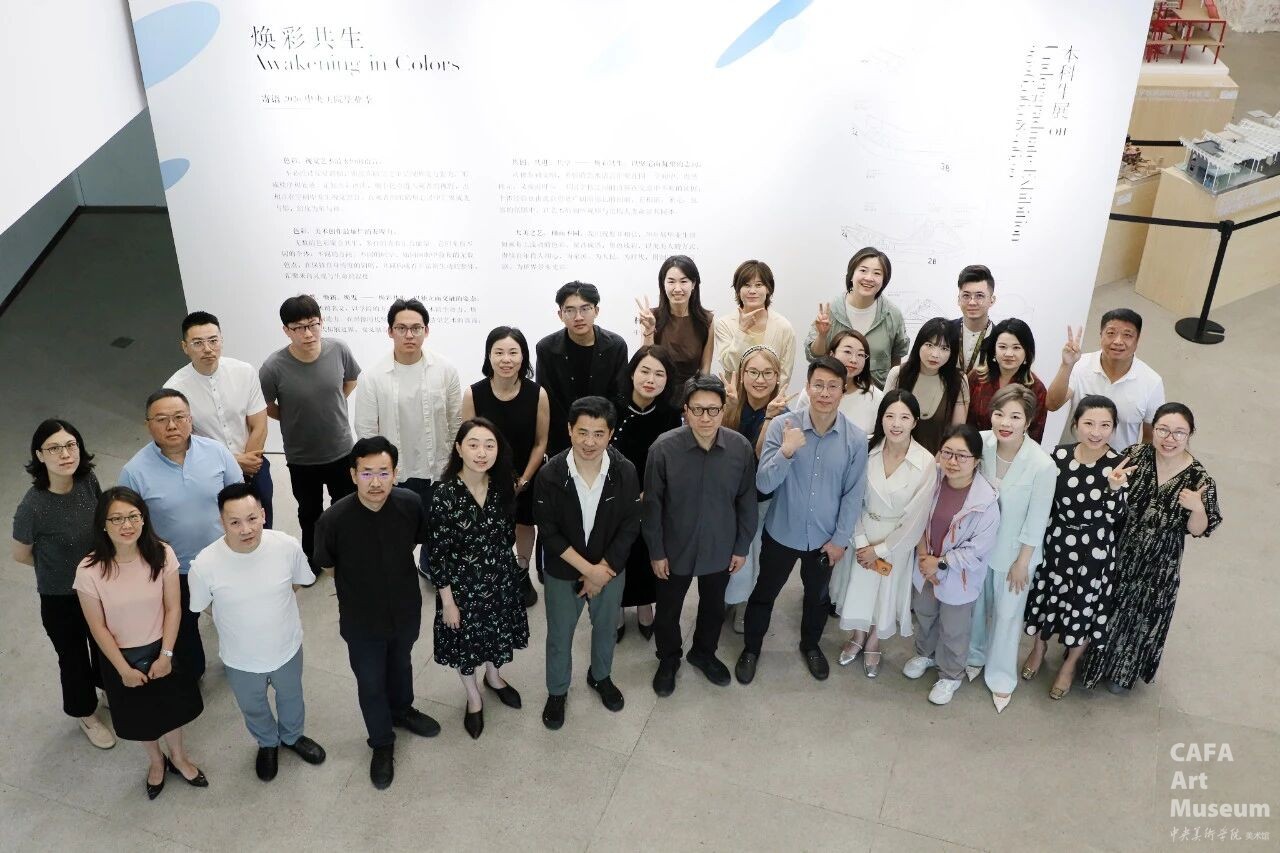
Cultural and creative IP links artworks with everyday life, and more importantly, acts as a bridge facilitating communication between art museums and society. The launch of the inaugural training program represents a new undertaking by CAFA Art Museum in the fields of non-degree education and public services, as well as a proactive response to the national cultural innovation strategy. Going forward, drawing on the Academy’s century-old academic legacy and the museum’s experience and platform strengths in exhibitions, collection management, academic research and cultural and creative development, the museum will keep focusing on the full industrial chain of cultural and creative development, namely "cultural origin research — creative design — IP development — technical application — cross-border operation — commercial implementation". It is dedicated to cultivating interdisciplinary cultural and creative talents with Chinese characteristics who integrate superior artistic aesthetics, sophisticated IP planning capabilities and profound commercial operation competence.
Century-long Cultural Lineage,Cultivate Minds via Art
Convey Truth via Civilization,Disseminate Vision via Creation
Editor-in-Chief: He Yisha
Editor: Du Yinzhu