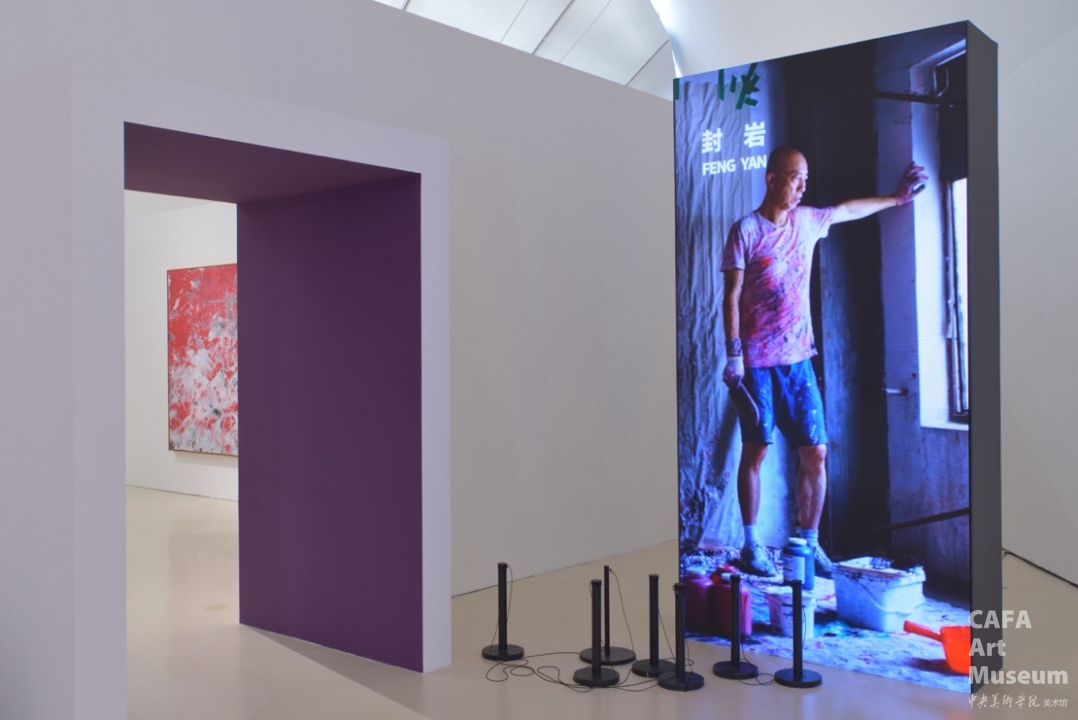
Feng Yan’s paintings do not stem from evolution within the painterly tradition; instead, they represent a “photographic translation” rooted in film‑based photography and realized through the medium of painting. Here, photography is understood not as a visual style, but as an image‑generating mechanism consisting of negatives, chemical development and inversion structures. Images are not completed instantaneously, but emerge gradually under the interplay of material conditions and time. Against the contemporary context of highly instantaneous, algorithm‑driven image‑making, this imaging mechanism built upon physical processes and irreversible time regains its critical force, enabling images to maintain a trace‑based relationship with reality grounded in what has actually taken place.
Following this logic, Feng Yan’s acrylic paintings bring the principle of photographic development onto the canvas. With water, gravity and paint as generative conditions, the artist consciously cedes absolute control over the picture, allowing images to take shape through the interplay of human manipulation and physical laws. This is not a negation of form, but an emphasis on how images come‑into‑being: images do not submit entirely to intention; instead, they gradually materialize amid time, contingency and the behaviour of materials. The reversed whites, reserved voids and light‑dark inversions across the composition echo the inverted structure of photographic negatives, steering painting away from stable positive representation toward a visual condition shaped by the process of development.
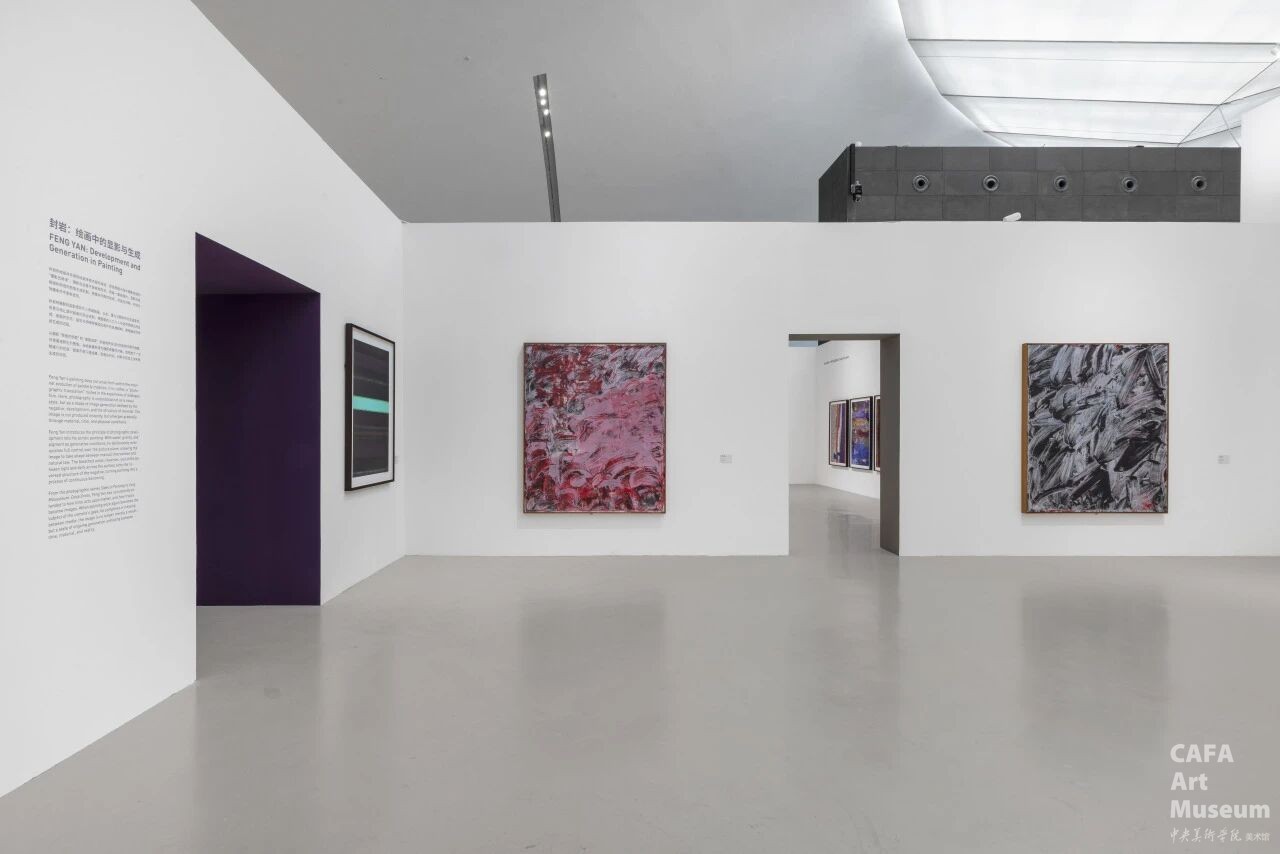
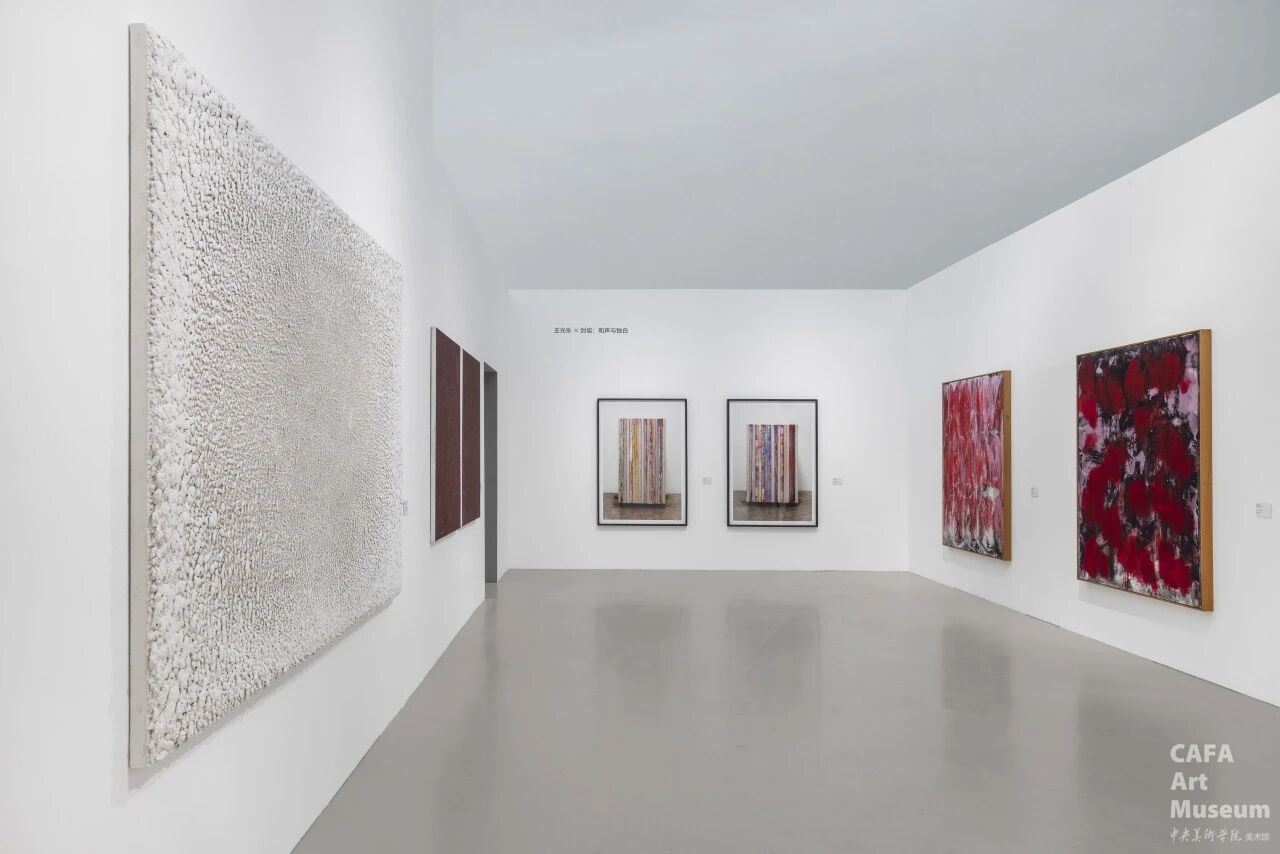
Before turning to painting, Feng Yan spent years photographing painting‑related scenes inside his studio: the side profiles of canvases, paint streaming along edges, splatters on walls, and wood blocks on the floor. This body of photographs, titled Sides of Painting, establishes a mode of seeing centred on edges, traces and processes of becoming. Rather than taking frontal imagery as its point of departure, painting is approached from how materials leave imprints upon surfaces. Photography here serves no reproductive function; instead, it captures states of generation.
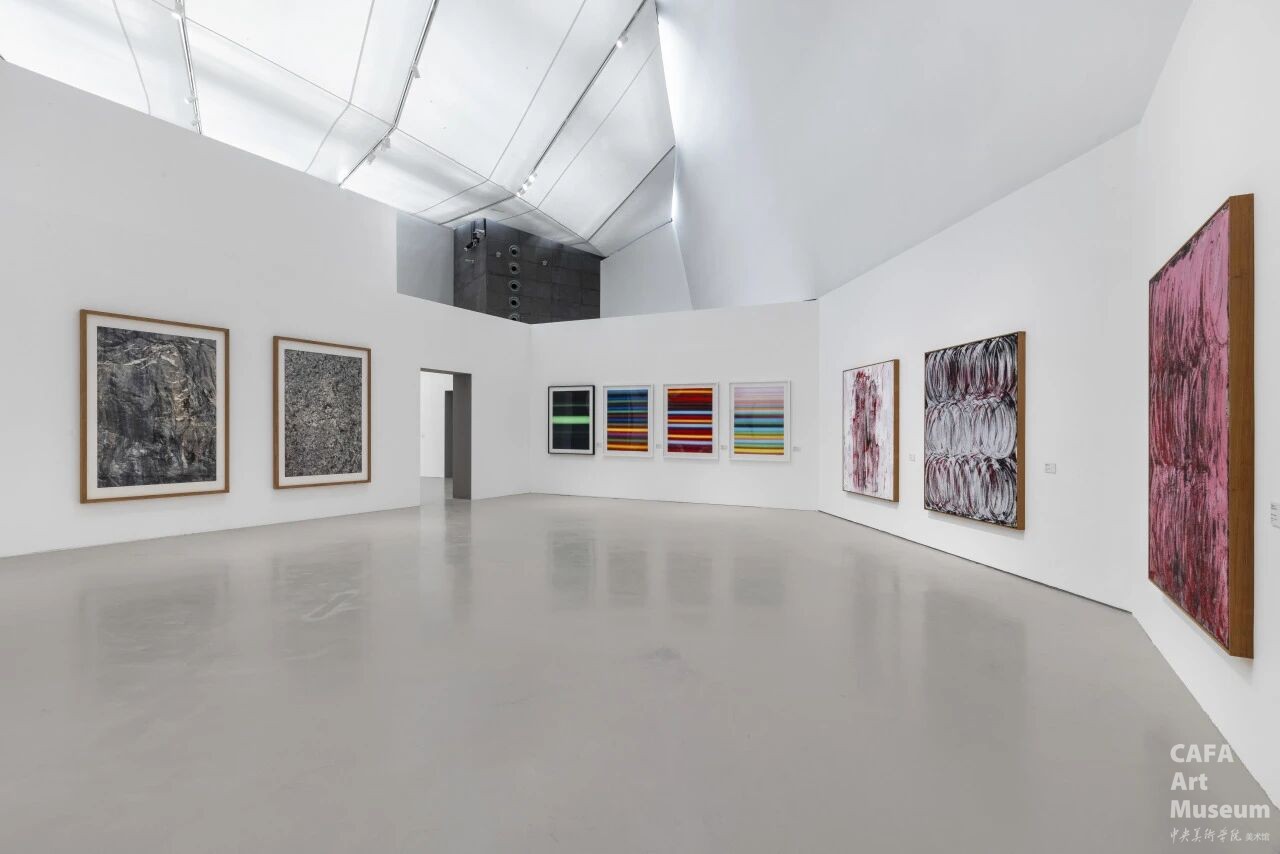
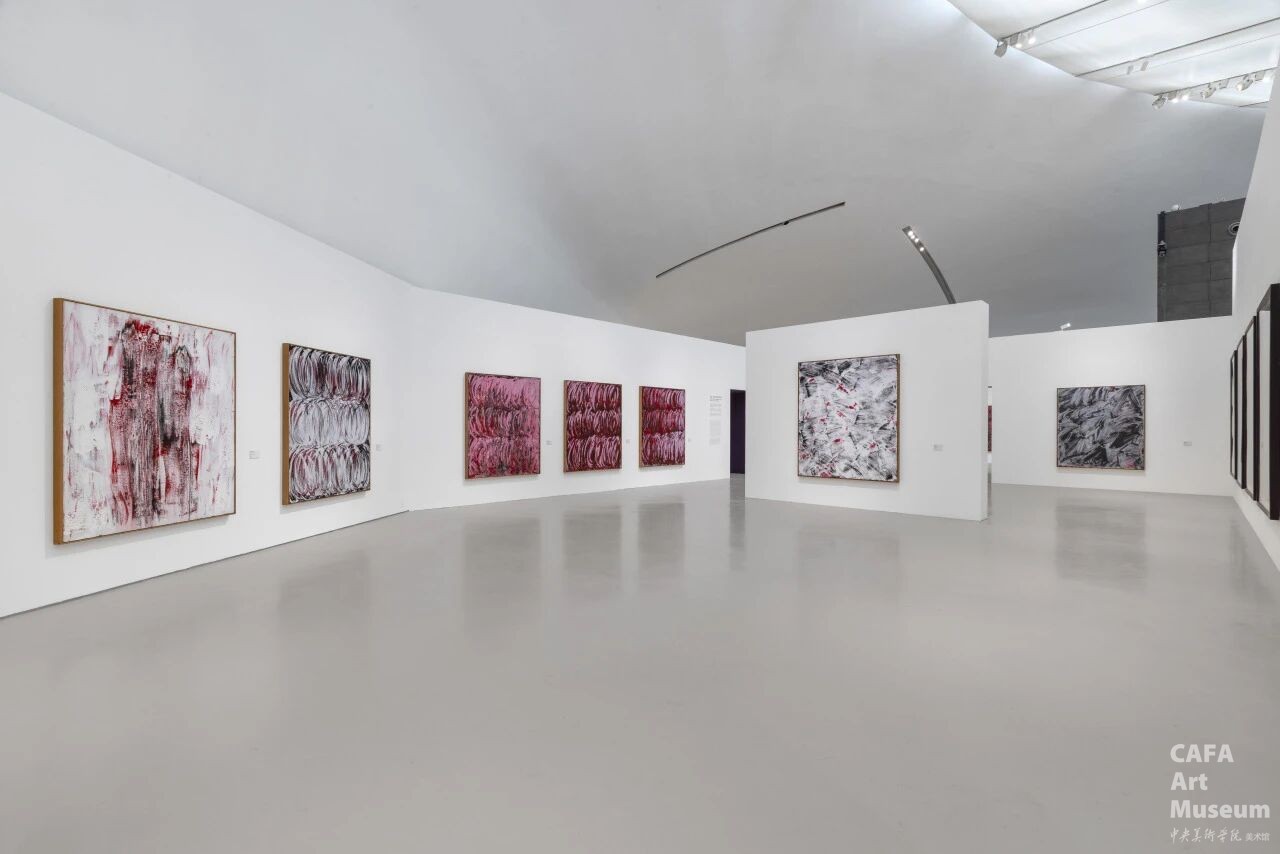
Through this approach, painting is situated within a time‑spanning genealogy of images: it resonates both with the layered, repeatedly erased inscriptions on contemporary urban walls, and structurally and texturally echoes ancient cave murals whose visual identities are shaped by long‑term erosion and weathering. These paintings exhibit dual visual affinities: on the one hand, they relate to transient, effaceable acts of marking; on the other, they point to structural configurations slowly formed over time.
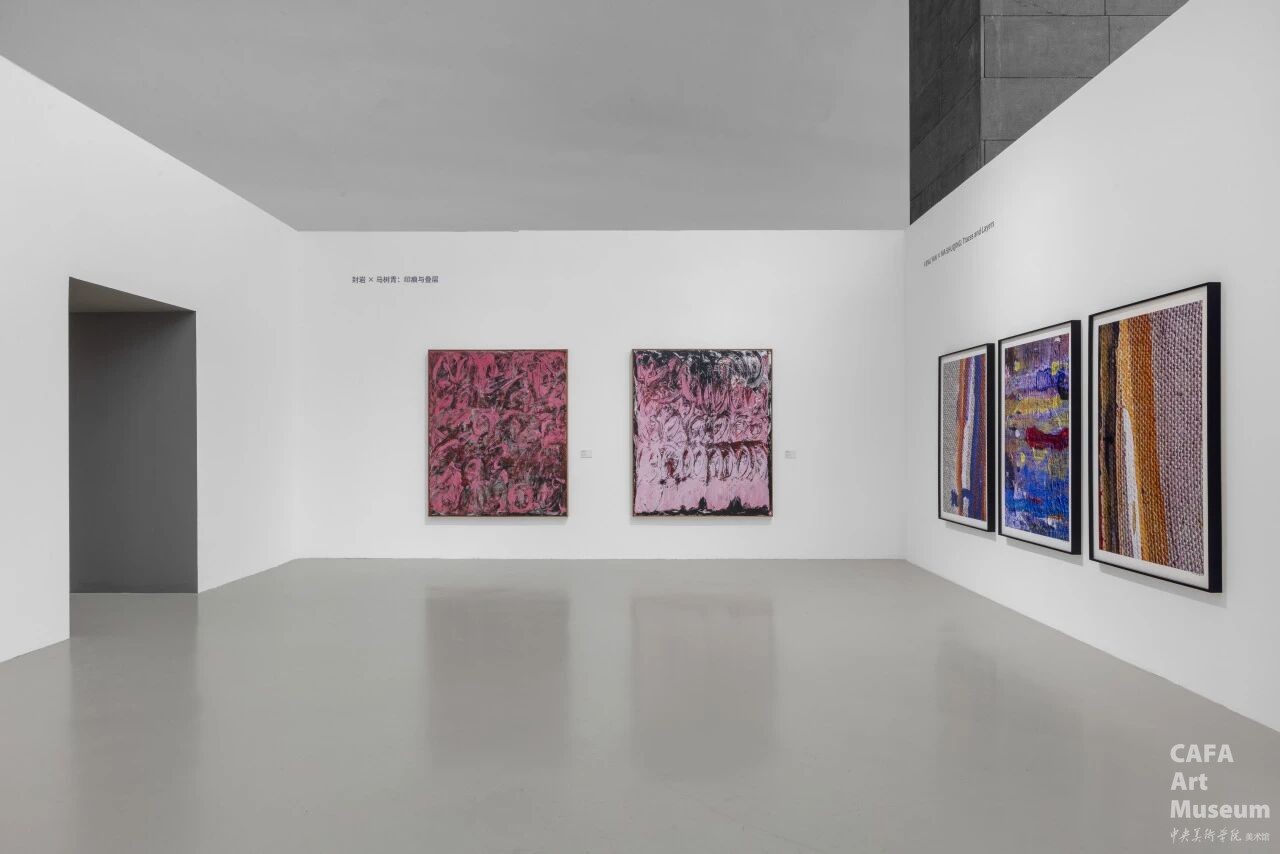
This approach also carries over into Feng Yan’s photographic series Deep Grass of the Tang Mausoleums. In this body of work, history is perceived not through monumental grand imagery, but experienced through spreading vegetation, surface erosion, and the deferral of visibility. In the back‑and‑forth between photography and painting, the image no longer exists as an end‑product; it is understood instead as a process that unfolds over time, emerges belatedly, and may recede once more. As his painting practice matured, Feng Yan returned once again to photograph the side profiles of canvases and material textures, turning painting itself into the subject of photography and forming a cross‑media cycle.
About the Artist
————————————
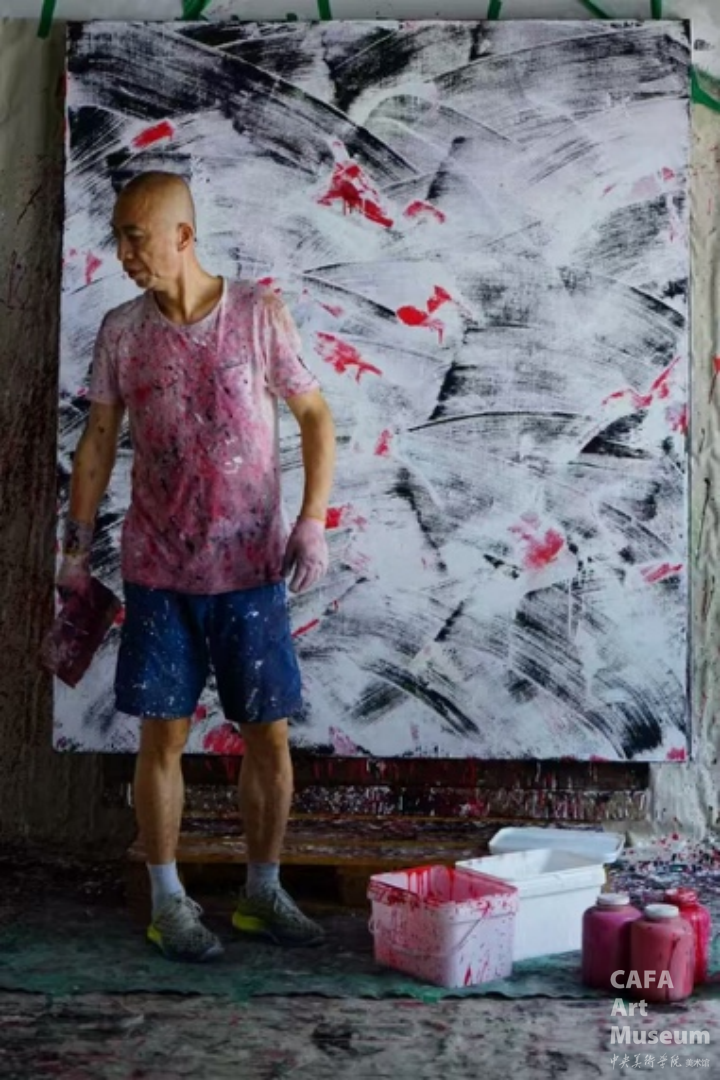
Feng Yan was born in Xi’an. He graduated from the Department of Photography, Beijing Film Academy in 1989 and currently lives in New York and Beijing. His solo exhibitions have been held at institutions including Suzhou Museum, Tang Contemporary Art, Shanghai Hushan Gallery, Three Shadows Photography Art Centre, and Courtyard Gallery Beijing. His works have been featured in group exhibitions at FOAM Photography Museum (the Netherlands), M+ Museum, Die Neue Sammlung – The Design Museum (Germany), BMW Foundation (Germany), White Rabbit Gallery (Australia), Spencer Museum of Art (USA), The University of Queensland Art Museum (Australia), Monash Museum of Art (Australia), Musée d’Art Moderne de la Ville de Paris, Power Station of Art (Shanghai), OCAT Shenzhen, Minsheng Art Museum Shanghai, Shanghai Centre of Photography, Guangdong Museum of Art, CAFA Art Museum, Tianmuli Art Museum, and HOW Art Museum. His novels The Bounce‑back Sound of Seats was published by Guangxi Normal University Press, and Bedroom by Shaanxi Normal University Press. He has also written numerous novellas and full‑length fictions, including Zhongnan Mountain and Giant Wild Goose Pagoda.
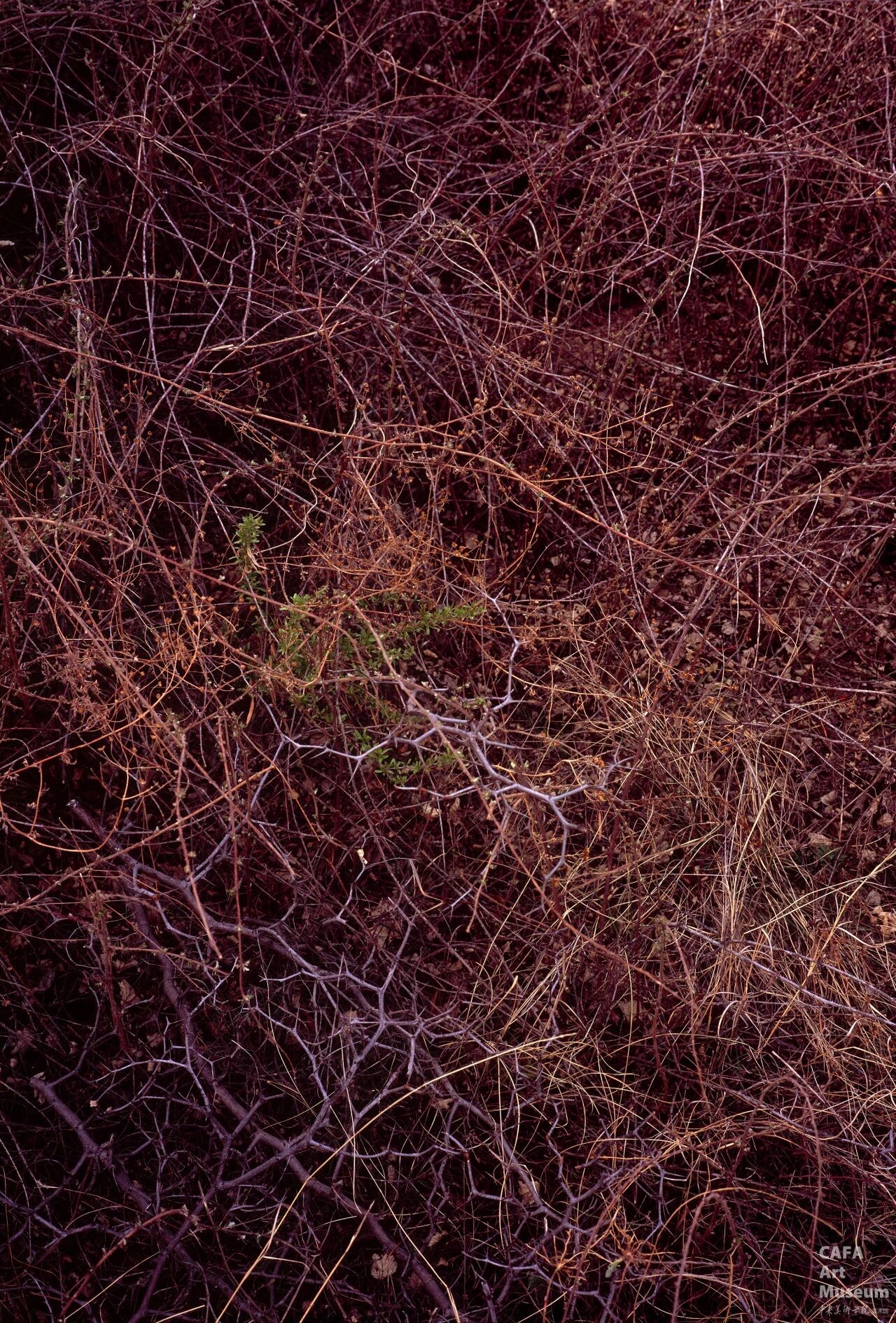
Deep Grass of the Tang Mausoleums 02
Archival Pigment Print
201 × 134 cm
2018
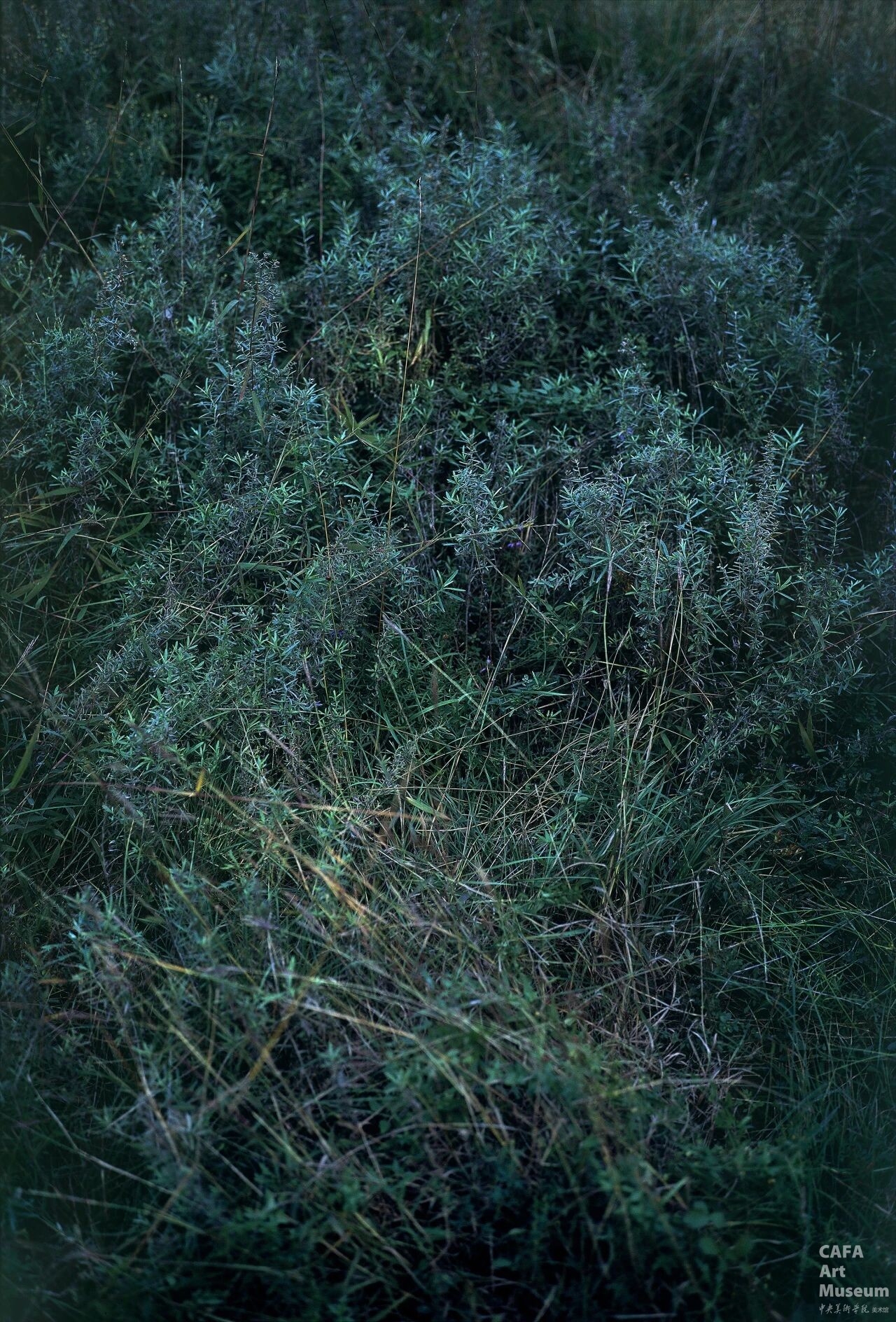
Deep Grass of the Tang Mausoleums 12
Archival Pigment Print
201 × 134 cm
2018
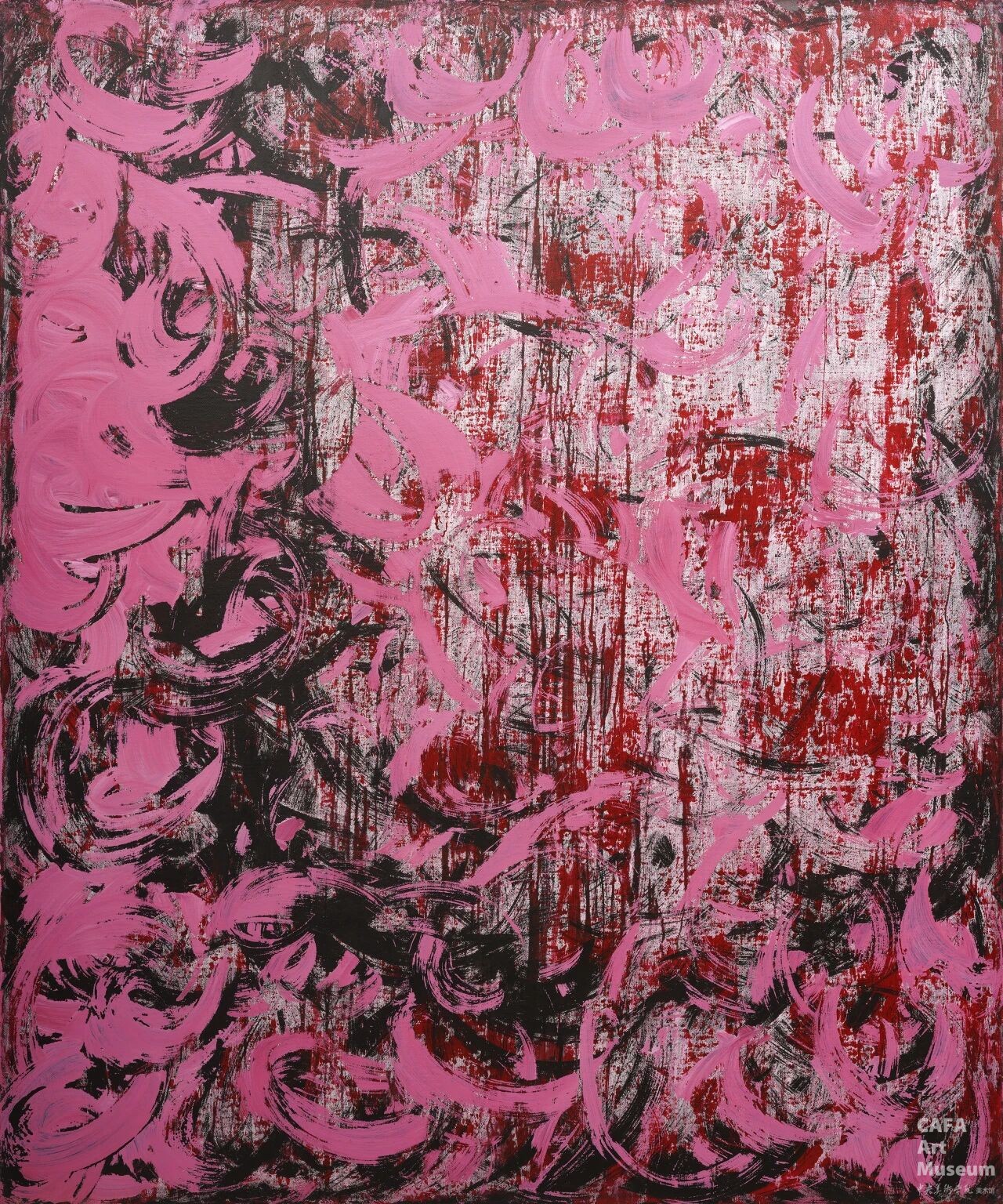
Untitled 8513
Acrylic on Canvas
180 × 150 cm
2016
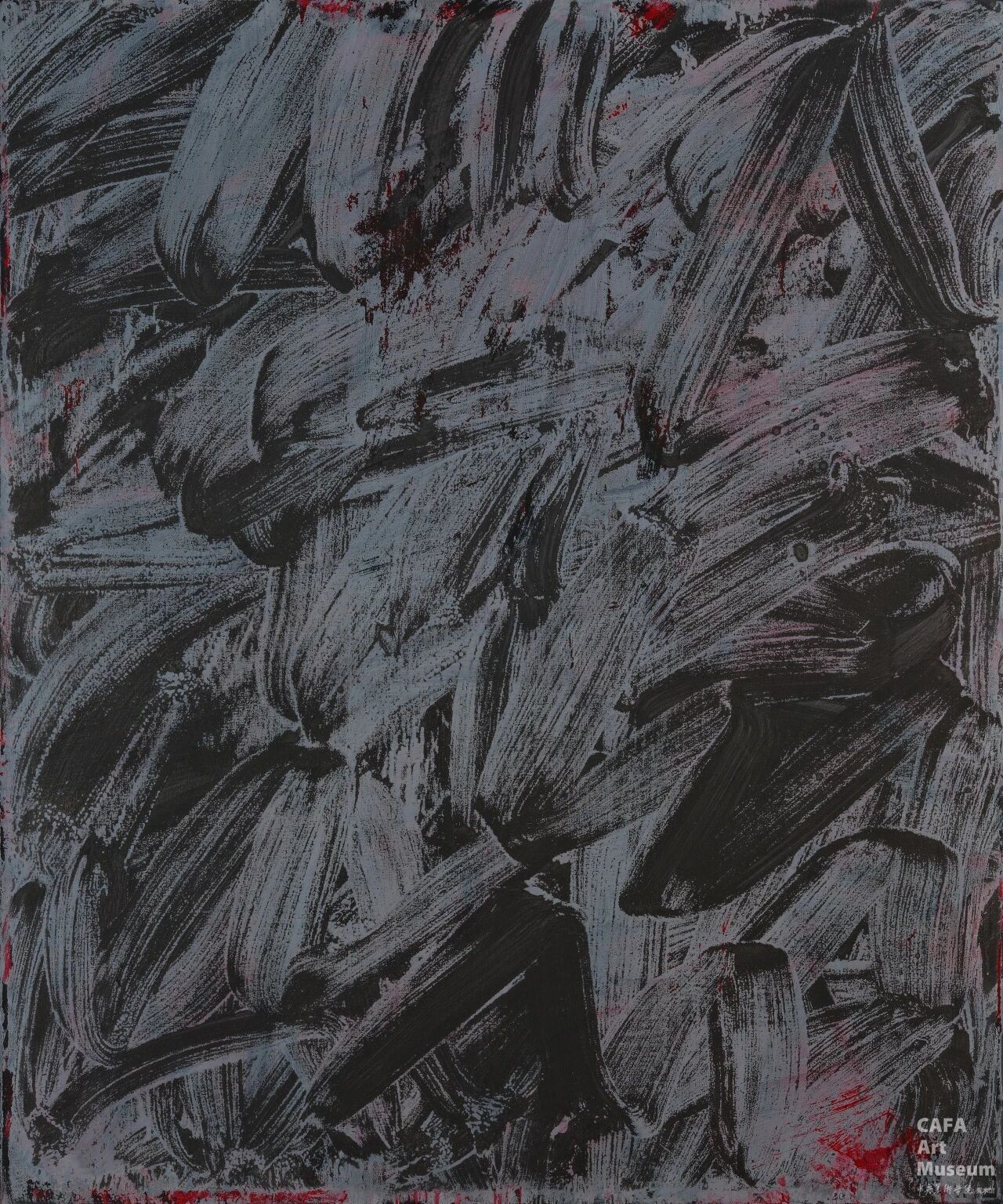
Untitled 8625
Acrylic on Canvas
180 × 150 cm
2015
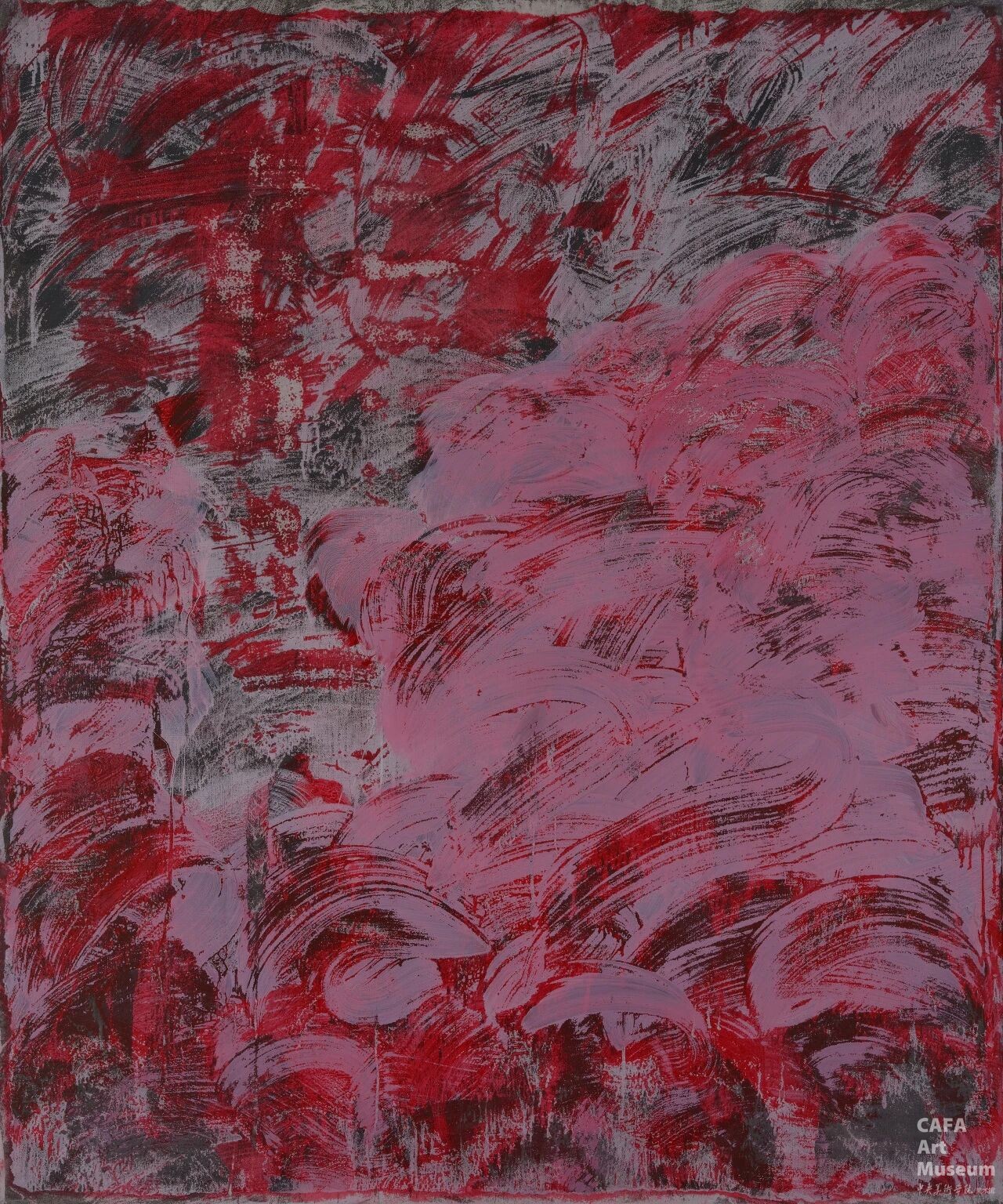
Untitled 8704
Acrylic on Canvas
180 × 150 cm
2016
Artist’s Statement
————————————
“To me, the existence of matter is surely a miracle, yet it is still not enough to attest to the wonder of all‑being…”
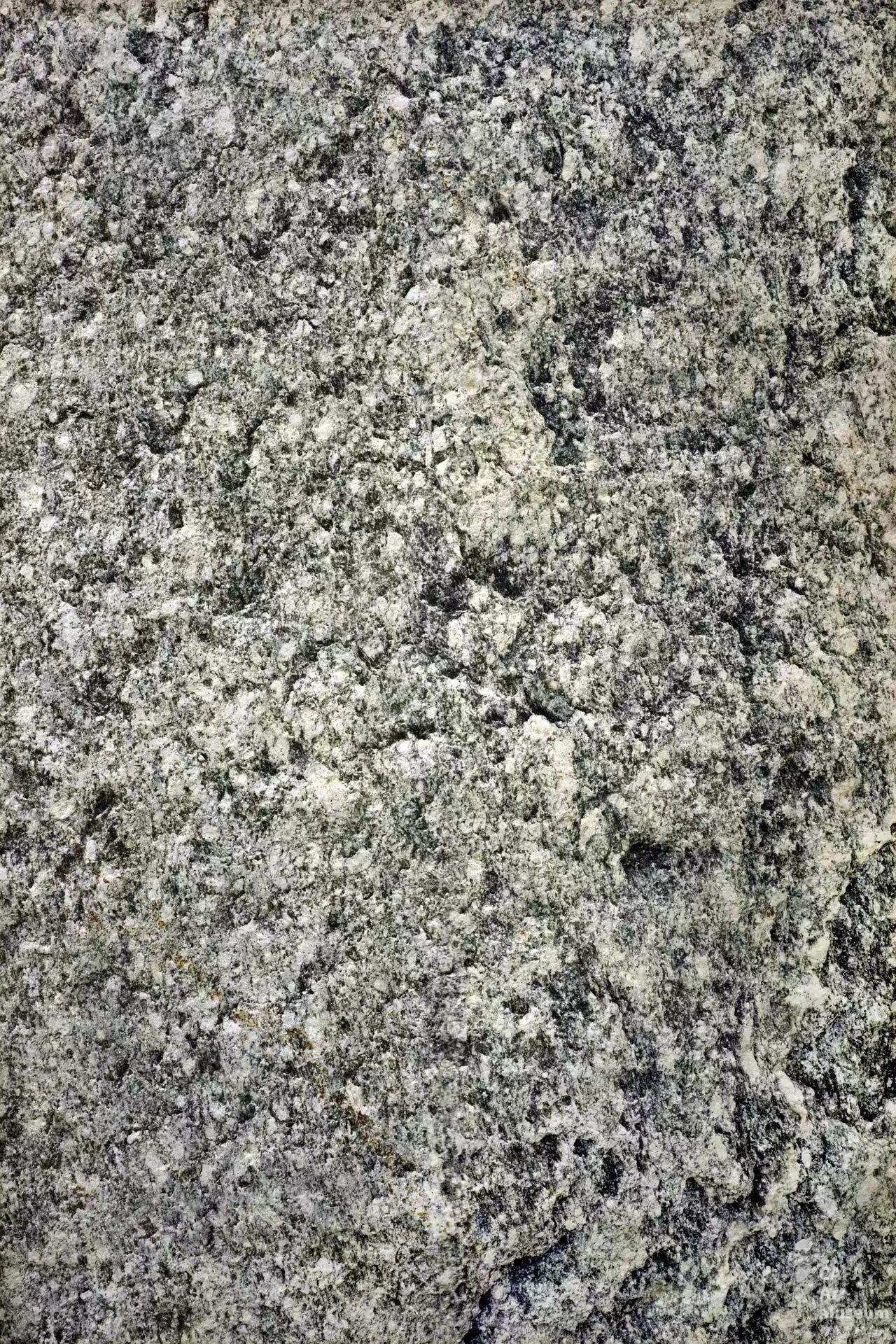
Zhongnan Mountain Stones 03
Archival Pigment Print
180 × 120 cm
2011
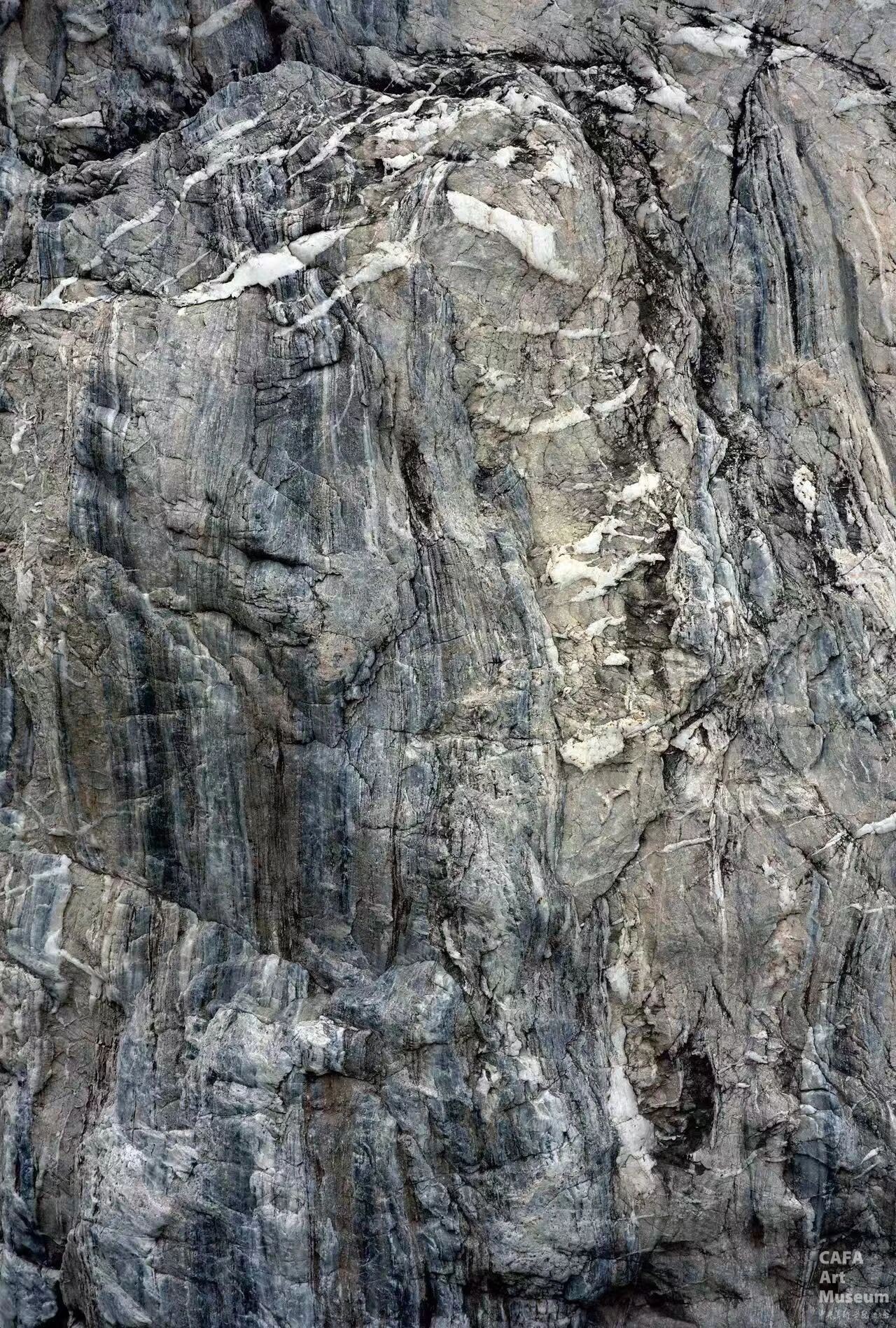
Zhongnan Mountain Stones 04
Archival Pigment Print
180 × 120 cm
2011
“My practice consistently revolves around ‘seeing’. Whether in photography, painting or literature, what I concern myself with is not the superficial forms of things, but the traces of time, psychological states and sense of being concealed beneath everyday experience.”
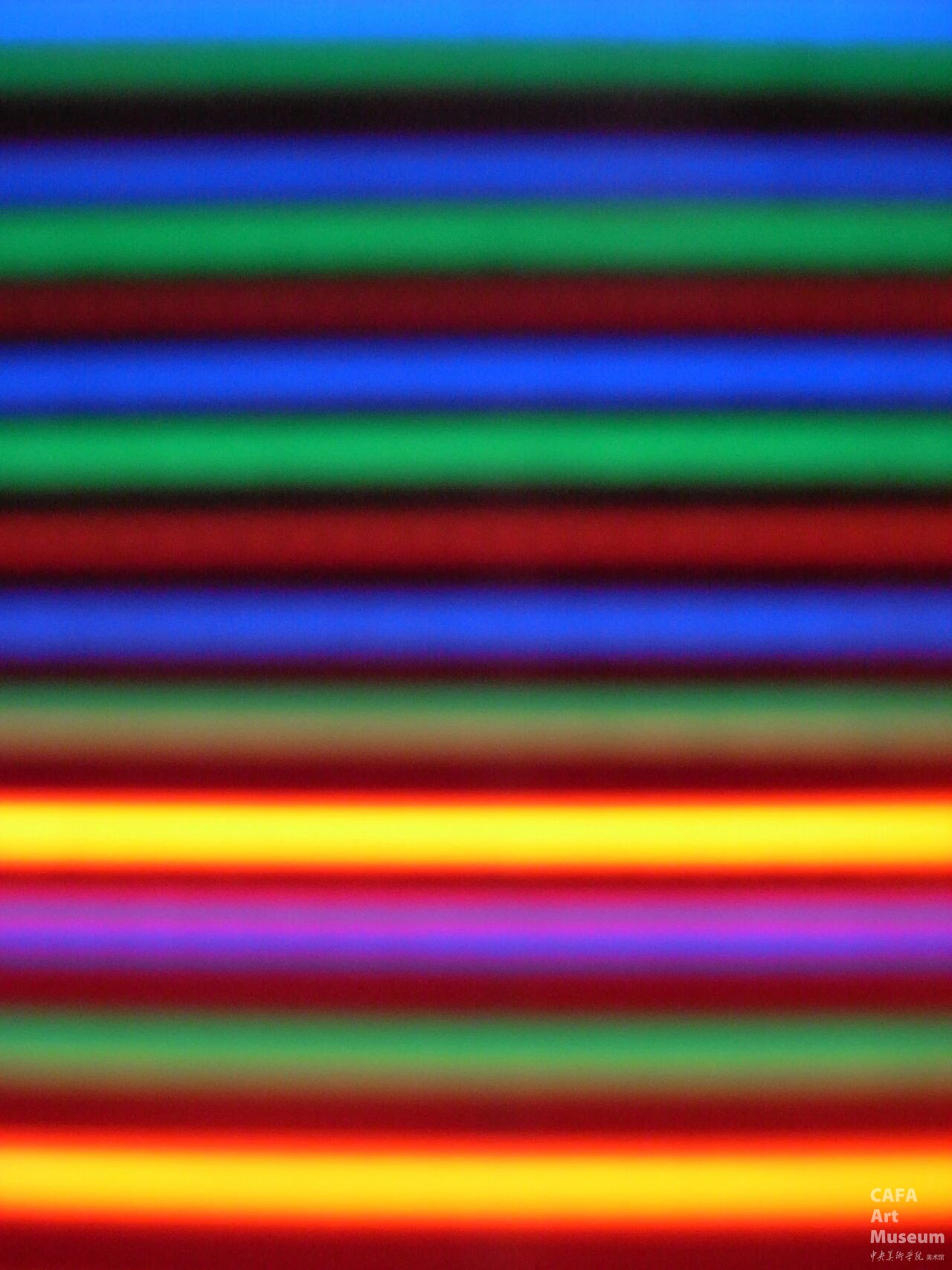
Psychedelic Bamboo 04
Archival Pigment Print
120 × 90 cm
2009
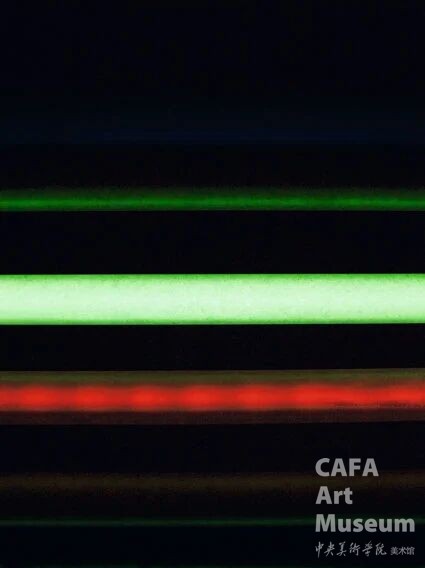
Psychedelic Bamboo 02
Archival Pigment Print
120 × 90 cm
2009
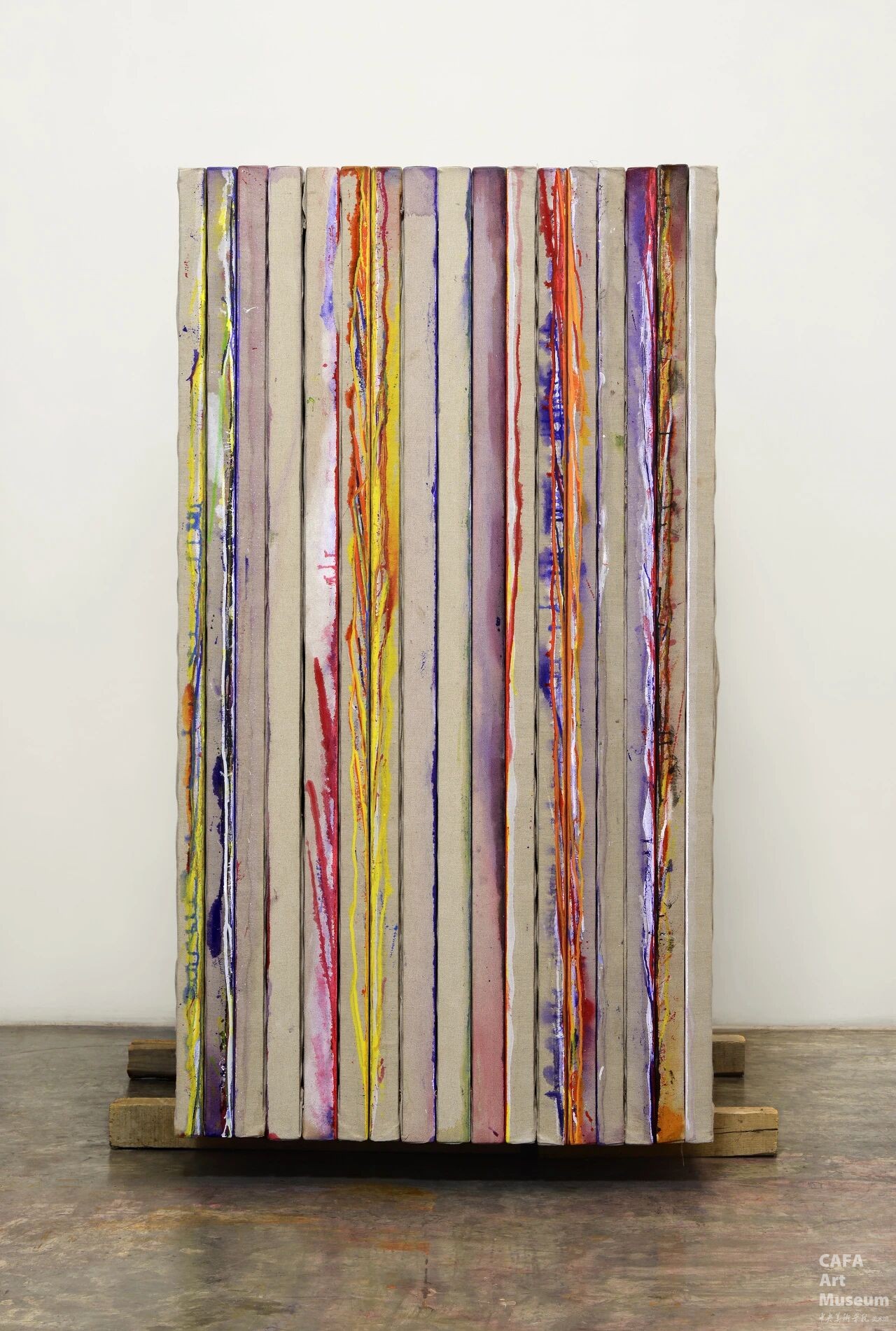
Painting 02
Archival Pigment Print
148 × 98 cm
2014
“Art is not a replication of reality, but a way of re‑perceiving it. Through continuous exploration of space, memory and individual experience, I hope to bring forth what ordinarily remains invisible.”
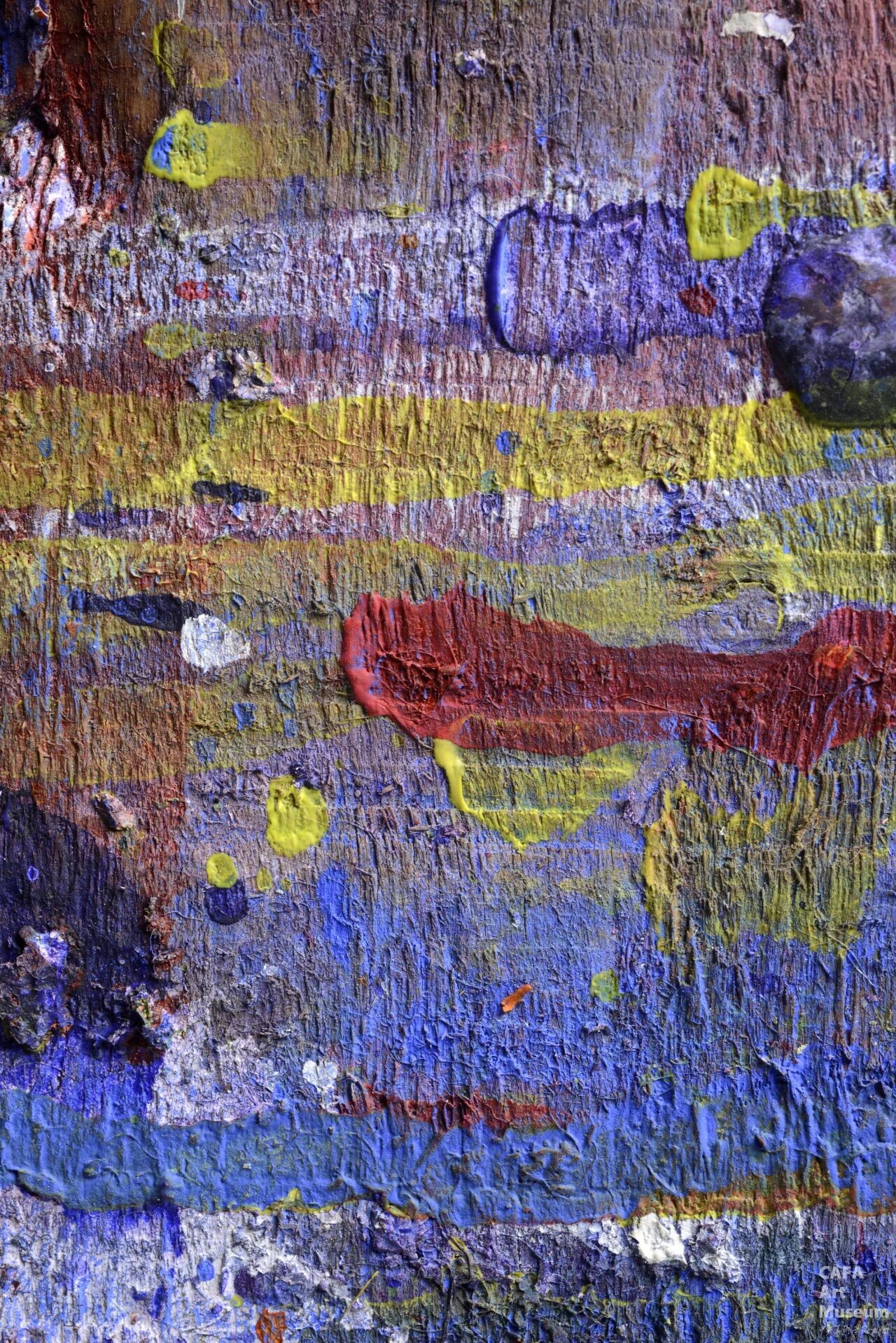
垫画的木块 04
收藏级艺术微喷
140×93cm
2014
“我试图通过不同媒介,寻找现实中那些被忽略、被遗忘或正在消逝的部分,并在观看与表达之间建立一种关系。”
主编 / 何一沙
责编 / 杜隐珠